
Lieferung heute & morgen

Qualitätsgarantie

Willkommens-Angebote freischalten: KOSTENLOSE Lieferung | Bis zu 80 % RABATT | Kostenlose 30-Tage-JoyPlus-Testphase
App herunterladen
The search for the ideal lightweight moisturiser can often feel like a compromise: either the formula is too rich, leaving behind an unwanted shine, or it's so light that the feeling of dryness and tightness returns shortly after. This is a common problem, especially for those with oily, combination, or blemish-prone skin. The market is flooded with products promising quick fixes, but not every formulation delivers on its promise. Before you make a decision, it's helpful to understand the most common pitfalls.
To make an informed decision based on your skin's needs, you should consider three core parameters. These will help you objectively evaluate product claims.
The texture of a moisturiser is largely determined by its base. This property dictates how the product feels on the skin and how it absorbs.
Instead of being swayed by a single ingredient, look for a combination that suits your skin condition.
Labels like "alcohol-free," "fragrance-free," or "non-comedogenic" provide important clues about a product's tolerability.
Based on the criteria mentioned, we have identified several products that are well-suited for different requirement profiles.
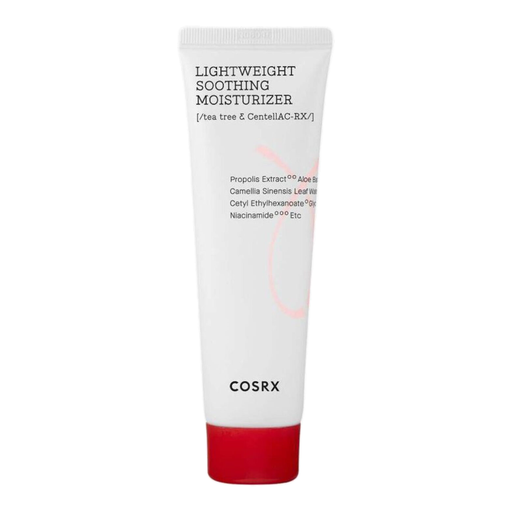
Why This Fits Their Persona: This moisturiser was developed for individuals whose skin reacts to rich textures with breakouts. It hydrates without feeling heavy and simultaneously soothes irritated areas—ideal for daily use.
The formulation is not only oil-free but also labelled as non-comedogenic and avoids common irritants. The Centella complex provides targeted soothing action instead of relying on a single trendy ingredient.
The combination of Propolis, Aloe, and Green Tea Water provides hydration, while the CentellAC-Rx Complex (Asiaticoside, Asiatic Acid, Madecassic Acid) supports the skin barrier.
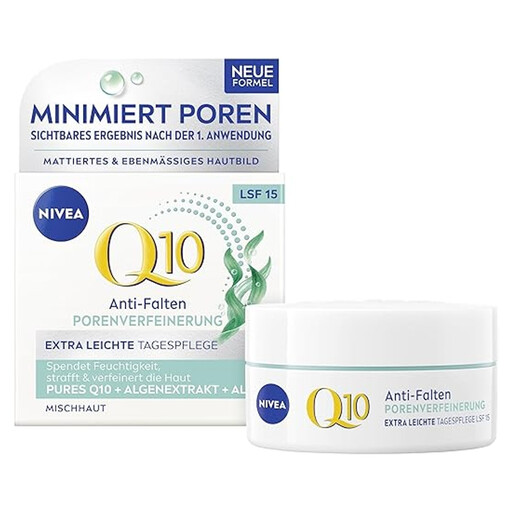
Why This Fits Their Persona: For users seeking a lightweight day cream for their combination skin that not only moisturises and mattifies but also combats the first signs of ageing and provides basic sun protection.
This cream combines multiple functions in one light formula. Instead of just mattifying, it delivers additional skincare benefits through Q10 and Algae Extract and integrates essential daily protection with SPF 15.
The formula aims to refine pores and visibly reduce wrinkles. The integrated SPF 15 protects against premature, light-induced skin ageing.

Why This Fits Their Persona: Ideal for users whose skin is lightweight in texture but still requires intense, long-lasting moisture without the risk of irritation. Suitable for all skin types, especially sensitive and dehydrated skin.
This cream bypasses the trap of short-lived hydration. Instead of just providing a surface-level refresh, it uses 60% deep sea water and a marine complex to supply the skin with lasting moisture and minerals.
The formulation is free from added fragrances and artificial colourants. Ingredients like Niacinamide, Panthenol, and Allantoin provide additional support for soothing and strengthening the skin barrier.
We've compiled a complete, up-to-date list of products that fully meet these strict selection criteria and UK/EU safety regulations.
For people with very oily skin, a lightweight moisturiser may be sufficient year-round. For combination or normal skin, it might be wise to pair the light cream with a hydrating serum in winter or switch to a richer formula in the evening. The key is to listen to your skin: if it feels tight or dry, it needs more lipids and protection.
A lightweight day cream with integrated sun protection should be applied as the final step in your morning skincare routine, after cleansing and any serums. It's important to use a sufficient amount to achieve the stated protection (about half a teaspoon for the face and neck). If you're exposed to strong or prolonged sunlight, the sunscreen should be reapplied every two hours.
The "non-comedogenic" claim on the packaging is a starting point, but not a guarantee, as skin reactions are individual. A look at the ingredients list (INCI) can help. Ingredients like Isopropyl Myristate, Lanolin, or Coconut Oil in high concentrations are considered potentially comedogenic by some. Water- or gel-based formulations with ingredients like Hyaluronic Acid, Glycerin, and Niacinamide are generally considered safer for blemish-prone skin.