
Lieferung heute & morgen

Qualitätsgarantie

Willkommens-Angebote freischalten: KOSTENLOSE Lieferung | Bis zu 80 % RABATT | Kostenlose 30-Tage-JoyPlus-Testphase
App herunterladen
Finding the right moisturiser can be complicated, especially if you have skin prone to shine, blemishes, or a heavy feeling. Many products promise intense hydration but leave an unwanted film on the skin. A lightweight moisturiser is designed to prevent just that: it hydrates without weighing the skin down. However, not every product marketed as "light" lives up to expectations. Before you make a decision, it's helpful to know the most common pitfalls.
Common Pitfalls When Buying a Lightweight Moisturiser:
To make an informed decision, you should focus on the objective properties of a cream. The following three parameters are crucial for the effectiveness and skin-feel of a fast-absorbing face cream.
Humectants are responsible for binding water in the skin. Their selection significantly determines how a cream feels.
The base of a cream—whether it's an oil-in-water or water-in-oil emulsion—influences how quickly it absorbs. A non-greasy moisturiser is typically an oil-in-water emulsion, where water forms the external phase. This results in a refreshing sensation and rapid absorption. Look for terms like "Lotion," "Fluid," or "Gel-Cream."
A good lightweight day cream not only provides moisture but also addresses other skin concerns.
Based on the criteria above, we have identified several products suitable for different needs and skin types.
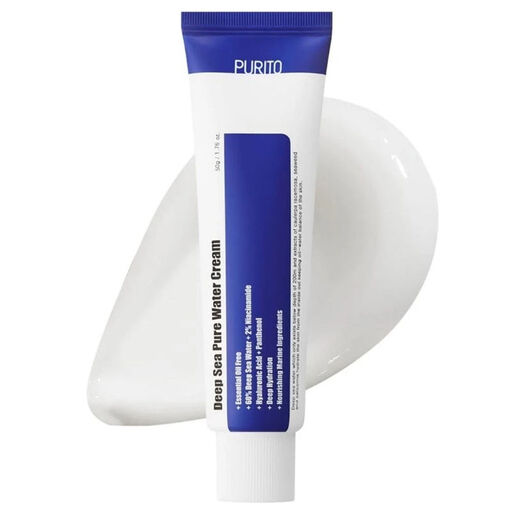
Why it's a great fit: Ideal for those whose skin feels dry and tight, but who want to avoid the heavy texture of traditional rich creams. This cream provides intense hydration without leaving a sticky residue.
Instead of heavy occlusives, this cream uses 60% deep sea water and a marine complex. These ingredients deliver moisture and minerals while the texture remains light and gel-like.
Contains Sodium Hyaluronate and Panthenol to strengthen the skin barrier. The formula is free of added fragrances and suitable for all skin types.
We have compiled a complete, real-time updated list of products that fully meet these strict selection criteria and safety regulations.
Yes, a lightweight moisturiser can be suitable for dry skin types, often as part of a layering routine. You can apply a light, hyaluronic acid-based cream for intense hydration, and then follow up with a few drops of face oil or a richer cream on particularly dry areas to lock in the moisture.
Apply the lightweight day cream to cleansed skin and allow it to absorb for one to two minutes. Afterwards, apply a separate sunscreen suitable for your skin type as the final step in your skincare routine. Some lightweight moisturisers already contain an SPF, which can simplify the routine; however, a generous amount must be applied to ensure adequate protection.
The "non-comedogenic" label on the packaging is a starting point, but this term is not legally regulated or standardised. A more reliable method is to check the ingredient list. If you are prone to blemishes, you should avoid ingredients like Isopropyl Myristate, coconut oil, or certain lanolin derivatives high up on the list. A patch test on an inconspicuous area, such as behind the ear, is always good practice before applying it to your face for the first time.