
Lieferung heute & morgen

Qualitätsgarantie

Willkommens-Angebote freischalten: KOSTENLOSE Lieferung | Bis zu 80 % RABATT | Kostenlose 30-Tage-JoyPlus-Testphase
App herunterladen
A well-maintained garden is a source of joy, but trees and shrubs growing out of control can quickly become a challenge. Targeted branch pruning is crucial for plant health and garden safety. Selecting the right tool is the first step to success. Whether it's a manual lopper, a handy pair of pruning shears, or a powerful cordless pruning saw – the right choice depends on the type and scope of the work at hand.
This article serves as a guide. It introduces different types of tools and explains which features are relevant for your specific gardening needs, helping you make an informed decision for your next pruning tool.
The variety of tools can be overwhelming. Three key criteria will help you narrow down the options and find the perfect device for your garden care.
The maximum branch thickness a tool can handle is one of the most important specifications.
Furthermore, a distinction is made between two cutting systems:
The decision between a manual and a battery-powered tool depends on the size of your garden, the frequency of use, and your desired level of comfort.
Durability and handling are directly dependent on the material and design.
Here is a selection of tools designed for various applications in garden maintenance.

Why it stands out: This manual bypass lopper is designed for durability and power transmission. The SK-5 high-carbon steel blade ensures sharp, clean cuts, while the Ilaflon coating reduces rust and sap build-up. The long handles, made of thickened iron tubes, provide the necessary leverage for demanding tasks.
Benefits:
Who it's for: Users looking for a reliable and powerful manual solution for the regular pruning of shrubs and trees with thicker, living branches.
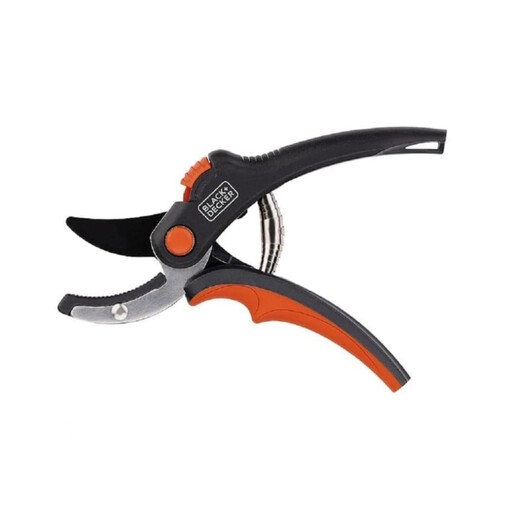
Why it stands out: These compact and lightweight pruning shears from BLACK+DECKER are a practical tool for all delicate cutting tasks in the garden. With their hardened carbon steel blade and ergonomic soft-grip handle, they fit comfortably in the hand and allow for precise work without much effort.
Benefits:
Who it's for: Gardeners who need a handy tool for shaping plants, trimming roses, or removing thin twigs. It is a useful addition to a larger lopper.

Why it stands out: For extensive jobs or cutting thicker branches, this mini chainsaw from SEESII offers a powerful, cordless alternative. The brushless 800-watt motor drives the chain at high speed, effortlessly cutting through branches up to 15 cm in diameter. The automatic oiling system and two included batteries ensure uninterrupted, low-maintenance operation.
Benefits:
Who it's for: Home and garden owners who regularly cut thick branches, chop firewood, or need to manage large amounts of prunings and prefer an effort-saving, efficient solution.
The products featured cover common use cases, but every garden is unique. If you are looking for specialised tools or other alternatives, you may find the right solution for your individual needs in our broader assortment.
Discover more models and accessories in our Hand Gardening Tools category.
A bypass lopper has two sharp blades that glide past each other. It produces a clean cut and is best suited for living, green wood. An anvil lopper has one blade that strikes a flat metal surface (the anvil). It tends to crush the wood and is therefore better for dead, dry, and hard wood, as it transfers more force.
The maximum cutting capacity depends on the model and its leverage. Smaller pruning shears are designed for branches up to about 1.5 cm. Classic loppers with long handles can cut through branches with a diameter of 3 to 5 cm, depending on the design. Always follow the manufacturer's specifications to avoid overloading the tool.
A cordless mini chainsaw requires regular maintenance to ensure its performance and safety. This includes cleaning the saw of resin and wood chips after each use, checking the chain tension, and refilling the chain oil for automatic lubrication. The chain should be sharpened or replaced when cutting performance diminishes. Store the tool and batteries in a dry place.