
Lieferung heute & morgen

Qualitätsgarantie

Willkommens-Angebote freischalten: KOSTENLOSE Lieferung | Bis zu 80 % RABATT | Kostenlose 30-Tage-JoyPlus-Testphase
App herunterladen
For many health-conscious consumers, reducing salt intake is a key goal. At the same time, no one wants to sacrifice the deep, complex umami flavour that a good soy sauce brings to a dish. The market offers a growing selection of reduced-sodium soy sauces, but the differences in quality, taste, and salt content can be significant.
This guide is here to help. It highlights the key criteria to consider when choosing a reduced-sodium soy sauce and presents a selection of products to help you make an informed decision.
Before you buy soy sauce, the following points will help you make the right choice for your kitchen and your health needs.
The term "reduced-sodium" isn't standardised, and the actual salt content can vary significantly from brand to brand. The only reliable guide is the nutrition facts panel on the label. Compare the "Salt" value per 100 ml. A low-sodium soy sauce should have a significantly lower value than conventional products, which often contain 15 g of salt per 100 ml or more.
The quality of a soy sauce depends heavily on its production process.
A high-quality low-salt Japanese soy sauce is typically naturally brewed to compensate for the flavour loss resulting from the salt reduction.
Consider what you primarily want to use the soy sauce for. While some products are versatile all-rounders, others are better suited for specific applications. A universal soy sauce for cooking can be used for marinating, seasoning stir-fries, and as a base for sauces. Specialised sauces, such as those for seafood, may contain additional ingredients that specifically complement the flavour of certain dishes.
Here is a selection of products that cover different needs and flavour profiles.
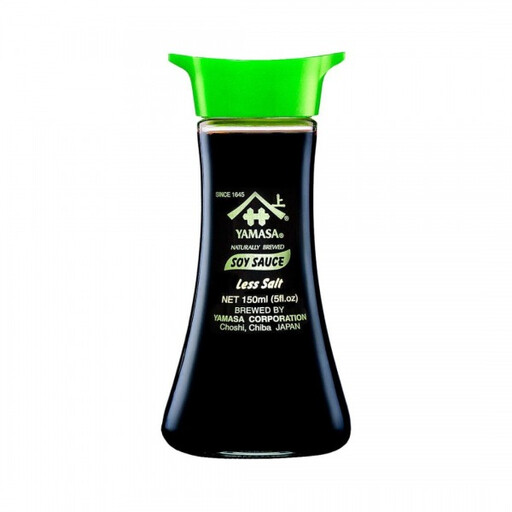
What makes it special: This traditionally brewed soy sauce from Yamasa in Japan delivers an authentic, rich umami flavour with significantly reduced salt content. Thanks to its natural brewing process, it retains a full-bodied aroma, making it a versatile seasoning for the health-conscious kitchen.
Objective Specifications:
Best for: Users looking for an authentic, naturally brewed Japanese soy sauce with a particularly low salt content for everyday use.
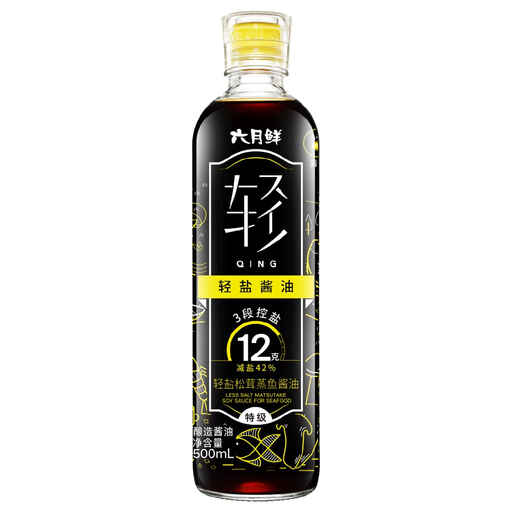
What makes it special: This soy sauce is specially designed for preparing fish and seafood. It is enriched with the aroma of Matsutake mushrooms to enhance the umami flavour and contains lemon juice to help neutralise fishy notes. The six-month fermentation process ensures a complex flavour profile.
Objective Specifications:
Best for: Home cooks who frequently prepare fish and seafood and are looking for a tailored seasoning sauce with a distinct, mushroom-like umami profile.
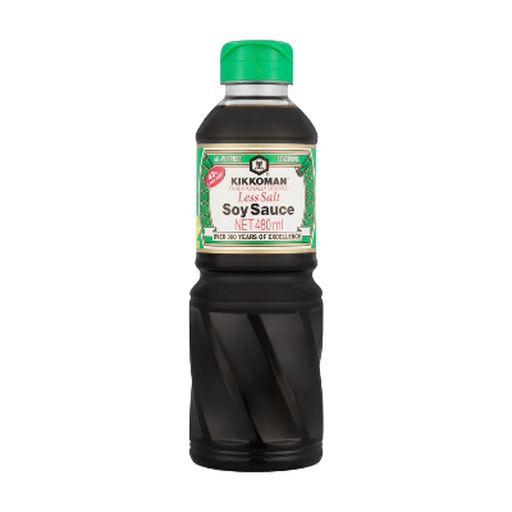
What makes it special: Kikkoman's reduced-sodium version is made using the same traditional brewing process as the original. As a result, it retains its well-known, balanced flavour and aroma, making it a reliable and versatile choice for a wide variety of dishes. The product is also suitable for a vegan diet.
Objective Specifications:
Best for: Users who appreciate the familiar taste of Kikkoman's reduced-sodium version and need a reliable, all-purpose soy sauce for their daily cooking.
If the products featured don't quite meet your needs, or if you'd like a broader overview of seasonings, you can find more options in our Salt & Table Salt category.
The primary difference is the salt content. In the production of reduced-sodium soy sauce, a portion of the salt is removed through a special process after brewing. The manufacturer's goal is to preserve the full umami flavour as much as possible. The percentage of salt reduction varies by brand and product.
Look for the "naturally brewed" indication on the label. A short ingredient list consisting mainly of water, soybeans, wheat, and salt is also a good sign. A higher protein content (often over 8 g per 100 ml) can indicate a meticulous and longer fermentation process, which positively affects the flavour.
Yes, in principle, a healthy soy sauce with less salt is very versatile and can be used as a universal soy sauce for cooking, dipping, and marinating. However, for certain dishes, like enhancing seafood, specialised sauces with additional flavour components such as mushroom or citrus extracts can be an even better match.