
Lieferung heute & morgen

Qualitätsgarantie

Willkommens-Angebote freischalten: KOSTENLOSE Lieferung | Bis zu 80 % RABATT | Kostenlose 30-Tage-JoyPlus-Testphase
App herunterladen
Finding the right fitness snack can be a challenge, especially when you're looking for an option that's high in protein yet low in sugar. Many products on the market advertised as protein bars often contain more sugar than you might expect. This article serves as a guide, presenting a selection of protein bars distinguished by their low sugar content. The goal is to provide you with an objective basis for your purchasing decision, based on the products' declared nutritional values and ingredients.
To find a suitable low-sugar protein bar, it's helpful to know a few basic criteria. The following points can assist you in evaluating products.
A look at the nutrition label is essential. Pay close attention to the protein-to-sugar ratio. A bar with high protein content and only a few grams of sugar per serving is often a great choice. Also, note the line item "of which sugar alcohols" (polyols). These sugar alcohols, such as maltitol or xylitol, are used as sweeteners and have fewer calories than conventional sugar. They are a common ingredient in a low-carb bar or a sugar-free protein bar.
Protein bars use various sources of protein. Common ones include milk protein (whey and casein), soy protein, or collagen hydrolysate. The type of protein source can affect the bar's texture and amino acid profile. The ingredients list reveals which proteins are included and in what order, indicating their proportion in the product.
A shorter, more understandable ingredients list can be an indicator of a less processed product. Look for the use of fillers or the absence of certain ingredients like palm oil. These details can be relevant for individuals who value specific quality attributes.
Here is a presentation of three products that meet the criteria of high protein and low sugar content.
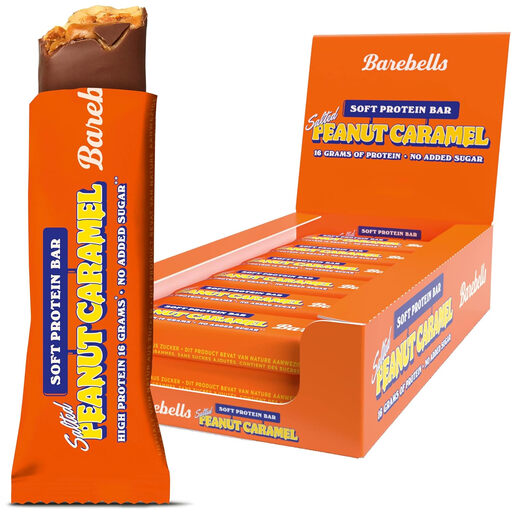
What makes it stand out: The Barebells Soft Protein Bar in the Salted Caramel protein bar flavour combines a soft texture with salted peanuts and caramel, all coated in milk chocolate. Each 55-gram bar provides 16 grams of protein and is notable for its low sugar content. According to the manufacturer, it is produced without palm oil.
Benefits:
Who it's for: This product is suitable for those who prefer a bar with a softer consistency and a balanced sweet-and-salty flavour profile. It's a convenient option for on-the-go snacking or as a protein-rich supplement after a workout.
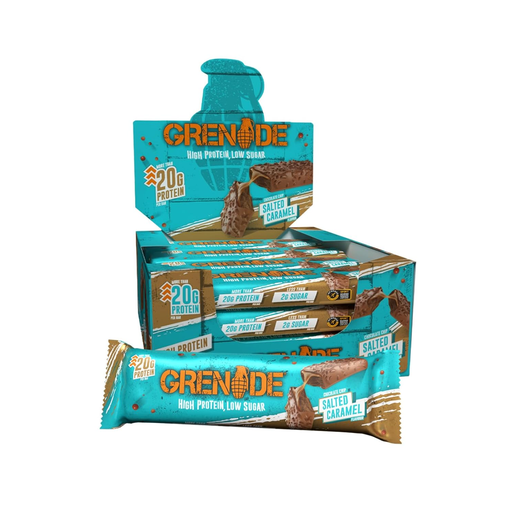
What makes it stand out: The Grenade Carb Killa bar is known for its multi-layered construction. This version offers a combination of caramel, chocolate chips, and a soft core, all covered in milk chocolate. With 21 grams of protein per 60-gram bar, it delivers a high protein content while remaining low in sugar.
Benefits:
Who it's for: This bar is aimed at users seeking exceptionally high protein content who appreciate a firm, multi-layered texture. It's a great choice as a post-workout bar to support recovery or as a filling snack between meals.
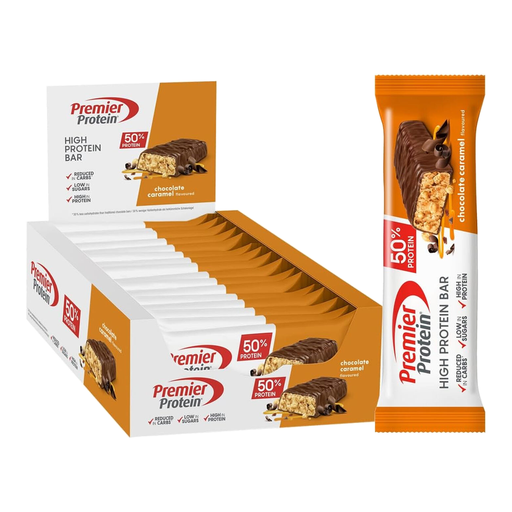
What makes it stand out: As the name suggests, this bar is 50% protein, which equates to 20 grams per 40-gram bar. Particularly noteworthy is its extremely low sugar content of just 0.8 grams per bar at most. According to the manufacturer, it is also palm oil-free and contains 30% fewer carbohydrates than conventional chocolate bars.
Benefits:
Who it's for: This bar is ideal for individuals aiming for maximum protein intake with minimal sugar and carbohydrate consumption. It is an excellent choice for athletes in strict diet phases or for anyone looking for a highly efficient low-carb bar.
The products featured here focus on the popular caramel flavour. If you are looking for other flavours or more alternatives, our broader product category offers a greater variety.
Discover more products in our selection of Caramel Bars.
A protein bar can be used flexibly. Many athletes consume it as a post-workout bar to support muscle recovery. However, it also works well as a convenient fitness snack between meals to curb hunger and ensure protein intake throughout the day.
The term sugar-free protein bar or "low sugar" usually means that sweeteners like maltitol, sucralose, or stevia are used instead of table sugar. These provide sweetness but have fewer or no calories and affect blood sugar levels differently than sugar. The exact ingredients are always listed in the ingredients list on the packaging.
For a low-carb bar, the net carbohydrate content is crucial. This is often calculated by subtracting the sugar alcohols (polyols) from the total carbohydrates, as the body only partially digests them. A look at the nutrition table helps to understand the actual content of carbohydrates, sugar, and polyols and to find the right product for a low-carb diet.