
Lieferung heute & morgen

Qualitätsgarantie

Willkommens-Angebote freischalten: KOSTENLOSE Lieferung | Bis zu 80 % RABATT | Kostenlose 30-Tage-JoyPlus-Testphase
App herunterladen
Finding the right lunch box can be a challenge. Whether it's for the daily office grind, university, or commuting, the requirements are diverse. An inadequate lunch container often leads to lukewarm food, soggy salads, or, in the worst-case scenario, leaked sauces in your bag. The goal is to find a practical and reliable solution that makes taking home-cooked meals with you effortless and enjoyable.
This article serves as your guide. We'll introduce different types of food containers and explain their specific features to help you make an informed decision.
The selection of models is vast. To make the right choice, consider a few key criteria tailored to your individual needs.
The material directly impacts durability, weight, and ease of cleaning. Stainless steel containers are durable, resist odours, and are excellent for insulation. Plastic models are often lighter and typically microwave- and dishwasher-safe, which simplifies everyday use. For plastic, look for the "BPA-free" label.
For soups, curries, or salads with dressing, a leak-proof food container is essential. Models with silicone seals and sturdy locking clips provide the necessary security. A lunch box with compartments, often called a bento box, allows you to keep different components of a meal separate. This keeps crackers crispy, salad fresh, and the main course distinct.
If you prefer hot meals, you have two options. A thermal food container with vacuum insulation keeps food hot or cold for several hours without an external power source. For those who have access to a power outlet at their destination, an electric lunch box is an interesting alternative. This heated lunch box gently warms your meal right before you eat.
Based on the criteria mentioned, we've curated a selection of products that cover a range of different uses.

Maxcook 316 Stainless Steel Insulated Food Jar, 1.5L
Why It Stands Out: This insulated food jar combines a large 1.5-litre capacity with effective vacuum insulation. Made from 316 stainless steel, it is highly resistant to corrosion and odours.
Pros:
Best For: Ideal for individuals who enjoy taking large portions of hot meals like stews, soups, or curries and value long-lasting temperature insulation.
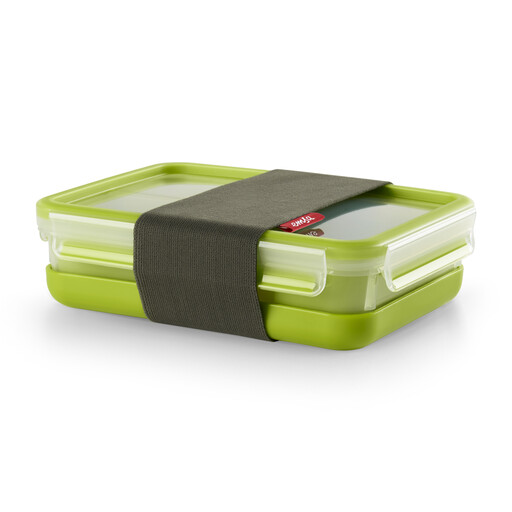
Emsa 518098 Clip & Go Lunchbox, 1.2 L
Why It Stands Out: This lunch box for adults stands out with its modular system. With three inserts and a separate tray, it offers maximum flexibility for meal prep. According to the manufacturer, it is 100% leak-proof.
Pros:
Best For: Perfect for professionals and students who want to transport varied meals with multiple components like salads, sandwiches, and snacks.
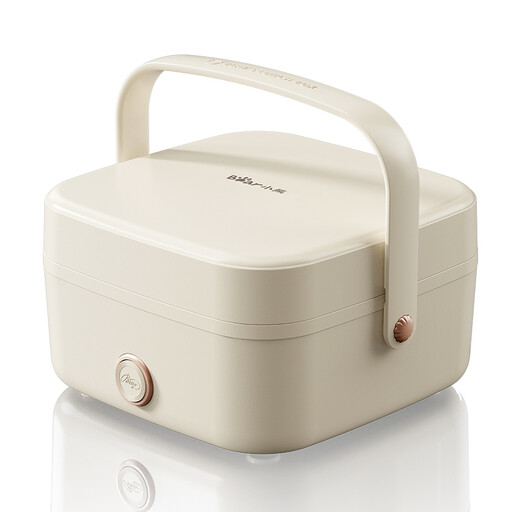
Bear Antibacterial Lunch Box, Waterless Rapid Heating
Why It Stands Out: This electric lunch box requires no water to heat your food. It simply plugs into a power outlet and warms the contents up to 70°C.
Pros:
Best For: An excellent solution for anyone without access to a microwave who still wants a hot meal at the office, workshop, or on the road.
The products featured here already cover a wide range of needs. However, if you're looking for more specialised containers, such as multi-tiered models or different designs, it's worth exploring our extended collection.
Discover a wider variety in our insulated food tiffin box category and find the perfect solution for your meals.
The term bento box originates from Japan and traditionally refers to a take-out meal in a special box with dividers. Today, the terms are often used interchangeably. A bento box is essentially a lunch box with compartments, designed to transport a balanced and visually appealing meal with separate components.
To prevent odours, clean the box immediately after use with warm water and dish soap. Let the box air-dry completely before closing and storing it. For stubborn odours, it can help to leave the box filled overnight with a mixture of water and baking soda or vinegar, then rinse it thoroughly.
Electric lunch boxes are typically designed for indoor use and operate on low power, similar to other small office appliances. They are usually equipped with safety features and operate quietly. However, it's always a good idea to check your workplace's specific policies regarding the use of personal electrical devices.