
Lieferung heute & morgen

Qualitätsgarantie

Willkommens-Angebote freischalten: KOSTENLOSE Lieferung | Bis zu 80 % RABATT | Kostenlose 30-Tage-JoyPlus-Testphase
App herunterladen
A well-planned meal on the go is often the key to a productive day. But reality often looks different: impractical containers, sauces leaking in your bag, or a cold lunch that was supposed to be warm. Choosing the right lunch box is crucial for transporting food safely, keeping it fresh, and maintaining the desired temperature.
This article serves as an objective guide. It introduces various types of lunch boxes and analyses their features to provide you with a solid basis for making an informed decision for your daily routine—whether at the office, university, or on a construction site.
Before you decide on a model, the following criteria will help you match the functionality and material to your personal needs.
The material affects not only the weight and durability but also its versatility and potential uses.
Your intended use determines which technological features your box should have.
A well-designed interior layout and included accessories enhance everyday convenience.
Here, we present three models with different specialities, each designed for various use cases.
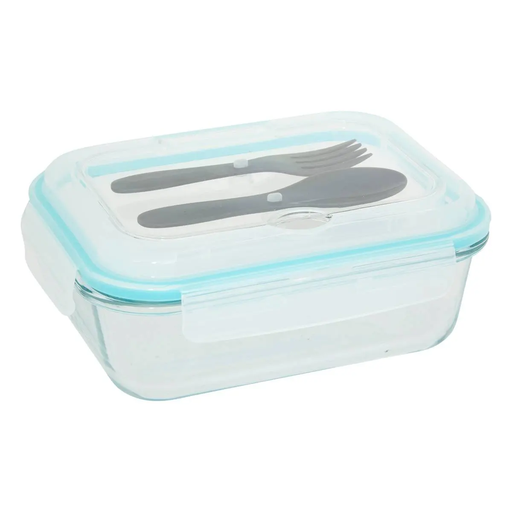
Why it stands out: This model combines the benefits of a glass lunch box with the convenience of integrated accessories. The borosilicate glass container is robust and versatile.
Benefits:
Who it's for: Ideal for individuals who meal prep at home and want to reheat their food in the microwave at the office or university. The combination of a glass container and integrated cutlery makes it a practical all-in-one solution.

Why it stands out: This thermal lunch box is distinguished by its large capacity and effective vacuum insulation. Made from high-quality 316 stainless steel, it is designed for demanding use.
Benefits:
Who it's for: Perfect for anyone who needs a hot meal on the go without access to a microwave or power outlet. Whether on a construction site, during an outdoor trip, or on long workdays, this insulated food container is a reliable thermal food jar.
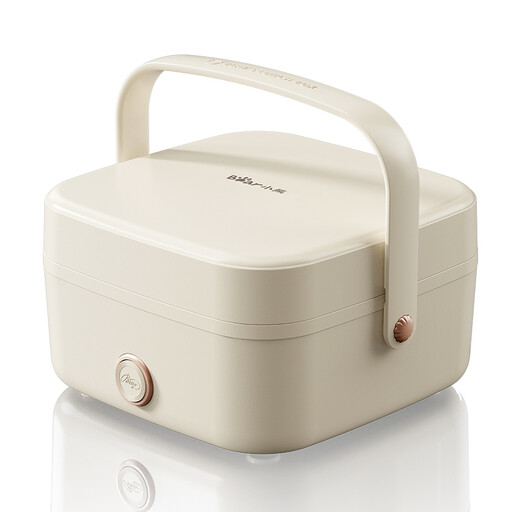
Why it stands out: This electric lunch box offers a modern solution for heating food. It operates without a water bath and, according to the manufacturer, features an antibacterial coating for added hygiene.
Benefits:
Who it's for: An excellent choice for professionals who want to enjoy a hot meal at the office but cannot or prefer not to use a shared kitchen. Its quiet operation and simple handling make it a discreet and efficient heatable lunch box.
Didn't find the right solution for you, or are you looking for specialised containers, such as for catering needs? You can find a wider selection of functional containers in our Insulated Food & Beverage Carriers category.
1. What is the best way to clean a lunch box? The cleaning method depends on the material. Glass and stainless steel containers are often dishwasher-safe, although lids with seals should be washed by hand to ensure their longevity. For an electric lunch box, only the removable inner container should be cleaned; the base unit with the heating electronics must never be submerged in water. Always follow the manufacturer's specific care instructions.
2. What does "leak-proof" mean for a lunch box? A box described as leak-proof has special design features to prevent liquids from escaping. These typically include a surrounding silicone gasket in the lid and robust locking mechanisms (e.g., snap-on clips) that create a tight seal. This is crucial for transporting soups, sauces, or dressings.
3. Can I put any lunch box in the microwave? No. Only containers explicitly marked as microwave-safe should be used. These are typically models made of glass or specific types of plastic. A stainless steel lunch box or an insulated thermal lunch box must under no circumstances be placed in the microwave, as metal reflects microwaves and can damage the appliance.