
Lieferung heute & morgen

Qualitätsgarantie

Willkommens-Angebote freischalten: KOSTENLOSE Lieferung | Bis zu 80 % RABATT | Kostenlose 30-Tage-JoyPlus-Testphase
App herunterladen
A good lunch box is more than just a container. It's a daily companion that ensures your meals arrive fresh, appetising, and secure. But the market is crowded, and many products fail to deliver on their promises. The result is often leaky containers, stained materials, or an impractical layout. As your Joybuy Product Recommendation Officer, I'm here to help you avoid the common pitfalls and make an informed decision.
Before we dive into the key features, let's look at the problems many users experience after their purchase. Recognising these weaknesses is the first step toward making the right choice.
To avoid these problems, you should carefully examine three core aspects before buying. These will determine the durability, functionality, and safety of your new lunch box.
The choice of material has a direct impact on usability and lifespan.
A reliable lock is crucial. Look for models with a robust click-lock system that snaps shut on all four sides of the lid. A continuous silicone seal that is firmly integrated into the lid is the key to a truly leak-proof lunch box. Loose or thin sealing rings can slip or quickly become porous.
Consider what kind of meals you plan to transport.
Here are some recommendations tailored to different user profiles that meet the quality criteria mentioned above.
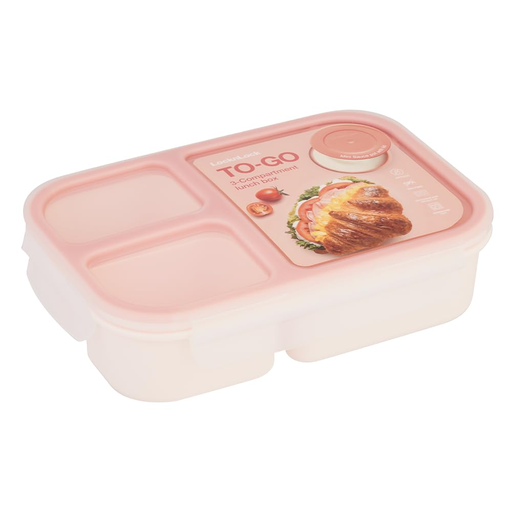
Why This Fits Their Persona: Ideal for professionals and students looking for a reliable and practical solution for a complete meal. The three compartments allow for the clean separation of a main dish, side, and snack.
The 4-sided locking system with its silicone seal reliably prevents leaks, directly addressing the weak point of many other boxes.
100% airtight and watertight; integrated sauce container; BPA-free material that is microwave and dishwasher-safe.
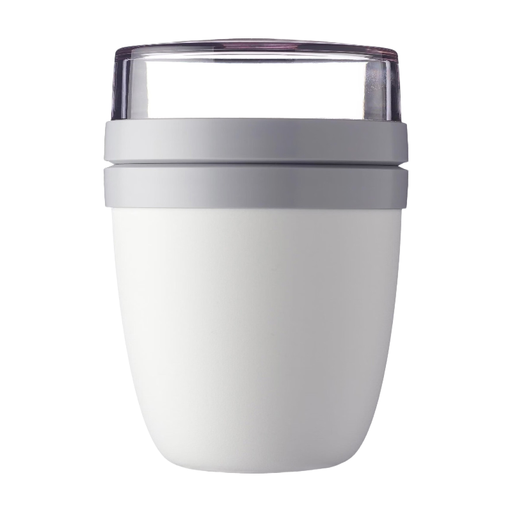
Why This Fits Their Persona: Perfect for anyone who likes to transport yoghurt, soup, or porridge with dry toppings like muesli, nuts, or croutons without them getting soggy.
The design, with two separate, screw-on containers, elegantly solves the problem of impractical compartment layouts for wet and dry foods.
Two 100% separate and leak-proof containers; the bottom container is microwave-safe; compact and well-thought-out design.
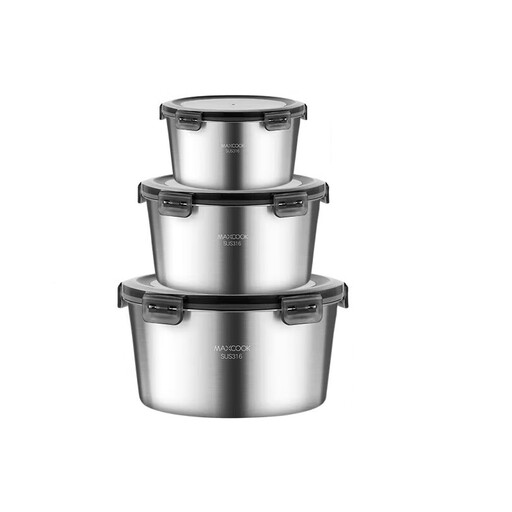
Why This Fits Their Persona: For users seeking a plastic-free, extremely durable, and hygienic food storage solution. The set of three sizes offers flexibility for meal prep and at-home storage.
The high-quality 316 stainless steel prevents material wear. It doesn't warp, absorb odours, and is resistant to stains and corrosion.
Extremely durable and robust; completely taste and odour-neutral; dishwasher and freezer-safe; set of three practical sizes.
We've curated a complete, up-to-date list of products that meet these strict selection criteria and fully comply with German safety standards.
Both materials have their pros and cons. Stainless steel is more durable, hygienic, and eco-friendly, but it's not usually microwave-safe and is heavier. Plastic (BPA-free) is lightweight, often microwave-safe, and more affordable. The choice depends on your priorities: durability and avoiding plastic (stainless steel) or convenience and flexibility (plastic).
Clean the box and lid after each use, ideally in the dishwasher if the manufacturer permits. If washing by hand, use warm water and mild dish soap. Let all parts air-dry completely before closing and storing the box. For stubborn odours, it can help to leave the box filled overnight with a mixture of water and vinegar or baking soda.
BPA (Bisphenol A) is an industrial chemical used in the manufacturing of certain plastics. It is suspected that BPA can leach from the plastic into food and may have health effects. A BPA-free label ensures that the plastic was made without this chemical and is therefore considered safer for food contact.