
Lieferung heute & morgen

Qualitätsgarantie

Willkommens-Angebote freischalten: KOSTENLOSE Lieferung | Bis zu 80 % RABATT | Kostenlose 30-Tage-JoyPlus-Testphase
App herunterladen
A good lunch box with compartments is more than just a container. It's a daily companion for professionals, students, and anyone who values a fresh, well-organised meal on the go. However, the market is flooded with products whose marketing promises often fall short in practice. Leaking sauces, mixed-up ingredients, and low-quality materials are common frustrations. This guide shows you what to look for to make an informed decision.
Before choosing a model, it's helpful to know the typical weaknesses that can quickly render a once-promising lunch box useless.
To avoid the problems mentioned above, you should check three core technical parameters. These define the functionality and durability of a lunch box for adults or a meal prep container.
A truly leak-proof lunch box depends on two components: the seal and the locks. Look for a silicone seal that is firmly integrated into the lid. Unlike loose sealing rings, it can't slip or get lost and creates a flush seal with the container's rim. Sturdy clip-locks that snap shut on all four sides provide even pressure, ensuring the lid stays secure even when in motion.
The material is crucial for safety and durability. High-quality lunch boxes are typically made of polypropylene (PP), a robust and food-grade plastic. An essential feature is the BPA-free label, which ensures that no harmful plasticisers can leach into your meals.
For versatile use as a microwave-safe lunch box or for freezer storage, the specified temperature resistance (e.g., from -40°C to +110°C) is a reliable indicator. This ensures the material remains stable during heating or cooling.
A modern bento box is defined by its adaptability. Models with removable and separately sealed inserts offer the greatest flexibility. This allows you to transport one large meal or divide the container into multiple zones for different components. This is especially beneficial for meal prepping or as an on-the-go snack box, as it keeps dry and wet ingredients separate until you're ready to eat.
Based on the criteria above, we have identified a few models that are well-suited for specific use cases.
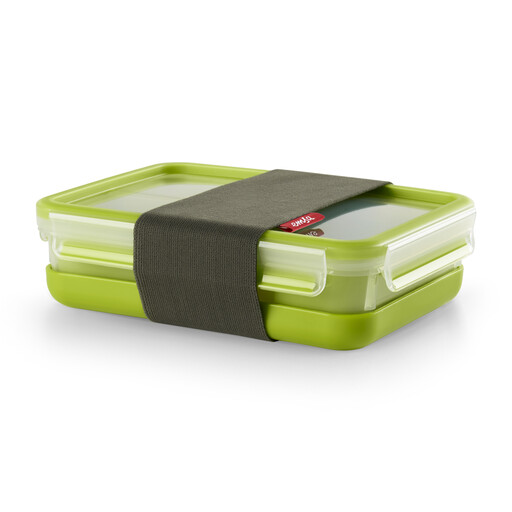
Why This Fits Their Persona: Ideal for those who take a full meal to work or university. The 1.2-litre volume and three separate inserts allow for separating a main course, a side dish, and a small salad or dessert. The additional plate is practical for eating at your desk.
The special freshness seal directly addresses the "leak-proof" dilemma. Its high modularity with three inserts and a plate solves the problem of impractical, fixed dividers.
High flexibility thanks to multiple inserts. According to the manufacturer, it is 100% leak-proof, dishwasher-safe, freezer-safe, and microwave-safe. Made in Germany.
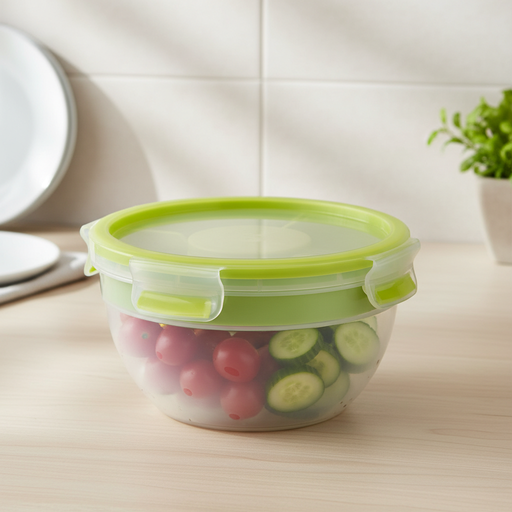
Why This Fits Their Persona: Perfect for people who prefer smaller meals or various snacks like yoghurt with granola, vegetable sticks with dip, or fruit. The more compact 1-litre size fits easily into smaller bags or backpacks.
This model avoids the material quality trap by using high-quality, BPA-free plastic with clearly defined temperature limits. This prevents warping and odour absorption with proper use.
Compact size with two practical inserts for separating food. Stackable design for space-saving storage in the cupboard.
We have compiled a complete, up-to-date list of products that fully meet these strict selection criteria and safety regulations.
The easiest method is to clean it in the dishwasher, provided the product is marked as dishwasher-safe. For hand washing, use warm water and a mild dish soap. To neutralise stubborn odours from things like onions or spices, a paste of baking soda and water can help. Let it sit in the box overnight and then rinse thoroughly. It's important to let all parts, especially the seal, dry completely before closing and storing.
No, there are important differences. It is essential to follow the manufacturer's specific instructions. Key factors include the maximum power (e.g., 600 watts) and the maximum time (e.g., 1.5 minutes). A critical point is the lid: it must never be sealed shut in the microwave. Place it loosely on top of the container to allow steam to escape. This prevents a build-up of pressure that could warp the container or lid.
BPA (Bisphenol A) is an industrial chemical used in the manufacturing of certain plastics. There is a risk that BPA can leach from the plastic into food, especially when heated. The BPA-free label guarantees that the plastic was made without this substance. For food containers like a lunch box with compartments, which is often used to reheat meals, choosing a BPA-free product is an established precaution to ensure food safety.