
Lieferung heute & morgen

Qualitätsgarantie

Willkommens-Angebote freischalten: KOSTENLOSE Lieferung | Bis zu 80 % RABATT | Kostenlose 30-Tage-JoyPlus-Testphase
App herunterladen
A cold lunch at the office, a soggy salad, or a sauce that has leaked into your bag—these are common problems for many professionals, students, and commuters. The right lunch box can be the difference between an unsatisfying meal and an enjoyable, convenient dining experience away from home.
As your Joybuy Product Recommendation Officer, my job is to provide you with clear guidance through the diverse world of food containers. This article introduces various models and explains the key criteria to help you make an informed decision for your daily routine.
The choice of the right container depends on your individual needs. Whether you prefer hot meals, value leak-proof security, or are looking for a solution for the whole family, the following points will help guide your decision.
The material is a crucial factor for functionality and durability. Plastic containers are lightweight and often microwave-safe. Look for the BPA-free (Bisphenol-A-free) label, which indicates that this plasticiser was not used in its production. Stainless steel is a robust and long-lasting alternative that does not absorb odours or flavours. However, standard stainless steel containers are not suitable for the microwave.
For hot meals like soups or curries, an insulated lunch box or an insulated food jar is a sensible choice. These models often use vacuum insulation to maintain the temperature for several hours. In contrast, simple plastic boxes without insulation are primarily suitable for cold foods like salads or sandwiches that are eaten at room temperature or stored in a refrigerator.
A leak-proof seal is essential for safely transporting liquids like sauces or dressings. Look for lids with silicone gaskets and sturdy locking mechanisms. The electric lunch box offers a unique solution. It allows you to heat meals directly at your workplace or on the go without needing a microwave—ideal for anyone who appreciates a hot meal but doesn't have access to a kitchen.
Based on these criteria, we have compiled a selection of models that cater to different needs.
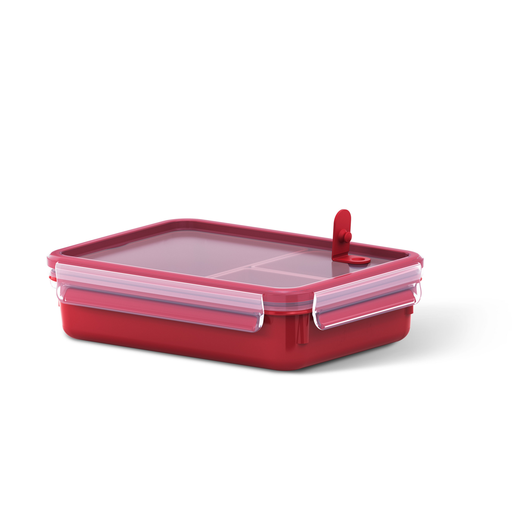
Why it stands out: This model from Tefal is a versatile on-the-go food container designed for everyday practicality. The combination of being leak-proof, microwave-safe, and dishwasher-safe makes it a hassle-free companion.
Advantages:
Who it's for: Ideal for professionals and students who need a reliable everyday container for various types of meals and who value easy handling and cleaning.
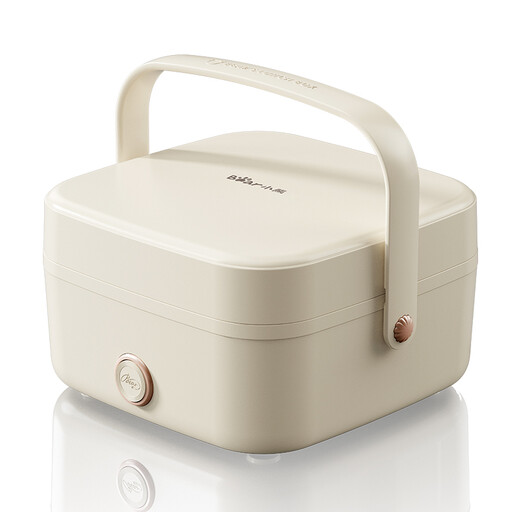
Why it stands out: The electric lunch box from Bear offers the ability to heat meals without a water bath and independently of a microwave. Its heating function up to 70°C makes it a practical solution for hot meals at the office or while travelling.
Advantages:
Who it's for: Perfect for individuals without access to a kitchen or microwave at their workplace, such as field service employees, truck drivers, or office workers who prefer a hot meal right at their desk.
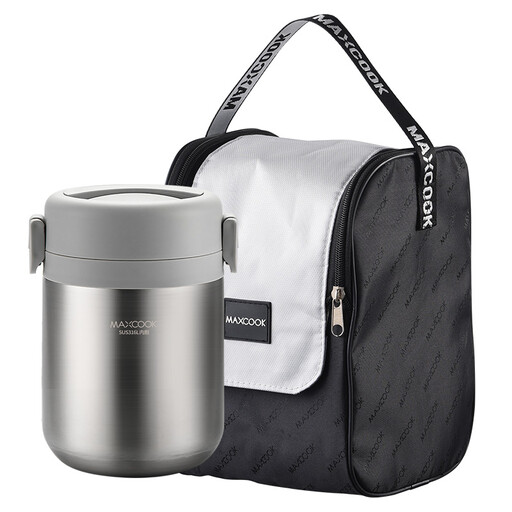
Why it stands out: This insulated food jar from Maxcook is designed for maximum temperature retention. Made from 316 stainless steel and featuring vacuum insulation, it keeps food hot or cold for hours.
Advantages:
Who it's for: An excellent choice for anyone who enjoys taking hot soups, stews, or other dishes with them and wants to enjoy them at the right temperature hours later, for example, on construction sites, during outings, or on long university days.
Haven't found the right model for your needs yet? Every meal and every daily routine is different. You might need a different size, another material, or special compartments to separate your food.
Explore our entire range of insulated hot and cold food lunch boxes to compare more models and find the perfect solution for your on-the-go meals.
Leak-proof performance depends on the lid's design and the quality of the seal. Models with a silicone gasket in the lid and robust clip-locks on all four sides are considered very reliable. Look for the term leak-proof explicitly mentioned in the product description.
No, conventional containers made of stainless steel must never be placed in the microwave, as metal reflects microwaves and can damage the appliance. To heat food from a stainless steel container, the contents must be transferred to a microwave-safe dish. An electric lunch box is an alternative to this.
BPA (Bisphenol A) is a chemical compound used in the manufacturing of certain plastics. Due to concerns that BPA can leach from the plastic into food, many consumers prefer BPA-free products. The "BPA-free" label signals that the manufacturer has avoided using this chemical in the production of the plastic item.