
Lieferung heute & morgen

Qualitätsgarantie

Willkommens-Angebote freischalten: KOSTENLOSE Lieferung | Bis zu 80 % RABATT | Kostenlose 30-Tage-JoyPlus-Testphase
App herunterladen
The right lunch box can make your daily routine significantly easier—whether at the office, university, or on the go. However, the market is flooded with models whose advertising promises often don't hold up in practice. A leaky lid in your bag or a container that quickly absorbs odours are common annoyances. This guide will help you identify the crucial features and make an informed choice that suits your needs.
Many buyers are swayed by attractive designs or supposed special offers, overlooking functional flaws that only become apparent with use. Pay close attention to these three points to avoid a purchase you'll regret:
To find the right lunch box, you should focus on objective and functional characteristics. The following three parameters are crucial for the durability and practicality of your food container for work.
Each material offers specific advantages and disadvantages that should be weighed against your personal use case.
Making a truly leak-proof lunch box requires more than just a simple lid. Look for models with a four-sided locking system. These distribute pressure evenly across the seal. The seal itself should be made of high-quality silicone and be firmly integrated into the lid so it doesn't get lost or shift during cleaning.
For structured meals in the style of a Bento box, meal prep containers with fixed dividers are ideal. Check if the dividers are tall enough and if the lid is designed to seal each chamber separately. If you regularly want to take hot meals with you, an insulated food jar with a wide opening is a worthwhile investment. It not only makes filling and eating easier but also simplifies cleaning.
Based on the criteria mentioned, we have identified several products that offer a suitable solution for specific user groups.
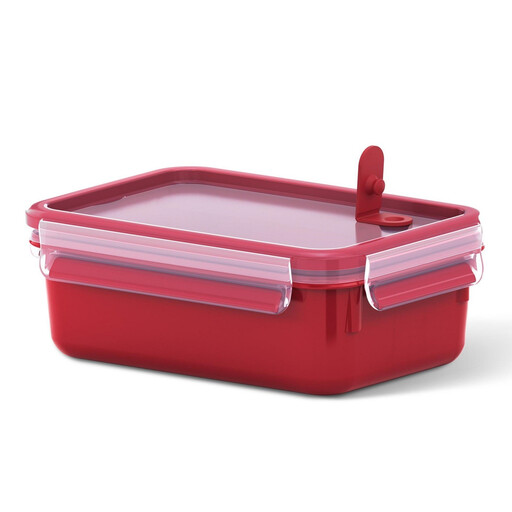
Why This Fits Their Persona: Ideal for professionals seeking a straightforward, reliable, and microwave-safe solution for their daily lunch. Lightweight, durable, and easy to handle.
The clip-on locking system and firmly integrated seal ensure reliable leak-proofing that holds up to daily use. The manufacturer-stated BPA-free material is suitable for the microwave and dishwasher, minimising the risk of staining and odour absorption.
The valve in the lid allows for reheating in the microwave without removing the lid. The 100% leak-proof performance is guaranteed by the clip system.
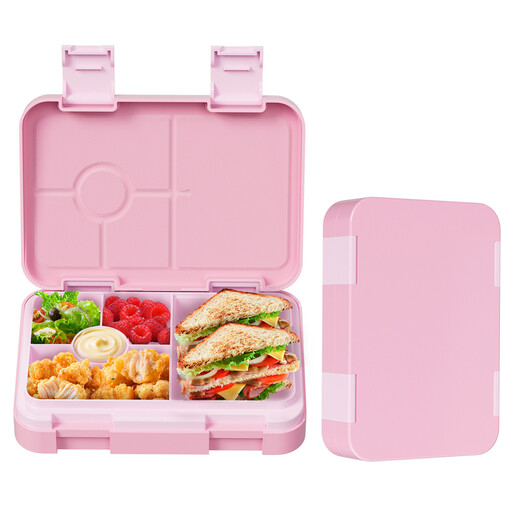
Why This Fits Their Persona: Perfect for health-conscious individuals who enjoy prepping their meals and need to transport different components neatly separated.
This Bento box solves the problem of mixed foods with five clearly defined and well-sealed compartments. The double latches provide extra security against accidental opening and leaks.
Five separate compartments allow for varied and organised meal planning. The robust design with double latches is built for durability.
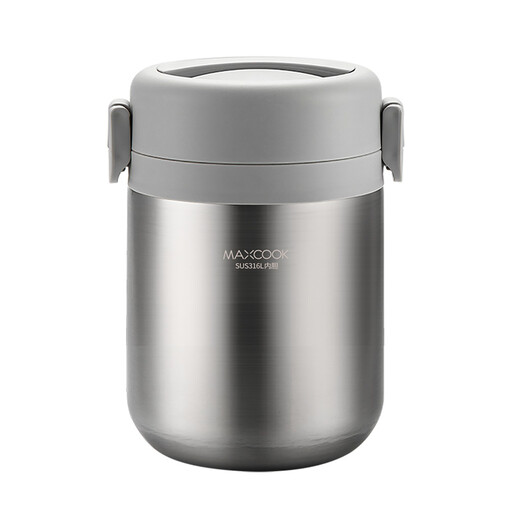
Why This Fits Their Persona: For anyone who doesn't want to miss out on a hot soup, stew, or pasta dish while on the go. Ideal for long workdays or outings without access to a microwave.
Unlike plastic boxes that don't retain heat, this container uses vacuum insulation. The 316 stainless steel material is not only extremely durable and hygienic but also effectively prevents the absorption of odours and stains.
Effective temperature retention for several hours. The wide opening makes filling, eating, and cleaning easy. The leak-proof lid ensures secure transport.
We have compiled a complete, real-time list of products that fully satisfy these strict selection criteria and UK safety regulations.
1. How do I clean my lunch box properly to avoid odours? Ideally, rinse the container with cold water immediately after use to prevent food residue from sticking. For stubborn odours in plastic containers, it can help to let them sit overnight filled with a mixture of water and vinegar or baking soda. Glass and stainless steel containers are naturally odour-resistant. Always follow the manufacturer's instructions regarding dishwasher suitability, especially for the lid.
2. Is a lunch box advertised as "leak-proof" always truly sealed? Leak-proof performance largely depends on the design of the closure and the quality of the seal. Models with four-sided locking clips and a securely fitted silicone gasket offer greater reliability than simple press-on lids. Regularly inspect the seal for cracks or deformities and ensure the lid is closed correctly and tightly.
3. Which material is suitable for the microwave? As a rule, only containers made of glass and specially marked plastic (PP or with a microwave symbol) are suitable for the microwave. Stainless steel containers must never be placed in a microwave, as this can damage the appliance and create sparks. For most microwave-safe containers, the lid must be removed or an existing valve opened before heating to prevent pressure build-up.