
Lieferung heute & morgen

Qualitätsgarantie

Willkommens-Angebote freischalten: KOSTENLOSE Lieferung | Bis zu 80 % RABATT | Kostenlose 30-Tage-JoyPlus-Testphase
App herunterladen
A quality lunch box is more than just a container. It's a daily companion that ensures your food arrives fresh, appetizing, and secure. But the market is saturated with products that often fail to deliver on their promises in practice. Misleading material claims, leaky lids, and impractical designs can quickly lead to frustration and wasted money. This guide will help you identify the crucial features and make an informed choice.
Before you decide on a model, you should be aware of the typical weaknesses that often only become apparent with everyday use.
To avoid these problems, focus on three objective parameters that determine the quality and longevity of a lunch box.
Each material has specific advantages and disadvantages that make it suitable for different purposes.
The lid is the most critical component for leak-proof transport. Look for the following features:
For varied meals, a well-thought-out internal layout is essential.
Here are some product recommendations tailored to specific needs that meet the quality criteria mentioned above.
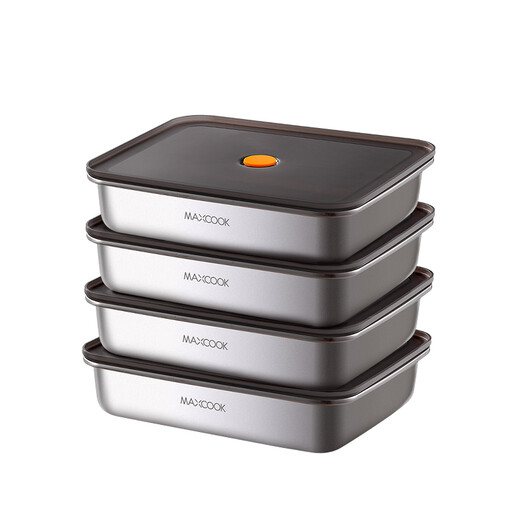
Why This Fits Their Persona: Ideal for individuals who prepare meals for several days (meal prep). The set of four identical, large containers (1600 ml each) allows for structured planning. The material is designed for storage in the refrigerator and freezer.
The high-quality 316L stainless steel prevents odor and stain absorption, a common issue with plastic containers. The robust construction prevents material fatigue.
Extremely durable and hygienic. The uniform size makes them easy to stack and organize in the fridge. Dishwasher-safe for easy cleaning.
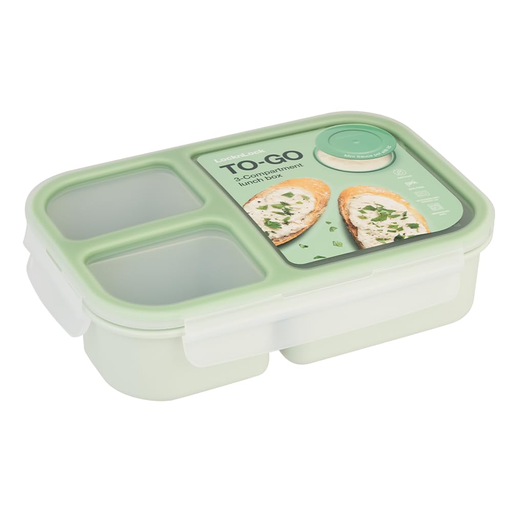
Why This Fits Their Persona: Perfect for professionals or students who want to pack a versatile meal. The compartments and separate sauce container allow for transporting salads with dressing, main courses with sides, or a bento box style meal.
The three compartments and integrated, sealed sauce container solve the problem of mixed ingredients. The 4-sided locking system with a silicone seal ensures reliable leak-proofing.
Thoughtful layout for maximum versatility. Made from BPA-free plastic, it's microwave- and freezer-safe for ultimate daily convenience.
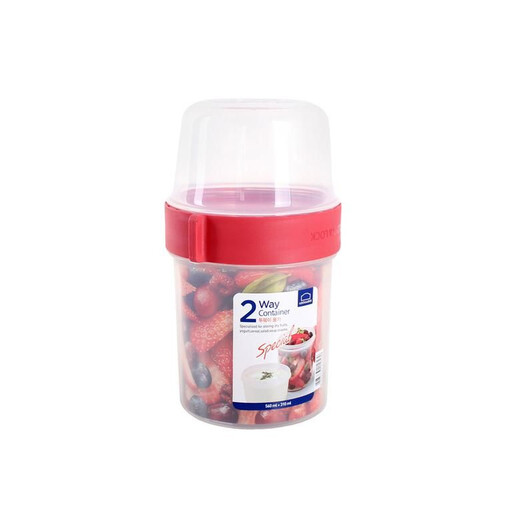
Why This Fits Their Persona: This on-the-go snack box is the solution for anyone who wants to transport yogurt and granola, veggie sticks and dip, or fruit and nuts separately. The compact, cylindrical shape fits into any bag.
The 2-in-1 design with two separate, screw-on chambers reliably prevents wet and dry ingredients from mixing—a classic problem of impractical compartment layouts.
Specialized design as a yogurt cup to go. The screw-top lid is secure and easy to handle. The set offers excellent value for money.
Whether for serving at home or taking on the go, explore a wide selection of containers curated based on objective criteria.
1. Are stainless steel lunch boxes really better than plastic ones? There's no one-size-fits-all answer; it depends on the intended use. Stainless steel is more durable, hygienic, and taste-neutral, but it's heavier and not microwave-safe. High-quality, BPA-free plastic is lighter, often microwave-safe, and shatterproof, but it can retain odors if not cared for properly. For pure storage and maximum hygiene, stainless steel is often the more solid choice; for flexible daily use that includes reheating in a microwave, plastic is more practical.
2. How do I clean a lunch box properly to prevent odors? Rinse the box with cold water immediately after use to minimize food residue from sticking. Most containers are dishwasher-safe; for a more thorough hand wash, use warm water and a mild dish soap. For stubborn odors in plastic containers, it can help to let the box sit overnight filled with a mixture of water and baking soda or vinegar. Always store the containers open to allow any residual moisture to escape.
3. Can I put hot food directly into my lunch box? This is generally not a problem for glass and stainless steel containers. You should be cautious with plastic containers. Very hot foods, especially those high in oil or sugar, can reach temperatures that may warp or damage the plastic. It is advisable to let the food cool for a few minutes before filling. Also, note that sealing a container with very hot contents can create a vacuum, making it difficult to open, or excess pressure, which can cause the lid to leak.