
Lieferung heute & morgen

Qualitätsgarantie

Willkommens-Angebote freischalten: KOSTENLOSE Lieferung | Bis zu 80 % RABATT | Kostenlose 30-Tage-JoyPlus-Testphase
App herunterladen
As a Joybuy Product Recommendation Officer, my role is to provide you with clear, objective information to help you make informed purchasing decisions. Luncheon meat is an extremely versatile and shelf-stable food product. Whether for quick meals, as part of an emergency food supply, or as an authentic ingredient in Asian cuisine, the sheer number of options can be overwhelming. This guide will introduce you to various choices and help you find the right product for your needs.
Choosing the right canned meat depends on your personal preferences and intended use. Here are some objective criteria to help you decide.
The meat content is a crucial indicator of the product's quality and flavour. A higher percentage of pork often suggests a firmer texture and a more intense meat taste. Pay close attention to the ingredient list to learn about other components. Common additives include:
The exact composition reveals the character of the product.
There are distinct differences between European and Asian styles of luncheon meat.
Consider how you primarily plan to use the luncheon meat.
Here is a presentation of various products available on the market. The descriptions are based on manufacturer specifications to provide you with an objective basis for comparison.
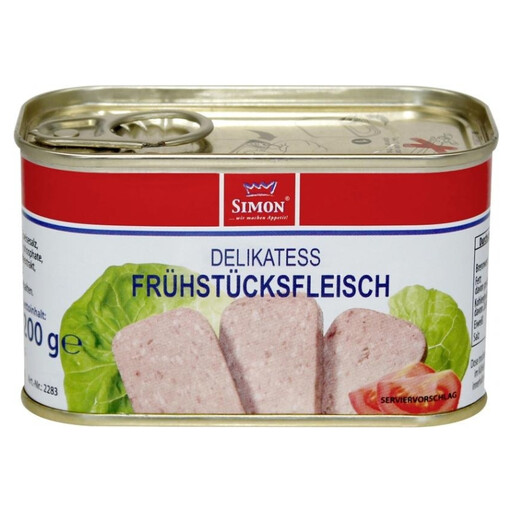
Why It Stands Out: With 86% pork content, this product represents the classic flavour of luncheon meat as it is known in Germany. The seasoning with herbs and spices provides a traditional aroma.
Pros:
Best For: Those who appreciate the familiar taste of German-style luncheon meat and want to enjoy it in a classic way, on bread or fried with an egg.
View Product: Simon Delikatess Breakfast Meat 200g

Why It Stands Out: Ma Ling is a legacy brand, renowned for its Asian-style luncheon meat since 1930. The recipe is a classic and an integral part of many Chinese dishes.
Pros:
Best For: Fans of Asian cuisine looking for an authentic luncheon meat for dishes like fried rice, Budae Jjigae (Korean army stew), or as a side dish. For those specifically looking to buy Spam to recreate Asian recipes, this is an excellent alternative.
View Product: Ma Ling Luncheon Meat 340g
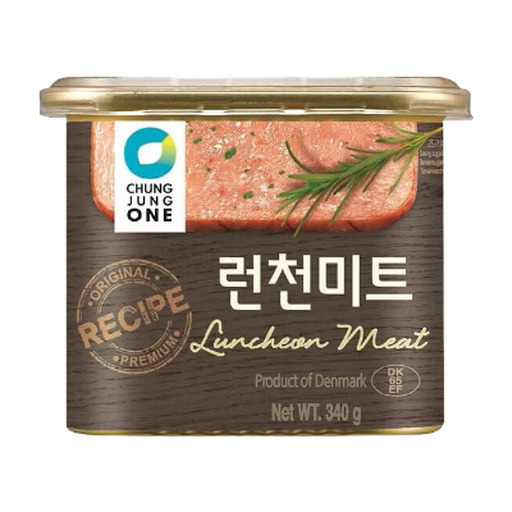
Why It Stands Out: With a declared pork content of 93%, this product places a clear focus on a high meat percentage. This promises a firm, sliceable texture and a pronounced meat flavour.
Pros:
Best For: Shoppers who prefer maximum meat content and a firm texture. Ideal for anyone who likes to pan-fry their luncheon meat in uniform slices until it's crispy on the outside.
View Product: Chung Jung One Luncheon Meat Pork 340g
The products featured here are just a sample of the available options. If you wish to discover more varieties or other types of canned meats, you will find a wider selection in our broader category.
Explore Our Entire Range of Canned Meats
1. What is the difference between luncheon meat and Spam? "Luncheon meat" is the generic term for this type of canned meat. "Spam," on the other hand, is a well-known brand name from the American manufacturer Hormel Foods. Although the name is often used synonymously, it refers to a specific brand product, much like "Kleenex" for facial tissues.
2. How do you prepare luncheon meat? Luncheon meat is pre-cooked and can be eaten cold directly from the can, for example, on bread. A popular preparation method is to pan-fry it: cut it into slices and fry on both sides until golden brown. It can also be diced and added to fried rice, noodle soups, stews, or casseroles.
3. How long does luncheon meat last after opening? After opening the can, the contents should be transferred to a resealable container and stored in the refrigerator. It is generally recommended to consume the product within 2 to 3 days. Always refer to the specific instructions on the product packaging.