
Lieferung heute & morgen

Qualitätsgarantie

Willkommens-Angebote freischalten: KOSTENLOSE Lieferung | Bis zu 80 % RABATT | Kostenlose 30-Tage-JoyPlus-Testphase
App herunterladen
Anyone looking to buy magnesium is often faced with a vast array of options—both online and in-store. The selection of powders, tablets, and granules is extensive, and the promises from manufacturers are diverse. However, not every product is suitable for every need. Misconceptions about dosage or ingredients can quickly lead to a purchase that fails to meet your expectations.
This guide will help you understand the crucial criteria. We'll show you which pitfalls to avoid and how to find a magnesium supplement that fits your individual requirements.
Before deciding on a product, it's helpful to be aware of common points of confusion that often lead to the wrong choice.
The Dosage Trap: Confusing Magnesium Compound with Pure Magnesium Many products advertise high milligram figures. A closer look is essential here. The number may refer to the weight of the entire magnesium compound (e.g., magnesium citrate) and not the actual content of pure, elemental magnesium. A product with "700 mg of magnesium citrate" might only contain around 110 mg of elemental magnesium. Therefore, always check the nutrition facts table for the pure magnesium content.
The Bioavailability Trap: Not Every Form is Absorbed Equally Well Not all magnesium is created equal. It is always offered in a bonded form as a salt (compound), such as magnesium oxide, magnesium citrate, or magnesium bisglycinate. These compounds differ in how well the body can absorb and utilise the magnesium they contain—a factor known as bioavailability. A high dose is of little use if the body can only absorb a small fraction of it.
To find the right supplement, three factors are key: the magnesium compound, the dosage combined with the delivery format, and any additional ingredients.
Choosing the right magnesium compound is a central consideration. Here is a brief overview of common forms:
The dosage should be based on individual needs. Products labelled high-dose magnesium, often with 400 mg of magnesium or more per daily dose, are frequently aimed at individuals with increased requirements, such as magnesium for athletes.
The delivery format affects daily use:
Some supplements combine magnesium with other vitamins and minerals. A combination of magnesium and vitamin B12, as well as other B vitamins, can contribute to normal energy-yielding metabolism and the normal functioning of the nervous system. For athletes, supplementing with potassium can also be beneficial, as both minerals play a role in normal muscle function and electrolyte balance.
Based on the criteria mentioned, we have compiled a selection of products for different user profiles.
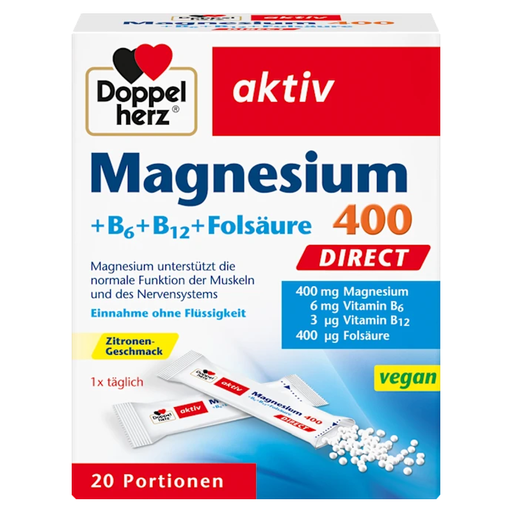
Why This Fits Their Persona: Ideal for individuals with an active lifestyle who need a simple and quick solution for on-the-go. The ability to take it without water makes it especially practical for the office or gym bag.
The nutrition facts table clearly states 400 mg of elemental magnesium per sachet, thus avoiding the dosage trap. The combination with B vitamins is designed for energy metabolism.
The format as direct magnesium granules allows for intake without any liquid. The formula is also vegan, gluten-free, and lactose-free.

Why This Fits Their Persona: Specifically for athletically active people who want to support their muscle function and electrolyte balance. The combination of these two minerals is tailored to the needs of physical exertion.
This product offers a targeted combination instead of a non-specific blend. The dosage of 400 mg of magnesium and 400 mg of potassium is clearly declared and geared towards athletic needs.
The formula supports both normal muscle function and electrolyte balance. Additional B vitamins, zinc, and iron contribute to a normal energy-yielding metabolism.
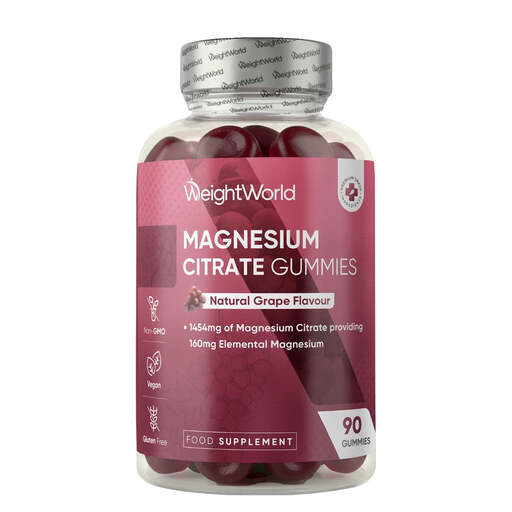
Why This Fits Their Persona: Perfect for anyone who has difficulty swallowing capsules or tablets. The gummies offer a pleasant and flavourful alternative for daily magnesium intake.
This product uses magnesium citrate, a form with good bioavailability. It focuses on the quality of absorption rather than just a high but poorly utilised dose.
Taking it as a chewable gummy is easy and enjoyable. The formula is vegetarian, gelatin-free, and contains no artificial fillers.
We've compiled a complete, up-to-date list of products that fully meet these strict selection criteria and comply with German regulations.
Yes, especially at high dosages. Amounts over 250 mg of magnesium per day can have a mild laxative effect on sensitive individuals. This occurs more frequently with inorganic compounds like magnesium oxide. If you react sensitively, it may help to reduce the dose or switch to an organic compound like magnesium bisglycinate. Food supplements are not a substitute for a balanced and varied diet and a healthy lifestyle. Always follow the manufacturer's recommended intake.
The main difference lies in bioavailability and tolerability. Magnesium citrate is an organic compound that is generally well-absorbed by the body and is considered gentler on the stomach. Magnesium oxide is an inorganic compound with a very high percentage of elemental magnesium, but its absorption in the body is considered less efficient, and it is more likely to have a laxative effect.
Not necessarily. An individual's magnesium requirement depends on many factors, including diet, stress levels, and physical activity. While athletes or people in stressful life phases may benefit from a high-dose intake, a lower dose may be sufficient for others to supplement their daily diet. The German Nutrition Society (DGE) recommends an intake of 300 to 350 mg of magnesium per day for adults through food. Food supplements are intended to supplement the diet, not replace it.