
Lieferung heute & morgen

Qualitätsgarantie

Willkommens-Angebote freischalten: KOSTENLOSE Lieferung | Bis zu 80 % RABATT | Kostenlose 30-Tage-JoyPlus-Testphase
App herunterladen
Make-up, sun cream and everyday environmental particles cannot all be removed equally well with every facial cleanser. An unsuitable product may require vigorous rubbing, leave behind an oily film or make your skin feel tight after cleansing. That is why it is particularly worth considering the texture, application and ingredients if you have sensitive, dry or blemish-prone skin.
This claim does not automatically mean that a product will suit everyone equally well. Fragrance, essential oils, certain botanical extracts or exfoliating acids may cause individual problems for sensitive skin. The complete INCI list on the packaging therefore remains the deciding factor.
Waterproof mascara, long-lasting lipstick and highly pigmented make-up can often be removed more easily with oil-based formulas. These include cleansing balms, cleansing oils and bi-phase products. A foaming facial cleanser can be useful as the second step of your routine, but it is not always designed to remove waterproof make-up as the first step.
Products containing salicylic acid, Capryloyl Salicylic Acid or tea tree extracts are often marketed for blemish-prone skin. However, this does not mean that every skin type will tolerate these ingredients without problems, or that enlarged pores will be permanently changed. With a make-up remover, the main considerations are whether the texture rinses off comfortably and whether it avoids putting unnecessary strain on the skin through rubbing.
If you have sensitive skin, check the ingredients list for fragrance, essential oils and potentially irritating ingredients. Creamy or balm-like textures are often more comfortable for dry skin than strongly degreasing formulas. For blemish-prone skin, lightweight textures that rinse off easily may be a sensible choice. Ingredients such as salicylic acid should not automatically be viewed as an advantage; they should fit into your personal skincare routine.
A make-up remover generally works better when you do not apply pressure:
If you wear contact lenses, have eyelash extensions or are known to have sensitive eyes, follow the relevant manufacturer’s instructions. Stop using the product if you experience burning, redness or persistent irritation.
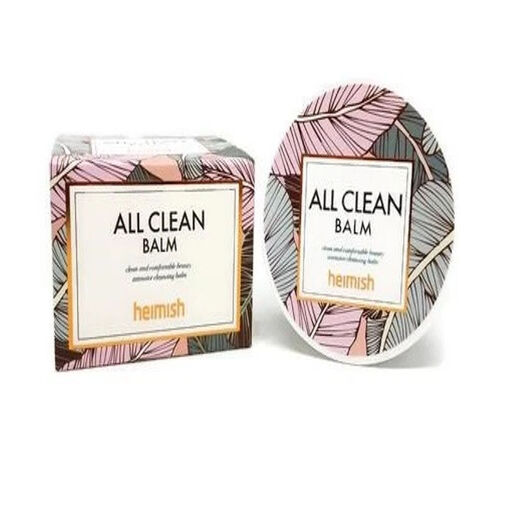
Why this product suits this profile: The compact 50 ml size is a good way to try a cleansing balm as part of your everyday routine or take it with you when travelling. According to the product description, the texture is intended to remove make-up, sun cream and everyday impurities.
Applying it with dry hands and emulsifying it afterwards reduces the risk of merely wiping a balm over the surface. Check the current ingredients list on the packaging before buying.
50 ml content; solid balm texture; intended for the first phase of a double-cleansing routine.
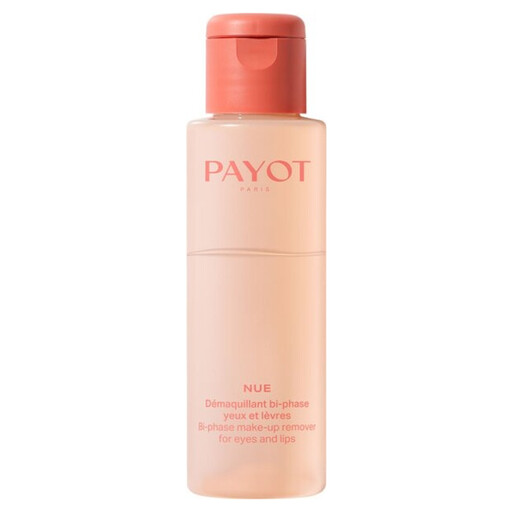
Why this product suits this profile: The bi-phase formula is designed to remove stubborn eye make-up, waterproof mascara and long-lasting lipstick. According to the product description, it contains 99% ingredients of natural origin.
Shake the bottle before application so that both phases combine. Holding the cotton pad in place briefly helps loosen make-up without vigorous rubbing.
100 ml content; bi-phase texture; according to the product details, suitable for sensitive eyes and contact lens wearers.
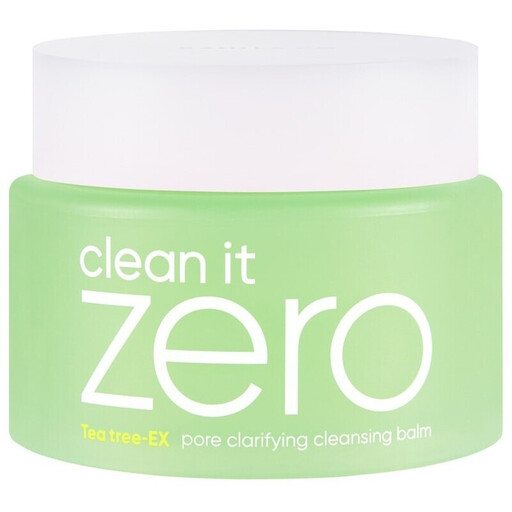
Why this product suits this profile: The 180 ml size is appealing to people who use balm cleansers regularly. The product description mentions salicylic acid, Capryloyl Salicylic Acid and tea tree extract.
The instructions call for emulsifying with water and rinsing thoroughly. Because it contains acids and botanical ingredients, it is sensible to check the current INCI list and carry out a cautious application test.
180 ml content; balm-to-oil-to-milk texture; intended as the first step of double cleansing.
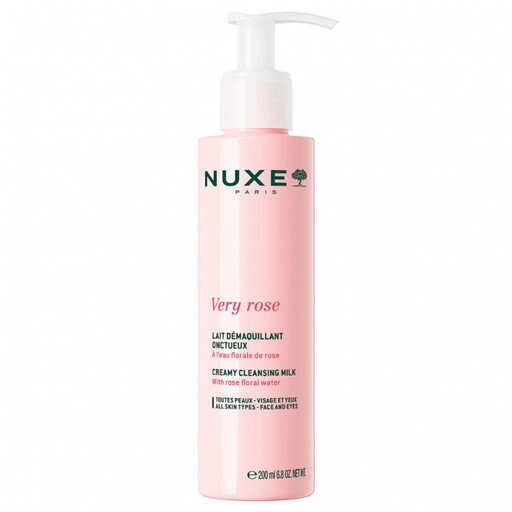
Why this product suits this profile: The creamy cleansing milk is intended for the face and eye area. According to the product description, 95% of its ingredients are of natural origin, and it is designed to leave skin feeling soft after cleansing.
The milky texture is an alternative to strongly foaming cleansers. With waterproof make-up, check before buying whether you need an additional eye make-up remover.
200 ml content; creamy milk texture; described as suitable for make-up and everyday impurities.
We have put together a complete, regularly updated list of products that fully meet these strict selection criteria and the safety regulations applicable in the EU.
Apply an oil-based make-up remover, cleansing balm or bi-phase remover and leave it to work briefly. Wipe from the inside out without applying pressure. You can then follow with a water-based facial cleanser. If you have sensitive eyes, avoid contact with the eyes.
That depends on the cosmetics you use and how your skin feels. With waterproof make-up, sun cream or long-lasting products, the first oil-based cleansing step may be useful. A second cleanser then removes water-soluble residue. On days when you wear little or no make-up, a simpler facial cleansing routine may be sufficient.
The best-before date printed on the packaging, the batch number and the PAO symbol, such as “6M” or “12M”, are the key points. Store the product in a cool, dry place away from direct sunlight. If its smell, colour or texture changes, stop using it.