
Lieferung heute & morgen

Qualitätsgarantie

Willkommens-Angebote freischalten: KOSTENLOSE Lieferung | Bis zu 80 % RABATT | Kostenlose 30-Tage-JoyPlus-Testphase
App herunterladen
The selection of mango drinks on the market is vast. From classic juices to exotic varieties with added ingredients, the differences in taste, texture, and origin can be significant. This guide is designed to help you understand the different types of mango drinks and make an informed choice that suits your personal taste. We'll provide objective criteria and a selection of products to make your decision easier.
As your Joybuy Product Recommendation Officer, my job is to provide you with clear, factual information so you can find exactly what you're looking for.
To find the right product, it helps to understand a few key characteristics. The following points will guide you on your next shopping trip.
The labels on the packaging give a direct indication of the composition and taste. In the EU, these terms are clearly defined:
Texture is a crucial factor in the drinking experience. A smooth, uniform drink is very different from a mango drink with pulp, which contains small pieces of fruit and provides a fuller mouthfeel.
A particularly interesting variation is the mango drink with Nata de Coco. Nata de Coco is a chewy, jelly-like product made from fermented coconut water. These small cubes add a fun, chewable component, turning the beverage into a refreshing snack drink.
Mangoes from different growing regions around the world have distinct flavour profiles.
If you're specifically looking to buy tropical drinks, the country of origin can be a useful indicator of the expected flavour experience.
Here is a selection of different mango drinks that cater to various tastes and expectations.
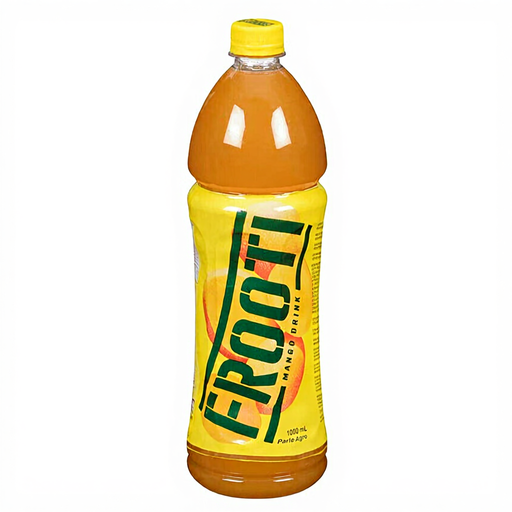
What sets it apart: Frooti is a well-known brand from India that offers a classic mango flavour experience. With a mango pulp content of 16.2%, this Mango Drink delivers an authentic, fruity taste that has been a favourite for generations. The recipe is designed for a refreshing and sweet character.
Pros:
Best for: Ideal for fans of the classic Indian mango flavour and families looking for a familiar, straightforward fruit drink. It's an excellent thirst-quencher when served chilled.
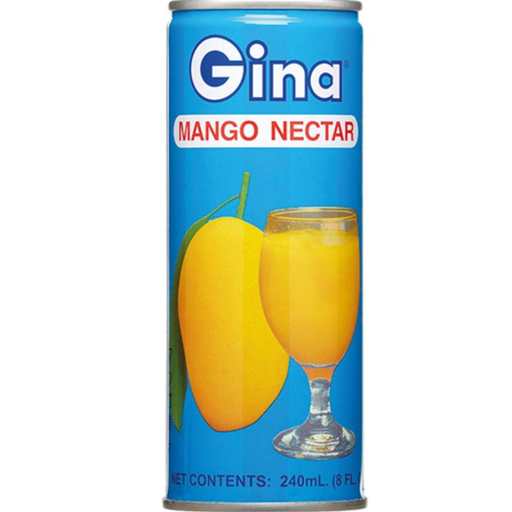
What sets it apart: This drink from the Philippines stands out due to its exceptionally high fruit content. With 35% mango puree, it falls into the nectar category, offering an especially dense, rich texture. The flavour is intense, capturing the natural sweetness of sun-ripened mangoes.
Pros:
Best for: Perfect for discerning drinkers who prefer a highly authentic and concentrated mango flavour. Its thick consistency also makes it a great base for desserts or cocktails.
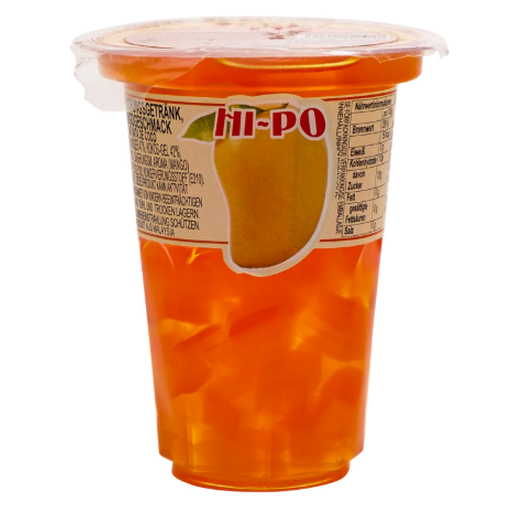
What sets it apart: This Thai beverage combines the taste of mango with a unique texture. The high content of 42% Nata de Coco (coconut jelly) makes every sip an experience with a pleasant chew. It's less of a pure drink and more of a combination of refreshment and a light snack.
Pros:
Best for: Anyone curious about new taste experiences and who enjoys drinks with texture. It's a great choice for young adults and the adventurous looking for a trendy, tropical beverage.
The selection presented here covers only a small part of the fascinating world of mango drinks. If you want to explore more varieties or other exotic flavours, you'll find a greater diversity in our broader category.
? Discover our entire range of juice drinks here
1. What is the difference between mango juice and mango nectar? The main difference is the fruit content. Mango juice must be 100% fruit. Mango nectar has a lower, but legally defined, minimum fruit content (25% for mango) and also contains added water and sugar. Nectars are therefore often sweeter and thicker.
2. What exactly is Nata de Coco in a mango drink? Nata de Coco is a chewy, translucent jelly made from fermented coconut water, originally from the Philippines. In drinks, it serves as a textural ingredient that adds an interesting, chewable element and enhances the drinking experience.
3. What is the best way to store opened mango drinks? After opening, a mango drink should always be stored in the refrigerator. To maintain its quality and flavour, it's advisable to consume the drink within a few days. Shake well before enjoying again, especially if it contains pulp or Nata de Coco.