
Lieferung heute & morgen

Qualitätsgarantie

Willkommens-Angebote freischalten: KOSTENLOSE Lieferung | Bis zu 80 % RABATT | Kostenlose 30-Tage-JoyPlus-Testphase
App herunterladen
The search for a refreshing and exotic beverage often leads to mango juice. However, the market is vast: from pure juice and nectar to mango drinks, there are numerous varieties that differ in taste, fruit content, and price. Choosing the right product can therefore be a challenge.
As your Joybuy Product Recommendation Officer, my role is to provide you with clear and objective guidance. This guide presents objective criteria for your purchasing decision and showcases a selection of products that stand out based on their stated specifications.
To find the product that's right for you, it's helpful to be familiar with a few key features. The following points will help you understand the differences between the various options available.
The designation on the packaging provides the first important clue about the contents. The EU Fruit Juice Directive sets clear rules here:
Packaging affects not only handling but also shelf life. A mango juice Tetra Pak is lightweight, shatterproof, and protects the contents from light, which helps preserve vitamin content. Glass bottles are recyclable but heavier. Size is also a factor: a 1L mango juice is ideal for family use or if you drink mango juice regularly, while smaller packs are convenient for on-the-go.
A look at the ingredients list and the nutritional table provides objective information. Pay attention to the declared fruit content, the amount of added sugar, and the presence of any additional flavourings or stabilisers. These details allow for a direct comparison between different products.
Based on the criteria mentioned above, we have compiled a selection of mango drinks. The descriptions focus on the product specifications provided by the manufacturer.
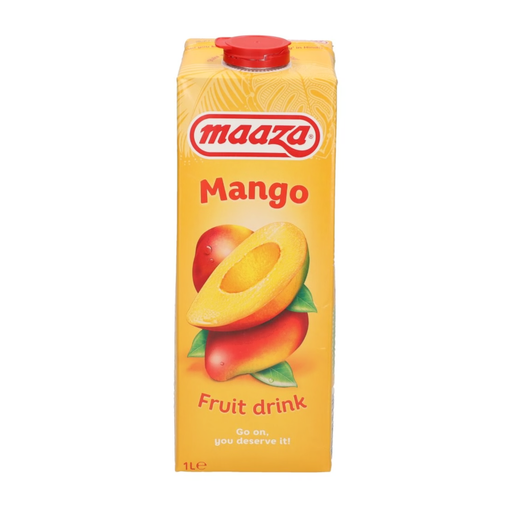
What makes it stand out: The Maaza Mango drink is made from mango purée with a fruit content of 17% and is packaged in an FSC-certified carton. According to the manufacturer, the product is suitable for vegetarian and vegan diets.
Advantages:
Who it's for: This drink is aimed at consumers looking for a classic mango drink who value eco-conscious packaging and a vegan formula.
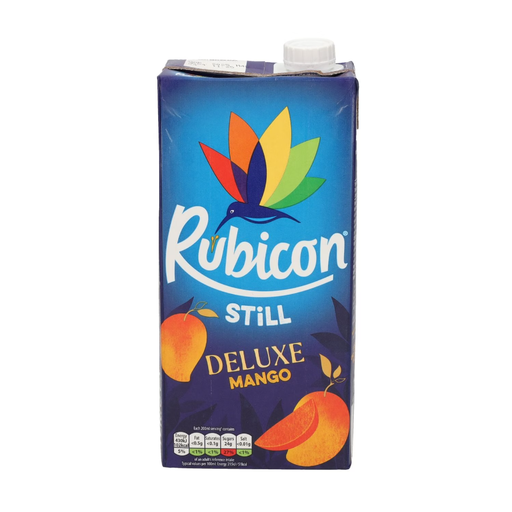
What makes it stand out: The Rubicon Mango drink is based on 16% mango purée and is enriched with Vitamin C. The formula aims for a rich, sweet mango flavour and uses guar gum and xanthan gum as stabilisers.
Advantages:
Who it's for: Ideal for shoppers who prefer a sweet mango drink with added Vitamin C and appreciate a consistent, smooth texture.
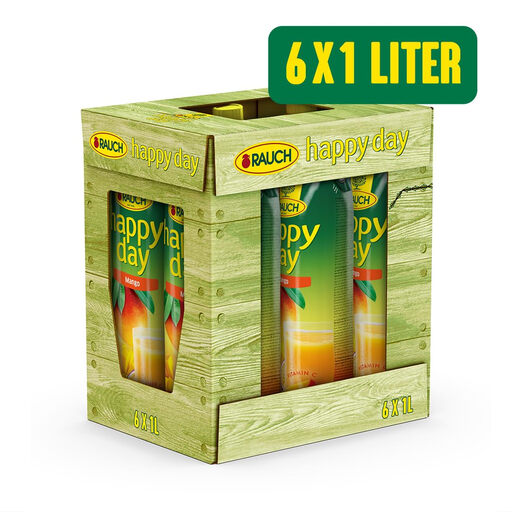
What makes it stand out: The Rauch Happy Day Mango stands out with a higher total fruit content of 24%. It combines 21% mango pulp with 3% passion fruit juice, giving it an additional fruity note.
Advantages:
Who it's for: This drink is a great choice for anyone who prefers a higher fruit content and enjoys the taste of mango combined with the subtle tartness of passion fruit.
This selection represents just a small part of our available range. If you are looking for other flavours, packaging sizes, or specific brands, you will find more alternatives with us.
Discover our entire range of 1L juices and find the perfect product for your taste.
The main difference lies in the fruit content. Fruit juice must contain 100% fruit. Mango nectar has a legally required minimum fruit content of 25% and may contain added sugar. A mango fruit juice drink (or mango drink) typically has the lowest fruit content and often includes additional ingredients like sugar, water, and flavourings.
Unopened, mango juice in a Tetra Pak should be stored in a cool, dry place away from light. After opening, the juice belongs in the refrigerator and should be consumed within 3 to 4 days, as recommended by most manufacturers, to ensure freshness.
The sugar content varies greatly depending on the product. While pure fruit juice only contains the sugar naturally present in the fruit, nectars and fruit juice drinks often have added sugar. A look at the nutritional table on the packaging provides precise information about the sugar content per 100 ml.