
Lieferung heute & morgen

Qualitätsgarantie

Willkommens-Angebote freischalten: KOSTENLOSE Lieferung | Bis zu 80 % RABATT | Kostenlose 30-Tage-JoyPlus-Testphase
App herunterladen
The search for the right matcha can quickly become complex. The vibrant green powder has arrived in cafés and kitchens across the country, but the growing supply also brings a lack of clarity. Many products promise high quality, but not all live up to their packaging's promise. This guide will help you recognise the key features and make an informed choice that suits your taste and intended use.
Before you make a decision, it's important to know some common pitfalls:
Matcha Latte Powder perceived as healthy can, upon closer inspection, consist mainly of sugar and milk powder, while the actual matcha content is negligible. A look at the ingredients list is essential here.Japanese green tea for matcha is made from shade-grown tea leaves (Tencha) and traditionally ground very finely in stone mills. Products without a clear declaration of origin are often just simple green tea powder, which tastes more bitter and has a less vibrant colour.To make a good purchasing decision, you should consider three key aspects. These will help you objectively evaluate the quality of a matcha product.
The most important distinction lies in the intended use. The quality grade significantly determines the taste, colour, and price.
matcha powder is sourced from the youngest, most delicate tea leaves of the first harvest. It is characterised by a brilliant jade-green colour, an extremely fine texture, and a distinct umami flavour with only minimal bitterness. It is intended for pure enjoyment, prepared with water, as in a matcha tea ceremony.matcha for baking, for smoothies, or as a base for a matcha latte, as its flavour holds up even when combined with milk and other ingredients.Origin is a strong indicator of quality. Japan, particularly the Uji region near Kyoto, is renowned worldwide for producing high-quality matcha. Look for products that transparently state their origin.
Another point is purity. A high-quality, pure matcha powder should contain only one ingredient: 100% green tea powder. Products labelled Organic Matcha also meet the criteria for organic farming, which ensures no synthetic pesticides or fertilisers are used. For ready-made mixes like latte powders, it is advisable to look for a short ingredients list and the lowest possible sugar content, ideally sugar-free matcha or those with natural sweeteners.
To make your choice easier, we have put together some products based on different needs and applications.
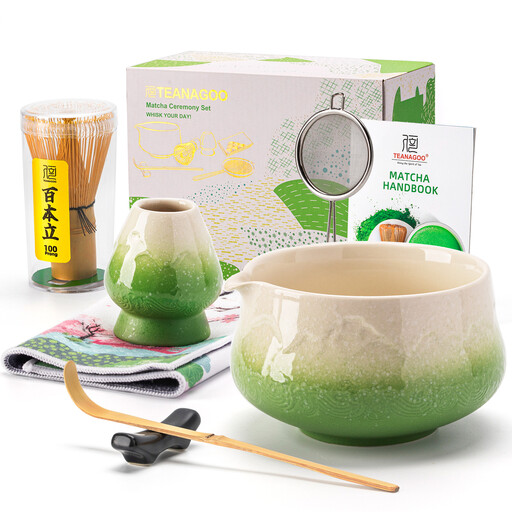
Why This Fits Their Persona: Ideal for beginners who want to learn traditional preparation from the ground up. This set provides all the necessary tools for an authentic matcha experience at home.
It solves the problem of not knowing which accessories are needed. Instead of individual, potentially mismatched pieces, you get a complete, coordinated Matcha Set.
Comprehensive 7-piece set including a bowl with a spout, bamboo whisk (Chasen), whisk holder, and sifter. The ceramic parts are lead- and mercury-free.
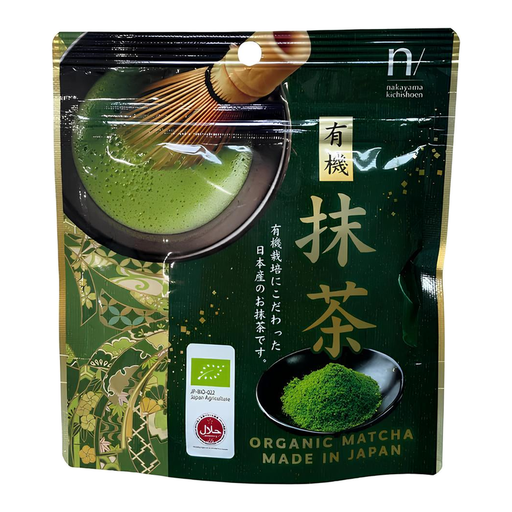
Why This Fits Their Persona: Perfect for purists and connoisseurs seeking the authentic, unadulterated taste of high-quality matcha for traditional preparation.
This product bypasses the trap of misleading quality labels. It is a pure Organic Matcha powder from Japan with no additives, meeting high standards for purity and origin.
100% organic green tea from Japan. Offers a delicate, grassy umami aroma with sweet notes, ideal for ceremonial preparation.
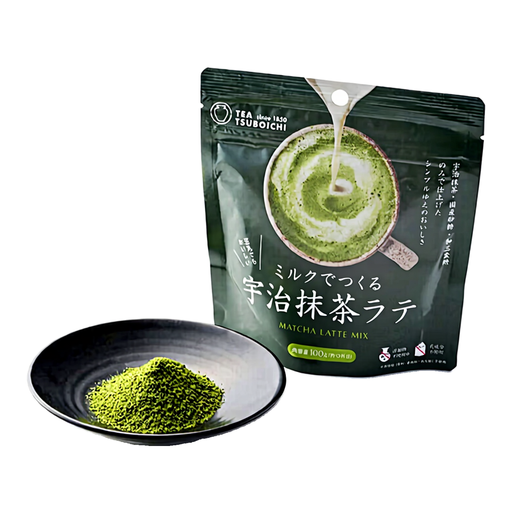
Why This Fits Their Persona: For anyone who loves the creamy taste of a matcha latte but is short on time. This mix allows for café-quality preparation in seconds.
Unlike many instant mixes with long, artificial ingredient lists, this product relies on a simple recipe of beet sugar and real Uji Matcha, thus avoiding the sugar trap.
Made by a traditional tea house in Japan. The powder dissolves easily in both hot and cold milk and offers a balanced, natural sweetness.
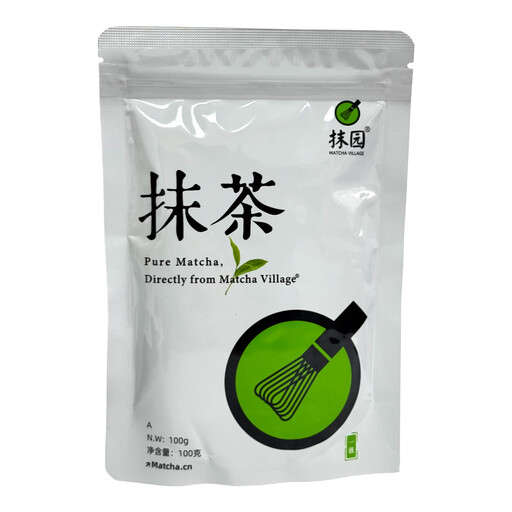
Why This Fits Their Persona: For home bakers and cooks looking for a versatile powder as an ingredient for cakes, desserts, ice cream, or savory dishes, who value intense color and a robust flavor.
This product is clearly labeled as an ingredient. This prevents you from accidentally buying a culinary powder for pure consumption and being disappointed by a bitter taste.
Versatile as an ingredient for cooking and baking. The 100g package offers great value for regular culinary use.
We've compiled a complete, up-to-date list of products that fully meet these strict selection criteria.
Matcha is sensitive to light, heat, and oxygen, which can degrade its colour and flavour. After opening, store the powder in an airtight, opaque container in the refrigerator. This will preserve its fresh aroma and vibrant green colour for the longest time.
A bitter taste can have several causes. You might be using a culinary-grade matcha powder, which is naturally more astringent. Another common cause is using water that is too hot. The water for preparation should be no hotter than 80°C, as boiling water destroys the delicate flavours and releases bitter compounds. Insufficient whisking can also lead to an uneven, bitter taste.
A complete set is not strictly necessary, but a bamboo whisk (Chasen) is highly recommended for a good result. Its fine bristles allow you to whisk the powder until it's free of clumps and create a fine, creamy foam, which is nearly impossible to achieve with a conventional whisk or spoon. For beginners, a set can make getting started in the world of matcha much easier.