
Lieferung heute & morgen

Qualitätsgarantie

Willkommens-Angebote freischalten: KOSTENLOSE Lieferung | Bis zu 80 % RABATT | Kostenlose 30-Tage-JoyPlus-Testphase
App herunterladen
Preparing matcha is more than just brewing tea; it's a ritual that promotes calm and focus. The right Matcha Set is the foundation for this experience. However, the market is flooded with offers that look appealing at first glance but often reveal flaws upon closer inspection. Many buyers invest in sets with mismatched components or those made from low-quality materials. This guide will show you what to look for to avoid the most common pitfalls and find a functional, long-lasting Matcha Tea Set.
Before we dive into quality features, it's important to understand the typical issues that can lead to a disappointing purchase.
To avoid these mistakes, you should carefully examine the following three parameters when choosing a set. They are crucial for the functionality and longevity of your Matcha Accessories.
The whisk is the heart of every set. Look for these features:
The bowl is more than just a vessel. Its shape directly influences the outcome of the preparation.
A good Matcha Preparation Set should include all the necessary tools for a seamless process. The basic equipment includes:
Some more comprehensive sets, which are also suitable as a Matcha Set Gift, additionally include a fine-mesh sieve to remove clumps and a tea cloth (Chakin).
Based on the criteria above, we have identified products that offer a suitable solution for specific needs.
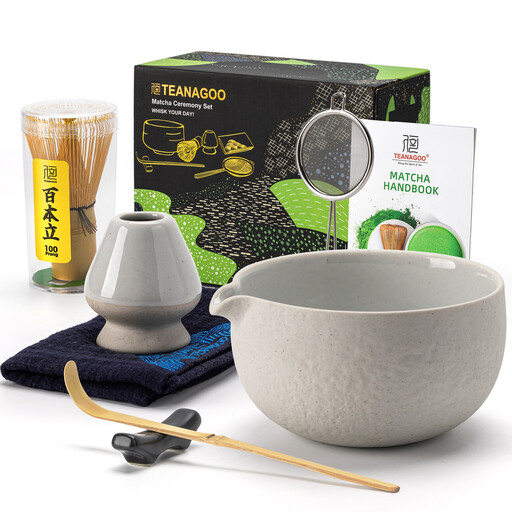
Why This Fits Their Persona: This set is ideal for beginners who want to start immediately with a complete and functional kit without extensive searching. It includes all seven essential components, including a sieve and tea cloth, relieving the user of the worry of having forgotten something important. The spout on the bowl is a practical detail for anyone who enjoys making matcha lattes.
It bypasses the "incomplete set" trap by including a whisk holder (Kusenaoshi). According to the manufacturer, the ceramic is lead- and cadmium-free, and the bamboo is treated with vegetable oil, avoiding the material trap. The handmade whisk with 76 tines is designed for good foam creation.
Completeness: The 7-piece set offers an all-in-one solution. Functional Design: The 510 ml bowl with a spout is practical for both traditional preparation and matcha lattes.
We have compiled a complete, real-time list of products that fully satisfy these strict selection criteria and UK safety regulations.
Immediately after use, rinse the whisk thoroughly under lukewarm water without using soap or detergent. Gently shake off excess water and place it on the ceramic whisk holder (Kusenaoshi) to dry. This ensures the tines keep their shape and can air-dry completely, which prevents mould growth.
The whisk holder serves two important functions. First, it preserves the delicate, outward-curved shape of the bamboo tines, which is crucial for frothing the matcha. Second, it allows for complete air circulation, so the whisk can dry quickly and evenly after cleaning. Without a holder, the tines would clump together and could start to mould.
In theory, it's possible, but not recommended. A proper matcha bowl (Chawan) is specifically designed for the process. Its wide, flat bottom allows the whisk to effectively mix the powder without clumping. The high, straight sides prevent the tea from splashing out during the rapid whisking motion. A tapered cereal bowl makes this process significantly more difficult.