
Lieferung heute & morgen

Qualitätsgarantie

Willkommens-Angebote freischalten: KOSTENLOSE Lieferung | Bis zu 80 % RABATT | Kostenlose 30-Tage-JoyPlus-Testphase
App herunterladen
As your Joybuy Product Recommendation Officer, I see it as my duty to bring clarity to the often-overwhelming world of cosmetic products. Unwanted shine on the T-zone or makeup that melts away after just a few hours are common problems. A mattifying powder promises a solution, but the selection is vast, and not every product delivers on its promise. Before you make a decision, you should be aware of the typical pitfalls that can lead to an unflattering result.
The 3 Most Common Mistakes When Buying Mattifying Powder:
To avoid these issues, it's crucial to understand the fundamental properties of a powder and to tailor the product to your own needs.
Instead of being guided by marketing promises, you should focus on objective criteria. Three factors are decisive for a powder's functionality.
The form a powder comes in largely determines its application and effect.
The choice of colour or transparency depends on the goal you want to achieve.
For users with normal to oily skin, the ingredients that absorb excess sebum are crucial. Look for formulations containing sebum-absorbing minerals.
A good powder for oily skin combines these properties to create a matte, yet natural-looking complexion.
Based on the criteria mentioned, we have identified several products that are suitable for different needs and user profiles.
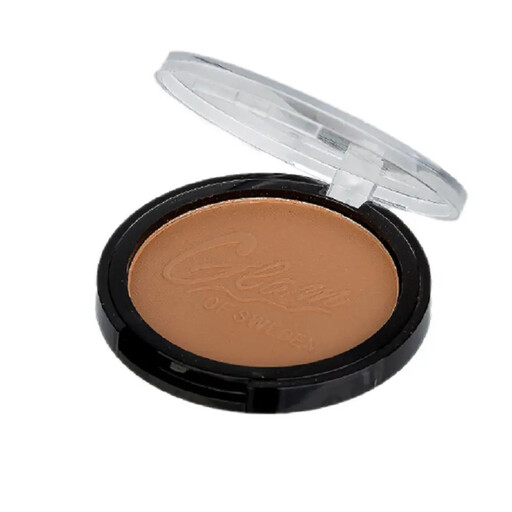
Why This Fits Their Persona: This pressed powder offers a straightforward and effective solution for daily shine control. It is ideal for those looking for a reliable, basic product for their handbag without investing a large budget.
As a pressed powder, it's easy to control the amount you use. Applied thinly with a brush, it avoids the "cakey" effect that can occur from applying too thick a layer of powder.
Provides a natural, matte finish and is practical for touch-ups throughout the day thanks to its compact format.
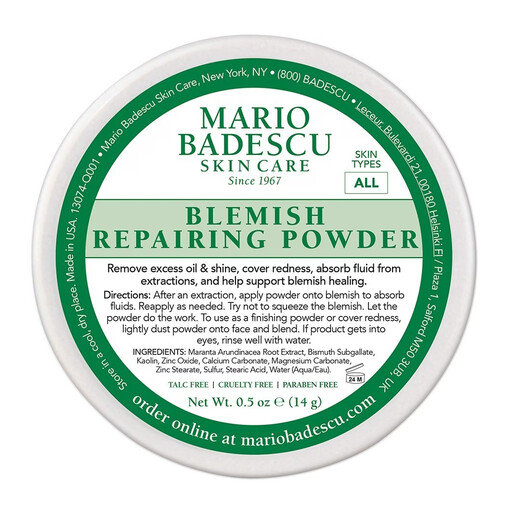
Why This Fits Their Persona: This product is specifically designed for skin prone to blemishes. It not only mattifies but also contains ingredients aimed at reducing the appearance of redness and pimples.
Instead of just covering up blemishes, the formula is designed to absorb moisture and soothe problem areas. It avoids further clogging the pores.
Contains Kaolin and Zinc Oxide. Can be used as a spot treatment on blemishes or as an all-over finishing powder.
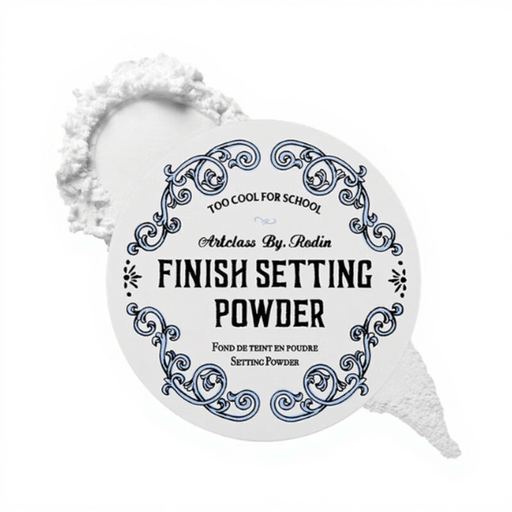
Why This Fits Their Persona: This translucent setting powder is designed for users who want a professional, soft-focus complexion. It is ideal for setting makeup for long-lasting wear and visually minimising pores and fine lines.
The extremely fine, translucent texture lays like a veil on the skin without settling or leaving a visible film. The risk of "flashback" is minimised by the formulation.
Creates a powerful soft-focus effect for a pore-refined complexion. The vegan formula instantly absorbs oil and ensures a long-lasting matte finish.
We have compiled a complete, up-to-date list of products that fully meet these strict selection criteria and UK regulations.
1. How do I apply mattifying powder correctly to avoid the cakey effect? The key is using the right amount and the right tool. Use a large, fluffy powder brush instead of a puff. Pick up a small amount of powder, tap the excess off on the back of your hand, and apply the product to the skin using gentle pressing and rolling motions. Avoid wiping the powder across the skin, as this can disturb the foundation underneath.
2. What is the difference between a setting powder and a fixing powder? Although the terms are often used interchangeably, there is a technical difference. A setting powder is typically a fine, often loose powder used to "set" liquid or cream products (like foundation) by absorbing oils and preventing them from shifting. A fixing powder often goes a step further, containing ingredients that form a resilient film on the skin to lock in the entire makeup look for many hours, making it more resistant to sweat or humidity. For daily use, a setting powder is usually sufficient.
3. Can I use mattifying powder without foundation? Yes, absolutely. A mattifying powder, especially a translucent one, can be applied directly to cleansed and moisturised skin. It helps to control unwanted shine and refine the skin's appearance without the need for a full makeup base. This is an excellent option for a minimalist, natural look or for days when you only want to mattify the T-zone.