
Lieferung heute & morgen

Qualitätsgarantie

Willkommens-Angebote freischalten: KOSTENLOSE Lieferung | Bis zu 80 % RABATT | Kostenlose 30-Tage-JoyPlus-Testphase
App herunterladen
By the Joybuy Product Recommendation Officer, August 28, 2026
Finding the right facial sunscreen can be a challenge for those with oily or blemish-prone skin. Many products leave behind a greasy film, clog pores, or cause unwanted shine. As a result, this crucial step of daily sun protection is often skipped entirely. But it doesn't have to be this way.
The difficulty isn't a lack of options, but rather misleading product claims and formulations unsuitable for this skin type. Before making a decision, it's helpful to understand the common pitfalls that can lead to a purchase you'll regret.
An informed choice is based on understanding key product features, not marketing slogans.
To find a sunscreen that protects without weighing down your skin, you should check three core parameters. These will help you objectively evaluate a product's suitability.
For oily skin, texture is everything. Heavy creams can block pores and leave an unpleasant, sticky feeling. A lightweight facial sunscreen in the form of a gel, fluid, or a very light lotion is usually the superior option.
Look for terms like "gel-cream," "fluid," or "aqua-gel," as these indicate a texture suitable for oily skin.
The term non-comedogenic means the formula is designed not to clog pores, thus preventing the formation of blackheads and pimples. A sunscreen for acne-prone skin should always have this property.
Check the ingredient list for:
An oil-free sunscreen is a good starting point, but the entire formulation has to be right.
A high sun protection factor is essential for protecting the face, especially to prevent photoaging and dark spots. A facial sunscreen with SPF 50 offers high protection against UVB rays, which are responsible for sunburn.
Equally important is broad-spectrum protection, which also shields against UVA rays. These penetrate deeper into the skin and are a primary cause of skin ageing and wrinkles. Look for the UVA logo (a circle with "UVA" inside) on the packaging, which indicates compliance with EU recommendations for UVA protection.
Based on the criteria above, we have identified several products suited to the different needs of people with oily skin.
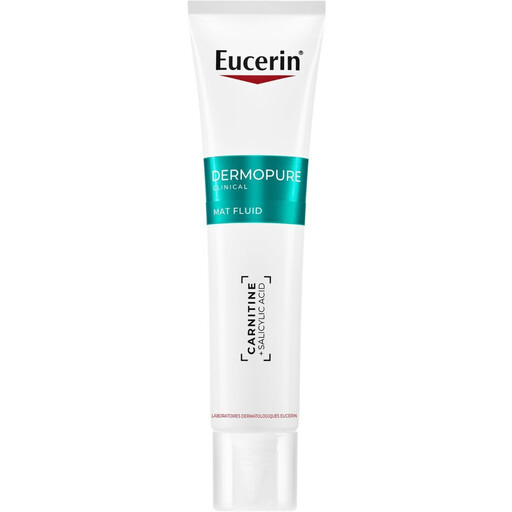
Why This Fits Their Persona: This fluid is designed for those seeking reliable daily care that both moisturises and actively combats shine and blemishes. It functions as a day cream with SPF for oily skin and is ideal for use under makeup or on its own.
It bypasses the short-lived matte effect trap by offering what the manufacturer claims is an 8-hour anti-shine effect. The formula is explicitly non-comedogenic and tailored to the needs of blemish-prone skin.
Contains salicylic acid, which can help refine the skin's texture. The texture is a lightweight fluid that absorbs quickly.
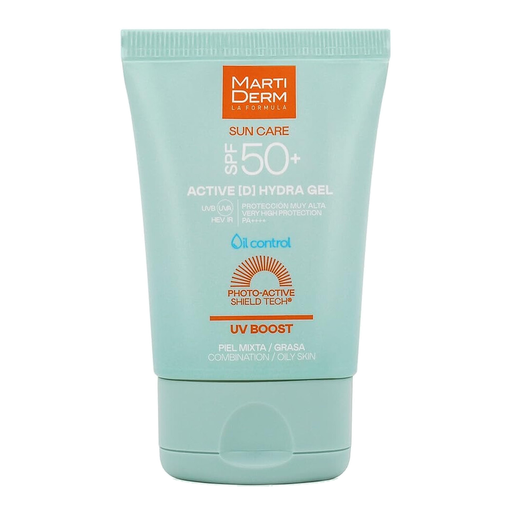
Why This Fits Their Persona: Ideal for active individuals who need a high-performance, sweat-resistant sunscreen. The gel texture feels light even during physical exertion and won't run into the eyes.
This product avoids the pitfall of heavy, high-SPF creams. As a true gel, it provides high protection (SPF 50) without weighing down the skin or leaving a sticky residue, which is often a nuisance during sports.
The formula is sweat-resistant and fragrance-free, increasing its suitability for sensitive skin. Its Photo-Active Shield Technology offers protection against UVA, UVB, infrared, and blue light.
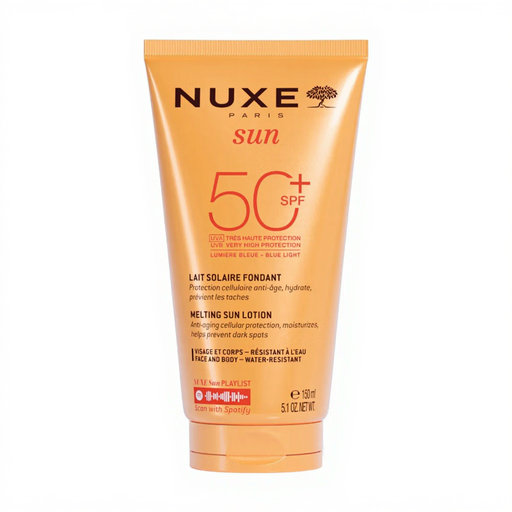
Why This Fits Their Persona: Suitable for those with combination or oily skin who desire a nourishing effect without sacrificing a lightweight feel. The "melting" texture provides a pleasant skin sensation and high protection.
This product refutes the assumption that nourishing sunscreens must be heavy. It contains rice powder and talc to ensure a mattified finish, while the lotion itself provides moisture and doesn't feel greasy.
Combines high SPF 50 protection with antioxidant extracts (rosemary, vitamin E) that protect against photoaging. The texture absorbs quickly, leaving the skin feeling supple.
We have compiled a complete, up-to-date list of products that fully meet these strict selection criteria and all relevant safety standards.
Yes, many modern mattifying sunscreens, especially those formulated as fluids or gel-creams, contain hydrating ingredients like hyaluronic acid or glycerin. For most people with oily skin, such a product can be sufficient as a 2-in-1 solution for morning moisture and sun protection.
The general recommendation is to reapply sunscreen every two hours, especially after sweating, swimming, or towel-drying. For oily skin, it can be helpful to gently remove excess sebum with a blotting paper before reapplication. This prevents a layered build-up of product and oil that could clog pores.
No. Breakouts from sunscreen (often referred to as "acne aestivalis" or Mallorca acne) are frequently caused by comedogenic ingredients or a reaction between UV filters and the skin's own sebum. A sunscreen for acne-prone skin should therefore always be labelled as non-comedogenic. Lightweight, oil-free formulas with modern, stable UV filters have a significantly lower potential to cause blemishes.