
Lieferung heute & morgen

Qualitätsgarantie

Willkommens-Angebote freischalten: KOSTENLOSE Lieferung | Bis zu 80 % RABATT | Kostenlose 30-Tage-JoyPlus-Testphase
App herunterladen
Choosing the right mayonnaise can be a challenge given the variety on the shelf. Whether for a classic potato salad, a dip for fries, or as a base for a sandwich—the right kind makes all the difference. This guide is designed to help you make an informed decision by presenting various mayonnaise types based on their properties and uses. We focus on objective criteria so you can find the product that meets your needs.
To make the right choice, some basic knowledge about the different types of mayonnaise is helpful. Here are three points to consider in your decision.
In Germany, the designations for mayonnaise are regulated by guidelines for delicatessen products. This gives you a clear orientation:
Traditional mayonnaise is based on egg yolk and oil. However, there are numerous alternatives for different dietary needs:
Not every mayonnaise suits every dish. A thick, rich mayonnaise for fries offers a different taste experience than a lighter version for a summer salad. Think about what you primarily want to use the mayonnaise for. For burgers and sandwiches, a spreadable consistency is advantageous, while a more liquid version may be more practical for dressings.
Here you will find a selection of different mayonnaise varieties that stand out for their specific properties.
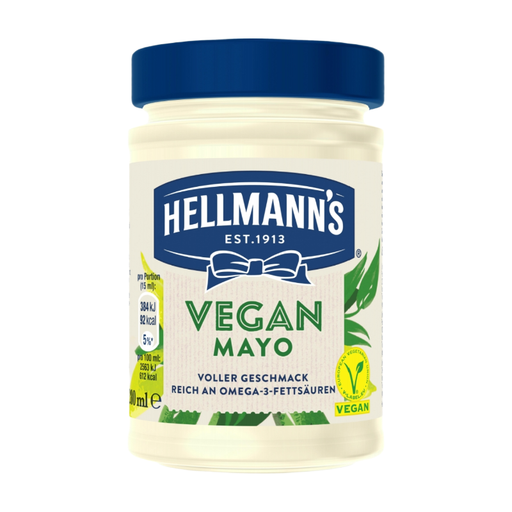
What makes it stand out: This vegan mayonnaise from Hellmann's offers the creamy taste of the original but is 100% plant-based. It is made with rapeseed oil and, according to the manufacturer, is rich in omega-3 fatty acids. The product carries the V-Label and is free from artificial colours and flavour enhancers.
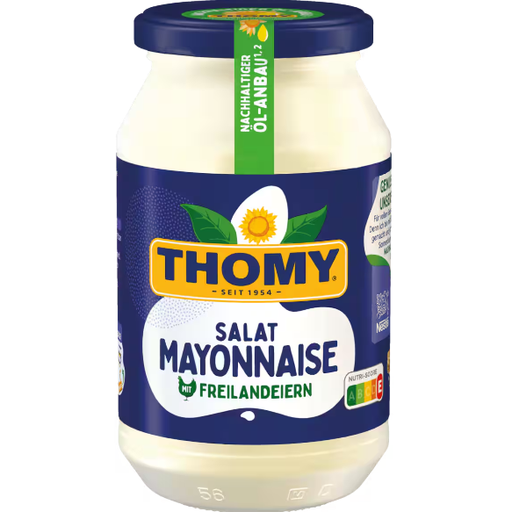
What makes it stand out:Thomy Mayonnaise is a classic among salad mayonnaises. With 50% sunflower oil and yolk from free-range eggs, it offers a balanced creaminess. Its recipe is specially designed for preparing potato and pasta salads.
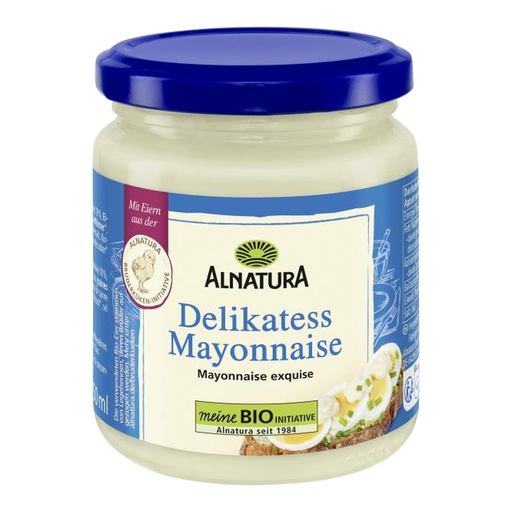
What makes it stand out: This delicatessen mayonnaise from Alnatura is made exclusively with ingredients from organic farming. With 78% sunflower oil and organic egg yolk, it has a full-bodied flavour and a rich texture. It is a great choice for anyone who values organic quality.
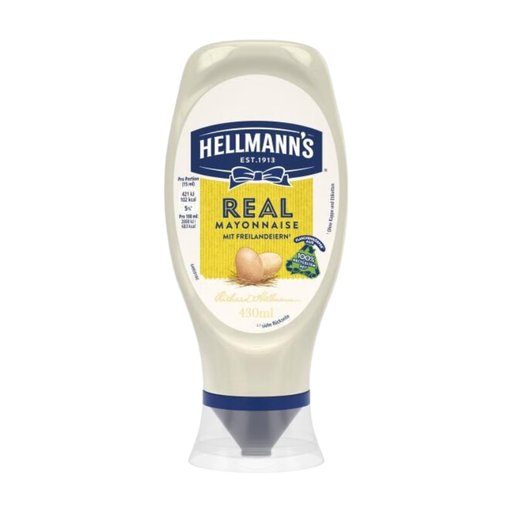
What makes it stand out: The "Real" version of Hellmann's Mayonnaise is an internationally renowned classic. Made with free-range eggs and a high oil content of 78%, it offers a particularly creamy and thick consistency. It is versatile and a popular mayonnaise for fries and burgers.
If you are interested in other sauces besides mayonnaise, you will find a wide selection of products to enhance your dishes in our Mustard & Relish category.
The main difference lies in the fat content, which is legally regulated in Germany. Classic or delicatessen mayonnaise must have a fat content of at least 70%. Salad mayonnaise (or salad cream) has a lower fat content of at least 50%. This generally makes it lighter and slightly more liquid in consistency.
Once opened, mayonnaise should always be stored in the refrigerator. The exact shelf life varies depending on the product and its ingredients. Always follow the manufacturer's instructions on the label. As a general rule, the product should be consumed quickly after opening, often within a few weeks.
Whether a vegan mayonnaise is healthier depends on individual dietary goals. Since it is made without eggs, it is naturally cholesterol-free. However, the calorie and fat content can be just as high as in conventional mayonnaise, as it is also primarily based on oil. A look at the nutritional information panel of the respective product will provide the exact values. The choice is therefore a matter of personal preference and dietary requirements.