
Lieferung heute & morgen

Qualitätsgarantie

Willkommens-Angebote freischalten: KOSTENLOSE Lieferung | Bis zu 80 % RABATT | Kostenlose 30-Tage-JoyPlus-Testphase
App herunterladen
As a Joybuy Product Recommendation Officer, I see daily how small details separate a great product from an unsuitable one. This is especially true for men's sports socks. They are often treated as an afterthought, yet the wrong choice can quickly lead to discomfort and hinder performance. So, before you invest in another pair that disappears into the back of your drawer after a few weeks, let's shine a light on the common pitfalls.
Many buyers grab socks that look appealing but have critical functional flaws. Three common problems are:
The good news is that these problems can be avoided with a conscious choice. It's all about recognising the right features and paying attention to the appropriate specifications.
To separate the wheat from the chaff, you should check three core parameters. These define whether a sock is suitable for your needs or not.
The material is crucial for moisture management and how the sock feels. Pure men's cotton ankle socks are soft but tend to retain moisture. For athletic activities, performance fibres or blended fabrics are often the better choice.
Depending on the activity, your feet are exposed to different levels of stress. Cushioned sports socks offer targeted protection here.
A good fit is more than just the right size. Specific design features prevent friction and ensure a stable hold.
Based on these objective criteria, we have identified some products that are particularly well-suited for specific user profiles.
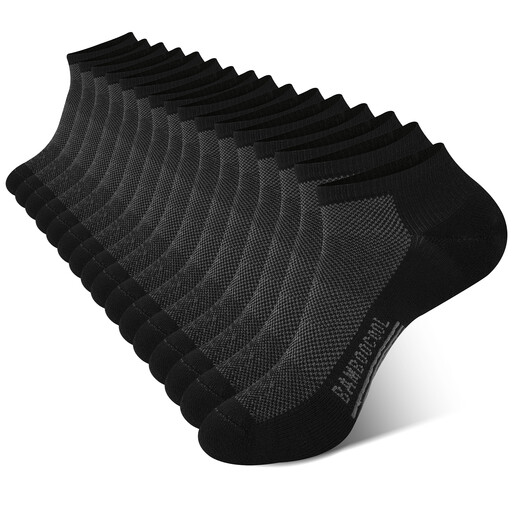
Why This Fits Their Persona: Ideal for users seeking a reliable sock for various activities—from the gym to gardening to daily use. The practical multi-pack of socks offers great value for money for regular needs.
The moisture-wicking fabric counteracts the "moisture trap," while the reinforced construction at the heel and toe prevents the problem of rapid wear and tear.
The combination of full-sole cushioning and arch support ensures comfort and helps reduce foot fatigue.
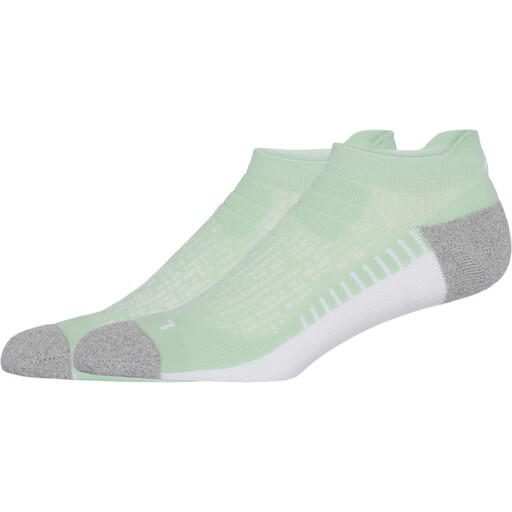
Why This Fits Their Persona: Specifically designed for runners who value performance during intense training sessions. This sock focuses on lightness, breathability, and friction prevention.
The seamless construction minimises friction points that lead to blisters. Advanced moisture management keeps feet dry, and the elastic band prevents slipping inside the shoe.
Targeted, lightweight cushioning in high-impact zones provides protection without adding bulk. The lightweight structure ensures optimal ventilation.
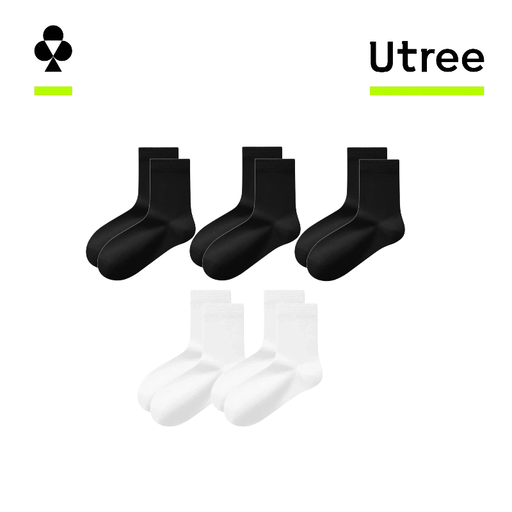
Why This Fits Their Persona: Perfect for long days at the office or in business meetings. This sock combines the comfort of pure cotton with functional details for a pleasant feel in business shoes.
The highly elastic cuff prevents slipping without constricting. The seamless toe area and 3D heel cup ensure an irritation-free fit, even after hours of wear.
Made from Xinjiang long-staple cotton, known for its softness and breathability. The antibacterial properties (10A standard according to the manufacturer) help maintain freshness.
We have compiled a complete, up-to-date list of products that fully meet these strict selection criteria and current regulations.
There is no single "best" material. The choice depends on the intended use. For intense, sweat-inducing activities, synthetic fabrics like polyester or polyamide are often advantageous due to their moisture-wicking properties. For moderate sports or everyday wear, a blended fabric with a cotton component can offer a good compromise between comfort and function.
Yes, they can contribute significantly. Two key factors are crucial here: first, good moisture management that keeps the skin dry, and second, a seamless, low-friction construction that avoids pressure points. A correct fit that prevents the sock from slipping inside the shoe is also essential.
Always follow the manufacturer's care instructions. Generally, it is advisable to wash performance socks at low temperatures (30-40°C) and to avoid fabric softener, as it can clog the pores of the functional fibres and impair breathability. Air drying is gentler than using a tumble dryer and preserves the elasticity of the fibres.