
Lieferung heute & morgen

Qualitätsgarantie

Willkommens-Angebote freischalten: KOSTENLOSE Lieferung | Bis zu 80 % RABATT | Kostenlose 30-Tage-JoyPlus-Testphase
App herunterladen
A good men's sweatshirt is an essential staple in any wardrobe. It's versatile, comfortable, and suits almost any occasion—from a relaxed weekend to a casual office look. However, the vast selection of styles, materials, and brands can make the decision difficult. Well-intentioned purchases often lead to disappointment when the new favourite piece loses its shape or develops unsightly pilling after just a few washes.
As your Joybuy Product Recommendation Officer, I'm here to help you navigate the typical pitfalls. Instead of relying on marketing promises, we'll focus on the objective criteria that define a durable and well-fitting sweatshirt.
Many sweatshirts look great at first glance but reveal their weaknesses only through daily wear. Watch out for these three common problems to avoid a bad buy:
To avoid these pitfalls, you should check three key parameters before buying. These objective features are crucial in determining the quality, durability, and comfort of your new pullover.
The material is the foundation of any good sweatshirt. The choice directly impacts breathability, feel, and care.
The fabric weight, given in grams per square metre (g/m? or GSM), is a reliable indicator of the material's thickness and density.
The men's non-hooded pullover is a timeless classic. The typical men's crew neck pullover, also known as a men's crew neck, is characterised by its simple, round neckline. Cuffs are crucial for a lasting good fit: look for sturdy ribbed cuffs on the sleeves, hem, and collar. They ensure the sweatshirt keeps its shape and doesn't stretch out.
Here are some recommendations tailored to different profiles and needs, which take the quality criteria mentioned above into account.
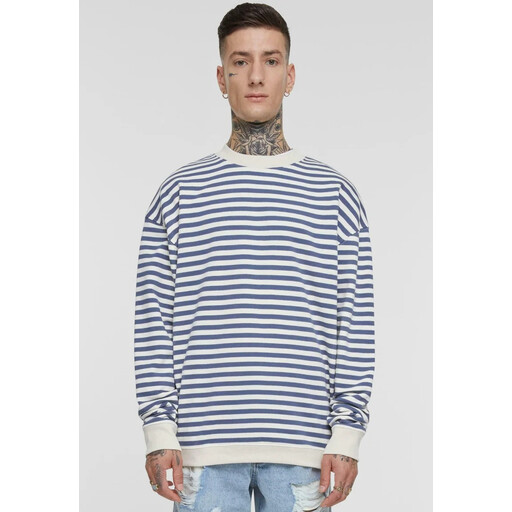
Why this model is a good fit: Ideal for anyone who wants to make a fashionable statement without being over the top. This striped sweatshirt in subtle colours is a modern classic that integrates effortlessly into streetwear and casual looks.
Made from 100% cotton, it bypasses the pilling trap of cheap synthetic blends. The firm ribbed cuffs on the collar, sleeves, and hem secure the fit and prevent the typical loss of shape.
The combination of a fashionable striped pattern and breathable cotton fabric makes it a versatile and comfortable companion.
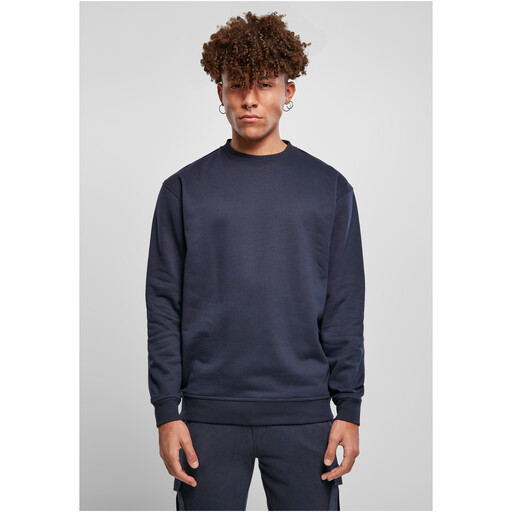
Why this model is a good fit: For buyers who value high-quality materials and resource-friendly production. This sweatshirt combines wearing comfort with a conscious design approach.
The transparent material specification—a blend of 65% organic cotton and 35% recycled polyester—counters the pitfall of misleading labels. This high-quality blend is designed for durability and shape retention.
The sustainable material choice combined with thoughtful details like decorative stitching and a removable label for enhanced comfort.
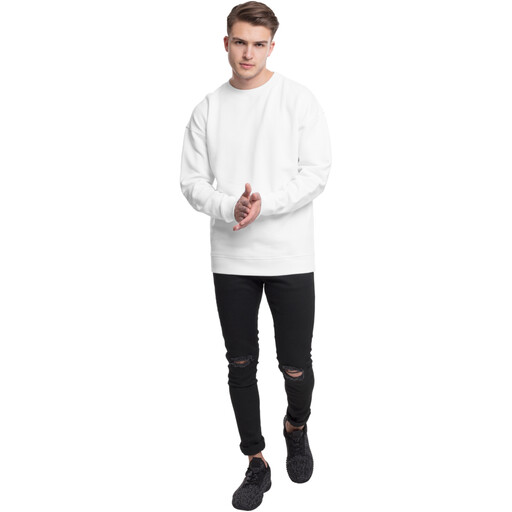
Why this model is a good fit: A classic Urban Classics pullover for anyone looking for a robust, versatile, and no-fuss basic. Perfect as a foundation for countless outfits.
With a high fabric weight of 300 g/m? and being made from 100% organic cotton, it directly counters the pitfall of shape loss and thin, low-quality fabrics. This sweatshirt is built to last.
The heavy, soft quality (brushed fleece) provides exceptional comfort and warmth, while the classic cut guarantees maximum versatility.
We have compiled a complete, up-to-date list of products that fully meet these strict selection criteria and applicable regulations.
Fabric weight, given in grams per square metre (g/m?), describes the density of the fabric. A higher value (e.g., 300 g/m?) means a thicker, warmer, and often more robust fabric. A lower value (e.g., 150 g/m?) indicates a lighter material that is well-suited for layering or milder temperatures.
To preserve the shape and colour of your cotton pullover, you should wash it at a low temperature (maximum 30°C), preferably inside out. Avoid the tumble dryer, as the high heat can cause the cotton fibres to shrink. Instead, hang the sweatshirt to air dry.
Not necessarily. A 100% cotton sweatshirt is very breathable and skin-friendly. However, a high-quality material blend, for example with a portion of recycled polyester, can offer advantages. Such blends are often more dimensionally stable, less prone to wrinkling, and can increase the garment's longevity without significantly compromising comfort. The decision depends on your personal priorities: maximum natural comfort or improved functionality and ease of care.