
Lieferung heute & morgen

Qualitätsgarantie

Willkommens-Angebote freischalten: KOSTENLOSE Lieferung | Bis zu 80 % RABATT | Kostenlose 30-Tage-JoyPlus-Testphase
App herunterladen
By Joybuy Product Recommendation Officer, 28 July 2026
In a multi-cat household, feeding time can quickly become a challenge. One cat needs special food, another is prone to obesity, and a third housemate likes to steal from the others' bowls. A microchip pet feeder for multiple cats promises a structured and controlled solution. However, the market is overwhelming, and not every device delivers on its promises. Before you make a decision, you should be aware of the most common pitfalls that can lead to frustration and, ultimately, a purchase you'll regret.
Many devices advertise intelligent features, but in practice, the same problems often emerge. Pay close attention to these three points to avoid a wasted investment.
To avoid the problems mentioned above, you should base your selection on objective technical features. The following three parameters are crucial for long-term satisfaction.
Reliably identifying each individual cat is the fundamental requirement. There are two common technologies for this:
A good feeder should control not only access but also the amount of food. Look for a feeder with portion control that allows you to set the food quantity individually for each cat in small, gram-precise increments. Equally important is an airtight food container, ideally with a desiccant packet, to keep the food fresh for weeks.
The materials that come into contact with the food should be food-grade and easy to clean. A feeder with a ceramic bowl or stainless steel bowl is the most hygienic choice here, as these materials, unlike plastic, do not absorb odours and are less prone to scratches where bacteria can settle. Check whether the bowl, food container, and lid can be easily removed and cleaned in the dishwasher.
Based on the criteria above, we have identified several products that represent a well-considered solution for different needs and households.
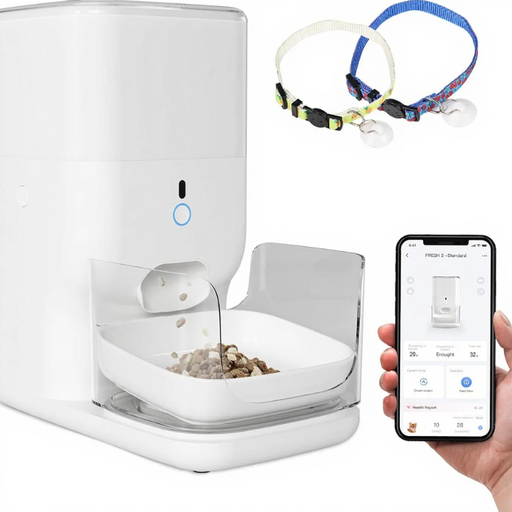
Why This Fits Their Persona: This device is designed for owners of two or more cats where at least one animal requires a special diet. It solves the core problem of food separation with precision and automation.
The system uses reliable RFID collar tags for individual recognition, bypassing the inaccuracy of cameras. The app allows for detailed food and health monitoring of each cat's eating habits.
Combines selective access with precise portion control and data analysis. The 4-litre container with a sealing ring and desiccant packet keeps food fresh. A ceramic bowl is also included.
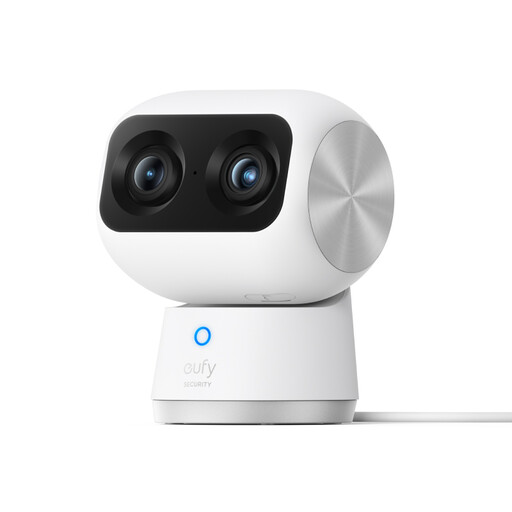
Why This Fits Their Persona: For cat owners who want to first observe and understand feeding behaviours before investing in a fully automated feeder. Ideal for identifying which cat eats when.
Instead of relying on mechanical food dispensing, this camera provides visual monitoring. The integrated pet AI can track movement and distinguish between people and animals, enabling targeted observation of the feeding station.
The 360° pan-and-tilt function covers the entire room. The dual lens with 4K resolution and 8x zoom delivers sharp images to discern details even from a distance.
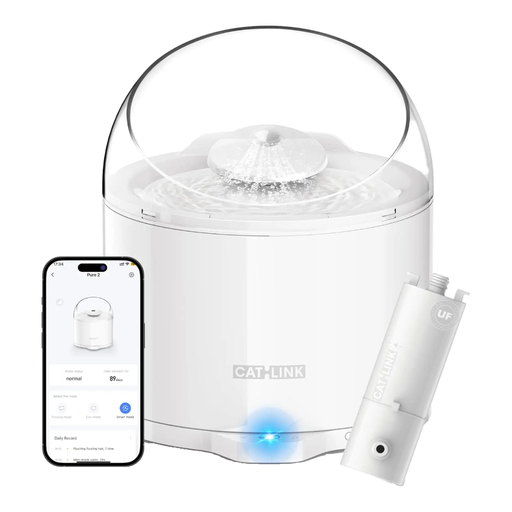
Why This Fits Their Persona: This product is not a feeder, but a water fountain. It's a valuable addition for owners aiming for comprehensive health monitoring for their cat, as water intake is a critical health indicator.
While many smart devices focus only on feeding, this one addresses the often-neglected issue of hydration. It avoids the pitfall of concentrating on just one aspect of pet health by providing detailed data on water intake.
The app records drinking frequency, volume, and duration, and sends alerts for abnormal behaviour. According to the manufacturer, its ultra-filtration technology improves water quality.
We have compiled a complete, up-to-date list of products that fully meet these strict selection criteria and German safety regulations.
1. Does a microchip feeder also work for cats without an implanted microchip? Yes, most models based on RFID technology come with special, lightweight collar tags. These can be assigned to each cat's profile in the app. This provides a flexible solution even if your cat doesn't have an implanted chip or if the chip isn't compatible.
2. What happens during a power outage or Wi-Fi disruption? High-quality feeders are prepared for such events. Many models include a battery compartment for backup power, ensuring that scheduled feeding times are maintained even without mains electricity. Additionally, good devices store the feeding schedule locally, so it continues to run without an active Wi-Fi connection. While app control may be temporarily unavailable, the core functionality remains intact.
3. How accurate is the portioning on a smart feeder? Portion accuracy is a key quality indicator. Basic models dispense by volume, which can be imprecise depending on the size and shape of the kibble. More precise devices dispense in small increments, often in units of 5 or 10 grams. You can usually find the smallest adjustable portion size in the product description or technical specifications. For cats on a strict diet, the finest possible adjustment is recommended.