
Lieferung heute & morgen

Qualitätsgarantie

Willkommens-Angebote freischalten: KOSTENLOSE Lieferung | Bis zu 80 % RABATT | Kostenlose 30-Tage-JoyPlus-Testphase
App herunterladen
A good Microfiber Cloth Set promises efficient, chemical-free cleaning. However, the market is flooded with products that often fail to deliver on their promises in practice. Many users know the disappointment: cloths that smear from the start, lose their absorbency after just a few washes, or leave unsightly lint on high-gloss surfaces.
As your Joybuy Product Recommendation Officer, I'll help you navigate these common pitfalls. Instead of falling for exaggerated marketing claims, you should focus on verifiable quality characteristics. The three most common problems that lead to a bad purchase are:
To ensure your next set of cleaning cloths performs as expected, a close look at the technical details is essential.
Effective cleaning doesn't depend on advertising slogans but on the material properties of the cloths. Before buying, pay attention to the following three crucial features.
Microfiber cloths typically consist of a blend of polyester and polyamide. Each material serves a specific function:
A common and effective blend ratio is 80% polyester to 20% polyamide. Cloths with a significantly lower polyamide content are often less absorbent and tend to leave streaks on smooth surfaces. For specialized polishing or drying tasks, a 70/30 ratio can be advantageous.
Not all microfiber cloths are woven the same. The structure determines its optimal use case:
The fabric weight, measured in GSM (grams per square meter), is an indicator of density and durability. A value below 250 GSM suggests a thin, less durable cloth. For most household applications, cloths with 300 to 400 GSM are a solid choice.
The edge of a cloth is an often-overlooked but critical detail. A hard edge stitched with coarse thread can cause fine scratches on paint or acrylic glass. Look for one of these two finishing types:
Based on these objective criteria, we have identified products suited for specific user profiles and their requirements.
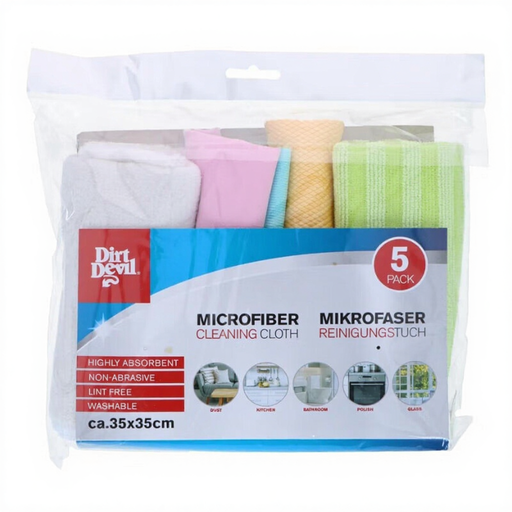
Why This Fits Their Persona: Ideal for the general household seeking a cost-effective solution for various cleaning tasks. The color-coding allows for hygienic separation by area of use (e.g., kitchen, bathroom, dusting).
This set bypasses the "one-size-fits-all" trap by enabling functional separation through color-coding, thus preventing cross-contamination.
The 100% polyester microfiber material is designed for high absorbency. The cloths are machine washable, making them durable and reusable.
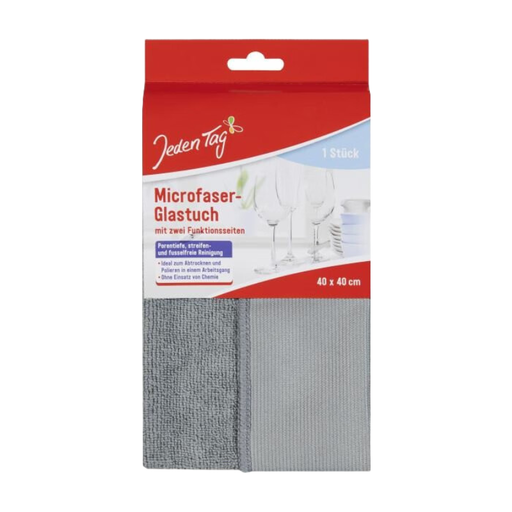
Why This Fits Their Persona: Perfect for users who demand perfectly streak-free windows, mirrors, and high-gloss fronts. This specialty cloth is designed for a demanding, flawless finish.
It solves the problem of smearing on smooth surfaces with its dual-sided design: one side with cleaning fibers loosens dirt, while the soft other side dries and polishes without leaving lint.
The material composition of 87% polyester and 13% polyamide is optimized for cleaning smooth surfaces. The cloth is washable up to 60°C and retains its functionality.
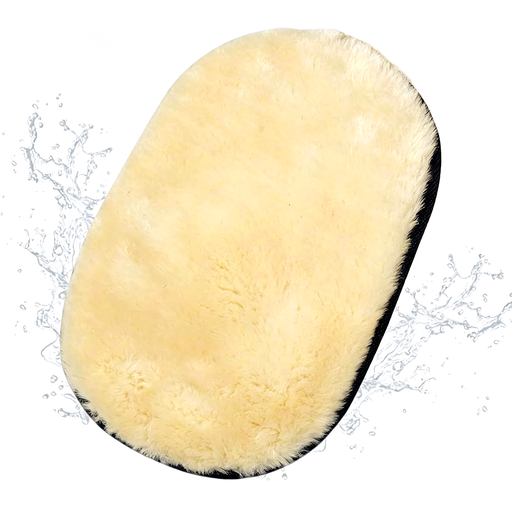
Why This Fits Their Persona: For car care users who need a safe and efficient method for cleaning painted surfaces. The glove shape offers maximum control and prevents the cloth from being dropped.
This glove minimizes the risk of scratches caused by dropped and contaminated cloths. The soft, high-pile material safely traps dirt particles.
Its high water absorption reduces the need for frequent re-dipping. The breathable 3D mesh fabric on the inside ensures comfort during extended use.
We have compiled a complete, up-to-date list of products that fully meet these strict selection criteria and relevant safety standards.
To ensure the longevity and functionality of your washable cleaning cloths, machine wash them at 40°C to 60°C (104°F to 140°F). Do not use fabric softener, as it clogs the fine fibers and drastically reduces absorbency. Air-dry the cloths or tumble dry on a low heat setting. Wash them separately from high-lint items like cotton towels.
No, this is a common misconception. While all-purpose cloths are suitable for many surfaces, delicate or high-gloss areas like glass, mirrors, or car paint require specialized cloths (e.g., with a waffle or pearl weave) to achieve a lint-free and streak-free result. Using an unsuitable cloth can lead to scratches or smears.
Streaking is often caused by using too much cleaning solution, washing with fabric softener, or using a cloth that is already saturated with dirt. Lint can be a sign of a low-quality cloth with poorly processed fibers or may indicate it was washed with cotton textiles. For a streak-free clean, clear water or a lightly dampened cloth is often sufficient.