
Lieferung heute & morgen

Qualitätsgarantie

Willkommens-Angebote freischalten: KOSTENLOSE Lieferung | Bis zu 80 % RABATT | Kostenlose 30-Tage-JoyPlus-Testphase
App herunterladen
Streaks on windows after cleaning, lint on freshly polished surfaces, or cleaning cloths that just spread dirt around instead of picking it up—these are common frustrations. The market is saturated with an abundance of cleaning cloths, which can make choosing the right product difficult. This article serves as a practical guide to help you understand the properties of different cloths and make an informed choice for your home and car care needs.
To find the right cloth for your requirements, you should consider a few key characteristics. These will help you objectively evaluate a product's performance and intended use.
Most microfiber cloths are made from a blend of polyester and polyamide. The ratio of these two synthetic fibers determines the cloth's properties. A higher polyamide content generally results in better absorbency and softness. Another important metric is the fabric density, measured in GSM (grams per square meter). Cloths with a high GSM (e.g., 400-600 GSM) are thicker, softer, and more absorbent, making them ideal as a car polishing cloth or for drying delicate surfaces. As an alternative to synthetic fibers, there are also bamboo cleaning cloths, which are made from bamboo-based viscose fibers and are valued for their high absorbency and sustainability.
Not every cloth is suitable for every task. While universal all-purpose cloths are sufficient for daily cleaning of countertops or furniture, special surfaces require tailored solutions. For glass, mirrors, and high-gloss fronts, a fine, low-pile, and completely lint-free cloth is necessary to achieve a streak-free finish. For car care, on the other hand, cloths with long, soft fibers are preferred to prevent paint scratches and effectively remove wax residue. A cleaning cloth set with different colors or textures can help you hygienically separate cloths by application area—for example, kitchen, bathroom, and vehicle.
High-quality cleaning cloths are designed as washable household cloths, making them a reusable alternative to disposable products. Proper care is crucial to maintain their effectiveness over the long term. Microfiber cloths should be washed at low temperatures (usually 40°C to 60°C) and without fabric softener, as it can clog the fine fibers and reduce their absorbency. The ability to wash these cloths hundreds of times makes them an economical and resource-friendly choice.
Here, we present a selection of products that stand out for their specific material properties and applications.
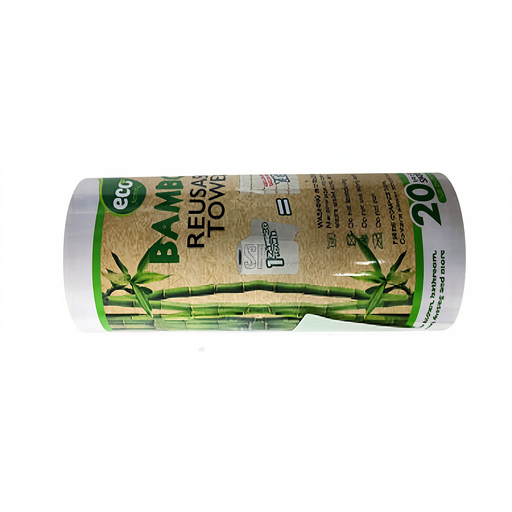
Why it stands out: This set relies on bamboo fibers, a material alternative to conventional microfiber. The cloths are designed to combine high absorbency with a soft texture, qualifying them for a wide range of household cleaning tasks.
Advantages:
Who is it for? This set is aimed at users looking for a versatile cleaning cloth set for general household use who also value materials from renewable resources.
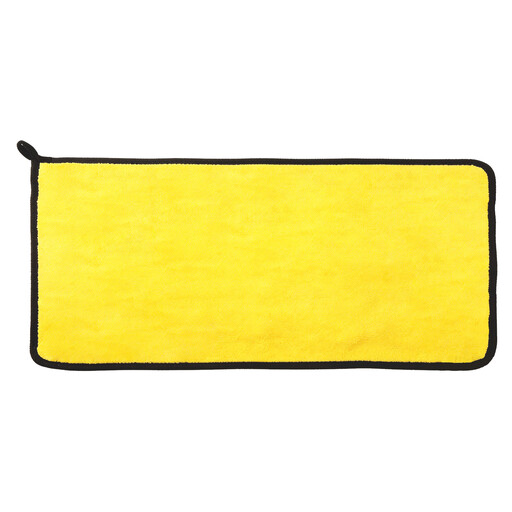
Why it stands out: This cloth was developed specifically for automotive care. With a high density of 600 GSM and a double-sided design, it offers superior water absorption and a soft surface optimized for paint care.
Advantages:
Who is it for? This cloth is an excellent choice for car owners and automotive enthusiasts who need a high-performance, absorbent, and paint-safe cloth for drying and polishing their vehicle.

Why it stands out: This set from Vileda offers a practical solution for organizing household cleaning. The seven cloths in different colors allow for hygienic separation by application areas such as the kitchen, bathroom, or living areas.
Advantages:
Who is it for? This set is ideal for households looking for a straightforward and organized system for the daily cleaning of different areas, while relying on trusted brand quality.
If this selection doesn't include the perfect product for your specific needs, other specialized solutions are available. For example, are you looking for cloths for floor care? Discover our range of floor cleaning cloth options to find the right solution for your hard floors.
1. How do you wash microfiber cloths correctly? To maximize the lifespan and functionality of microfiber cloths, they should be washed at a maximum of 60°C. Do not use fabric softener, as it clogs the fine fibers and impairs their absorbency and cleaning power. Air drying is recommended. Avoid washing them with heavily-linting textiles like cotton towels.
2. Can microfiber cloths scratch surfaces? A clean microfiber cloth is extremely soft and generally does not scratch surfaces. However, there is a risk if coarse dirt or sand particles get trapped in the cloth. Shake the cloths out well before use, especially for car care, and always use a clean side or a fresh cloth for heavily soiled areas.
3. What is the difference between microfiber cloths and bamboo cloths? The main difference lies in the material. Classic microfiber cloths are made of synthetic polymers (polyester and polyamide) that electrostatically attract dirt and dust. Bamboo cleaning cloths are made from viscose fibers, the pulp of which is derived from bamboo. They are considered particularly absorbent and are an alternative based on a renewable resource. Both types of cloths are suitable for multiple uses as washable household cloths.