
Lieferung heute & morgen

Qualitätsgarantie

Willkommens-Angebote freischalten: KOSTENLOSE Lieferung | Bis zu 80 % RABATT | Kostenlose 30-Tage-JoyPlus-Testphase
App herunterladen
By: Joybuy Product Recommendation OfficerDate: July 29, 2026
Modern gaming handhelds like the Steam Deck, ASUS ROG Ally, or the upcoming Nintendo Switch 2 offer impressive performance, but their internal storage often fills up quickly. A storage upgrade is essential. However, when searching for a suitable card, users face a minefield of marketing promises and technical pitfalls. The wrong choice can lead to long load times, in-game stuttering, or, in the worst-case scenario, complete incompatibility. This guide will help you understand the crucial criteria and make an informed purchasing decision.
Before you buy a microSD Express card for gaming, you should be aware of the typical mistakes that lead to frustration and wasted money.
To avoid these pitfalls, focus on three verifiable technical specifications. These define the true performance of a fast microSD card for handhelds.
The interface is the single most important factor for future-proof performance.
Look for a combination of three ratings:
The choice of capacity depends on your game library.
Here are three recommendations tailored to different needs and use cases.
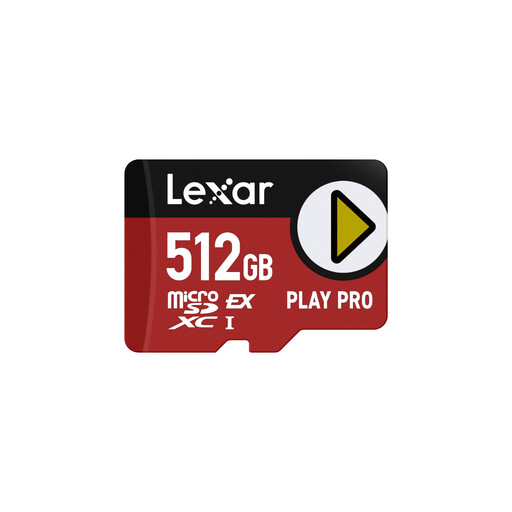
Why it's a great fit: Ideal for gamers who want to extract maximum loading performance from their high-end handheld. The 512 GB capacity offers a solid balance between space for multiple AAA titles and a focus on speed.
This card leverages the microSD Express standard and A2 classification. It delivers not only high sequential rates (up to 900 MB/s read, per the manufacturer) but also the high IOPS performance that is crucial for gaming.
Uses PCIe/NVMe technology for SSD-like speeds. A2 certification for optimised app and game performance.
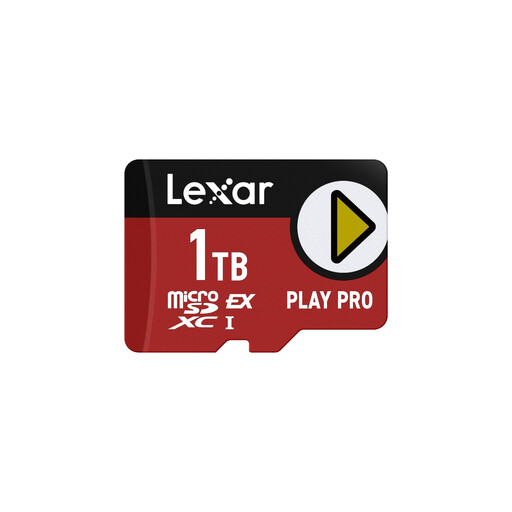
Why it's a great fit: For gamers who want their entire library with them without having to manage storage. The 1 TB capacity provides enormous space without compromising on speed.
It debunks the myth that high capacity must mean slow performance. This card combines 1 TB of storage with the full power of the microSD Express standard, including an A2 rating.
Maximum capacity with Express-level speed. Ideal for installing numerous large AAA games.
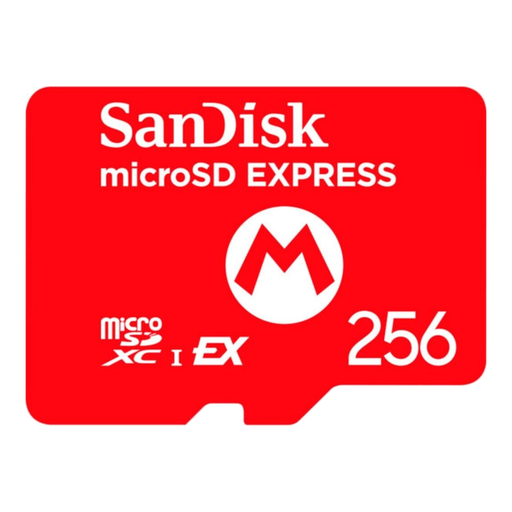
Why it's a great fit: Perfect for owners of a Nintendo Switch 2 or another new handheld who want to leverage the benefits of Express speed but don't need massive capacity. 256 GB is a solid starting point.
This card is explicitly designed for the new console generation, avoiding the mistake of buying an outdated UHS-I card. It offers full Express performance in a more accessible capacity size.
High speeds (up to 880 MB/s read, per the manufacturer) and U3/V30/Class 10 ratings. A cost-effective entry point into microSD Express technology.
We have compiled a complete, real-time updated list of products that fully meet these strict selection criteria.
Yes, microSD Express cards are backwards compatible with devices that have a UHS-I slot. However, the card will only operate at the much slower UHS-I speed (max. approx. 104 MB/s). So while you can use the card, you'll be forfeiting all the speed potential you paid for.
Yes, absolutely. While high MB/s ratings affect the initial game launch time, the A2 classification determines how quickly countless small game files (textures, models, sound files) are loaded during gameplay. An A2-certified card reduces loading stutters and ensures a smoother overall experience, especially in open-world games.
It is strongly recommended to format the memory card directly in the target device. Insert the card into your Steam Deck, console, or handheld and use the built-in formatting function in the storage settings. This ensures the card uses the correct file system (usually exFAT) and is configured for optimal performance and compatibility with the device.