
Lieferung heute & morgen

Qualitätsgarantie

Willkommens-Angebote freischalten: KOSTENLOSE Lieferung | Bis zu 80 % RABATT | Kostenlose 30-Tage-JoyPlus-Testphase
App herunterladen
An electric mini cooker promises quick, uncomplicated meals in the smallest of spaces. Whether in a dorm room, the office, or while camping, the idea of a compact appliance that can boil pasta, heat soup, or even prepare rice is appealing. However, the market is flooded with models whose real-world performance often falls short of their marketing promises. Many buyers quickly discover their device is impractical, difficult to clean, or even unsafe.
This guide focuses on the critical technical features that separate a functional appliance from a useless one. We highlight the most common pitfalls and show you which objective parameters to look for before buying to make an informed decision.
Purchasing a compact cooking appliance can quickly lead to disappointment if you fall for typical product flaws. Pay special attention to these three points:
To avoid buyer's remorse, you should base your selection on three core criteria. These determine the longevity, safety, and practical utility of your appliance.
Capacity is specified in litres (L) and should match your intended use case.
In addition to volume, pay attention to the external dimensions. A compact, portable cooking pot is advantageous for camping or travel, while the footprint is the deciding factor in an office or dorm.
The pot's inner material directly affects cooking and cleaning.
The power in watts (W) determines the heating speed.
Regardless of the power rating, two safety features are non-negotiable:
Here are some models that represent a smart choice for specific user groups based on their technical specifications.
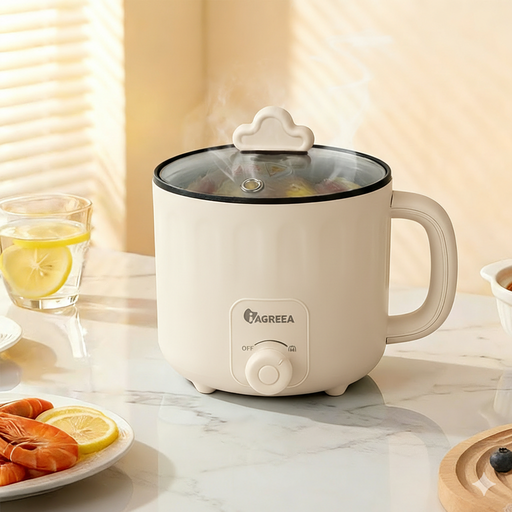
Why it's a good fit: With a 1.6-litre capacity, it's designed for one person. The device is multifunctional for pasta, soups, or stews, and its compact dimensions make it ideal for an office desk or a dorm kitchenette.
The appliance features a food-grade non-stick coating and integrated safety functions like boil-dry protection and auto shut-off. The capacity is clearly defined for single portions.
The combination of 600 W power, a compact design, and an ergonomic handle makes it a portable all-in-one solution for simple, hot meals.
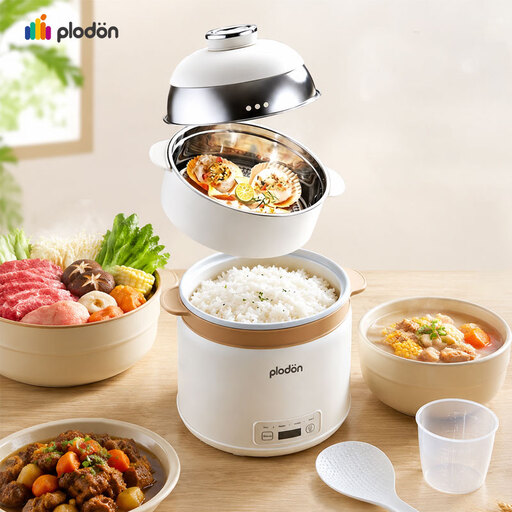
Why it's a good fit: With a 2.3-litre capacity and a separate steamer insert, this model is suitable for 1-3 people and allows for the preparation of more complex meals. Ideal for small apartments that lack a full kitchen.
The preset cooking programs (rice, soup) and the automatic keep-warm function reduce the risk of user error. The device includes overheat protection and a non-stick coating.
The "steam on top, cook on the bottom" function saves time and energy. The automatic keep-warm function ensures food stays at the right temperature until it's ready to be served.
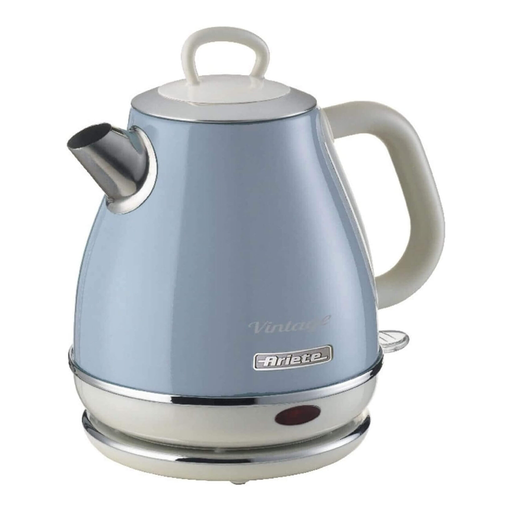
Why it's a good fit: For users whose main requirement is quickly boiling water for instant meals, tea, or coffee, and who also value aesthetics. The retro design makes it a statement piece in any small kitchen or office.
As a dedicated stainless steel kettle, it bypasses the issue of peeling non-stick coatings. An auto shut-off is integrated. The 1-litre capacity is intentionally compact.
The high power of 1600 W ensures very rapid water boiling. The stainless steel body is robust, and the design stands out from standard appliances.
We have compiled a complete, up-to-date list of products that fully meet these strict selection criteria and relevant safety regulations.
To maximise the life of the coating, let the pot cool completely after use. Wipe it out with a soft sponge or cloth and mild washing-up liquid. Never use steel wool, abrasive sponges, or harsh cleaning agents, as these will permanently damage the non-stick surface.
Power consumption depends on the wattage (W) and the duration of use. An appliance with 600 W (0.6 kW) running for 15 minutes (0.25 hours) consumes 0.15 kilowatt-hours (kWh). At an electricity price of 30 cents/kWh, that would cost about 4.5 cents per use. Higher-wattage devices heat up faster, which shortens the running time and often keeps the consumption per cooking session comparable.