
Lieferung heute & morgen

Qualitätsgarantie

Willkommens-Angebote freischalten: KOSTENLOSE Lieferung | Bis zu 80 % RABATT | Kostenlose 30-Tage-JoyPlus-Testphase
App herunterladen
Model vehicles encompass a broad category of products, ranging from simple toy cars for toddlers to highly detailed collector's models for enthusiasts. Choosing the right model depends on several factors, including its intended use, the user's age group, and specific requirements for material, scale, and functionality. This guide analyses the key criteria to consider when making a purchase and presents a selection of models with different specialisations.
An informed decision is based on evaluating objective product features. The following criteria provide a structured basis for comparing various highly detailed vehicle models.
The material composition is a crucial indicator of durability and safety. Common materials include:
For toys sold in the EU, compliance with the EN 71 standard (Safety of toys) is a key consideration. This standard regulates aspects such as chemical composition and mechanical properties to minimise risks like the swallowing of small parts in products intended for children under 36 months.
The scale indicates the size ratio of the model to the original vehicle. Common scales include:
A larger scale generally allows for a higher level of detail, such as opening doors, steerable axles, or detailed engine replicas.
Functionality determines the degree of interaction. For a toy tractor, this could include a movable shovel, an adjustable trailer hitch, or a steerable front axle. With a toy race car, the focus is often on its rolling performance or, in the case of model kits, the building process itself. Compatibility with other products from the same manufacturer (e.g., trailers, figures) significantly enhances the play value.
The following selection represents various categories of model vehicles, catering to different user groups and applications.
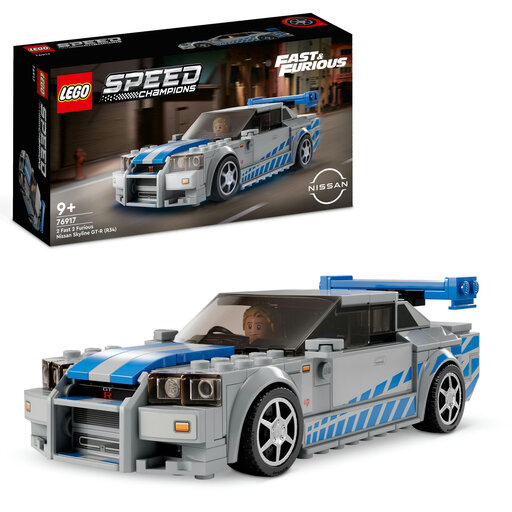
Why We Recommend This Product This set combines the constructive aspect of a LEGO kit with the appeal of an iconic vehicle from pop culture. The model of the Nissan Skyline GT-R (R34) from the film "2 Fast 2 Furious" offers a dual purpose: it serves as both an engaging building project that promotes concentration and as a detailed display piece. The included Brian O'Conner minifigure also allows for recreating scenes from the film.
Advantages
Who It's For This set is designed for children aged 9 and up, fans of the "Fast & Furious" film series, and collectors of LEGO Speed Champions and film memorabilia.
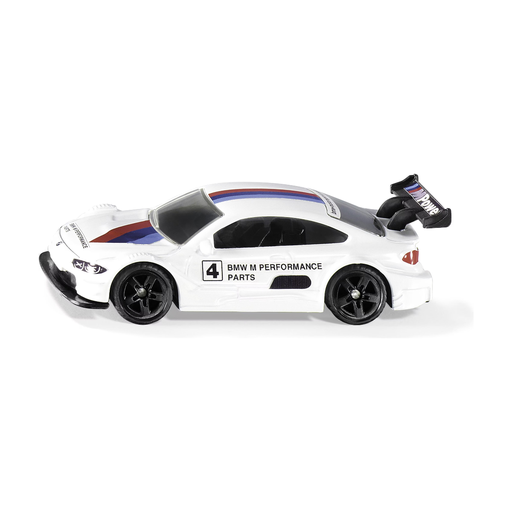
Why We Recommend This Product The Siku model of the BMW M4 Racing stands out for its robust construction of metal and plastic. At a 1:55 scale, it offers a great balance between a manageable size and faithful detail, such as the distinctive rear wing. Its smooth-rolling properties make it a durable toy car that is also perfect for on-the-go play. It represents an accessible option that appeals to both children and adult collectors.
Advantages
Who It's For This model is suitable as a gift for children aged 3 and up who are looking for a durable toy race car. It also appeals to collectors of Siku vehicles and motorsport enthusiasts.
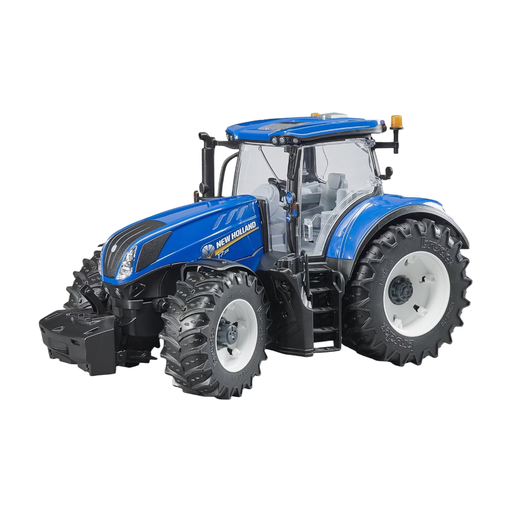
Why We Recommend This Product The Bruder New Holland T7.315, in 1:16 scale, is a prime example of a functional toy tractor. Its size and numerous realistic features, such as the steerable oscillating axle and the height-adjustable rear coupling, enable an immersive play experience. Compatibility with all trailers and attachments from the Bruder Profi-Series, as well as bworld figures, creates an expandable play system that ensures long-lasting engagement.
Advantages
Who It's For Ideal for children aged 3 and up with an interest in agriculture and technology. It encourages imaginative role-playing and an understanding of mechanical principles.
If these recommendations don't include the perfect model for you, a wider selection of Multi-Coloured Toys offers more options for various interests and age groups. The variety ranges from simple vehicles to complex model kits.
1. What does the scale on model cars mean? The scale describes the size ratio of the model to the real vehicle. For example, a scale of 1:18 means the model is 18 times smaller than the original. Smaller numbers after the colon (e.g., 1:16) indicate larger models, while larger numbers (e.g., 1:64) denote smaller models.
2. From what age are model vehicles suitable? The age recommendation heavily depends on the model's complexity and materials. Simple, robust plastic or wooden vehicles without small parts are often suitable for children from 1 or 2 years old. Detailed models with small, swallowable parts (e.g., Siku, LEGO) are generally recommended for children aged 3 and up. Model kits and delicate collector's models are aimed at older children, teenagers, and adults. The manufacturer's specifications on the packaging provide definitive information on this.
3. What is the best way to clean collector's models? To clean collector's models, a soft brush (such as a make-up brush or a fine-bristle brush) is recommended to remove dust from crevices and delicate parts. For more stubborn dirt, a microfibre cloth lightly dampened with water can be used. Aggressive cleaning agents should be avoided as they can damage the paint and decals.