
Lieferung heute & morgen

Qualitätsgarantie

Willkommens-Angebote freischalten: KOSTENLOSE Lieferung | Bis zu 80 % RABATT | Kostenlose 30-Tage-JoyPlus-Testphase
App herunterladen
The search for the right moisturiser can often feel like a daunting task. The market is vast, and the marketing claims are endless. However, a well-formulated face cream is the cornerstone of any effective skincare routine. It hydrates the skin, strengthens its protective barrier, and, depending on the ingredients, can address specific needs like reducing fine lines caused by dehydration or soothing irritation.
Yet, many buyers invest in products that are unsuitable for their skin type or whose performance doesn't meet expectations. To help you make the right choice, we'll highlight the most common pitfalls and explain the objective criteria that truly matter.
Marketing can often promise more than a product can deliver. Before you make a decision, you should be aware of these common issues:
To make an informed decision, focus on the following three objective features. These will help you find the right formulation for your needs, whether it's a simple day cream or a specialised anti-ageing cream.
The texture of a cream is a direct indicator of its formulation and suitability for different skin types.
The INCI (International Nomenclature of Cosmetic Ingredients) list is your most important tool. Ingredients are listed in descending order of concentration. Look for these three main categories of moisturising agents:
A good moisturiser combines active ingredients from at least two, and ideally all three, of these categories to provide comprehensive care for the skin.
Beyond basic hydration, certain ingredients can offer further advantages:
Based on the criteria above, we have curated a selection of products for different user profiles and needs.
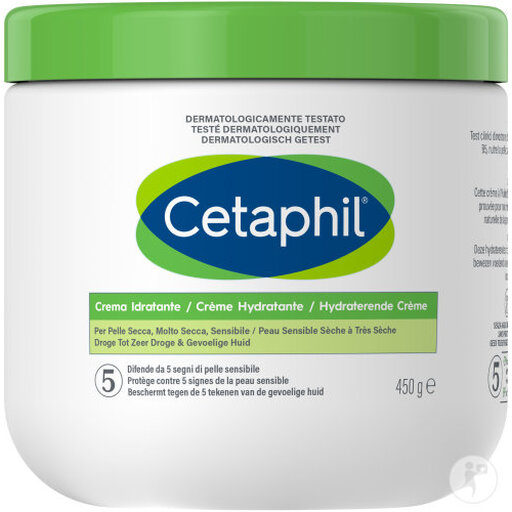
Why This Fits Their Persona: This product is a functional choice for those seeking a reliable, non-irritating moisturiser for dry and sensitive skin. The large packaging offers excellent value for money for daily use on the face and body.
The cream avoids the trendy-ingredient pitfall, instead relying on a proven, minimalist formula with glycerin, niacinamide, and panthenol. It is fragrance-free and non-comedogenic.
According to the manufacturer, the formula was specifically developed and clinically tested for sensitive skin. Its rich texture provides long-lasting hydration without feeling greasy.
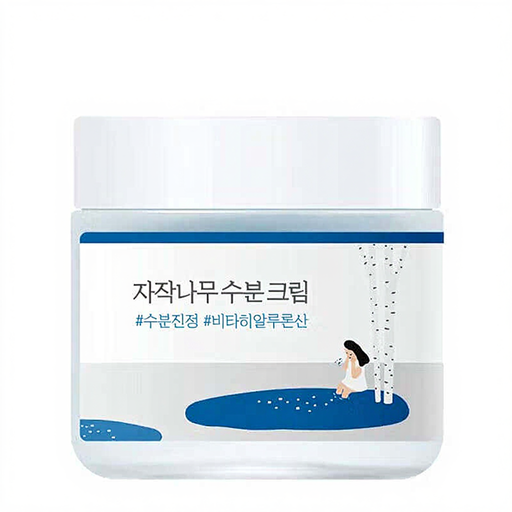
Why This Fits Their Persona: For fans of Korean skincare looking for an intensely hydrating yet lightweight moisturiser. The cream uses birch sap as its star ingredient, offering a modern and pleasant application experience.
Although birch sap is highlighted, the formula is solidly supported by classic humectants like glycerin, panthenol, and hyaluronic acid. It doesn't rely on a single ingredient.
The gel-cream texture provides moisture without feeling heavy. The formula aims to form a moisture barrier on the skin to lock in hydration for the long term.
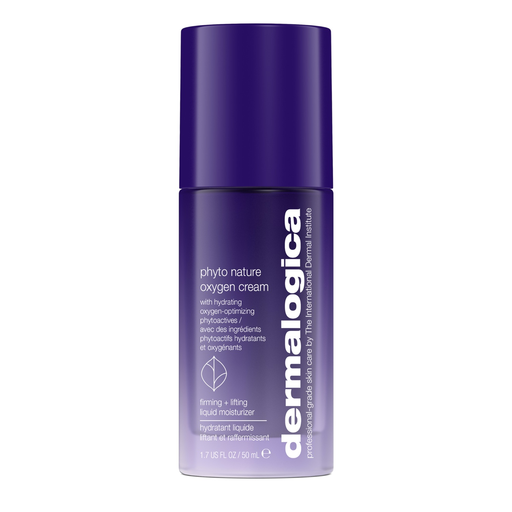
Why This Fits Their Persona: This product is aimed at users willing to invest in a sophisticated anti-ageing cream. It is specifically designed for mature skin and targets visible signs of ageing, such as loss of firmness.
The cream goes beyond simple moisturising to offer a targeted solution for a specific skin concern (mature skin). It avoids the "one-size-fits-all" approach with a complex formulation.
The formula contains a blend of plant-based active ingredients (phytoactives), squalane, and sodium hyaluronate. It aims to smooth, firm, and improve the skin's elasticity.
We have compiled a complete, real-time list of products that fully satisfy these strict selection criteria and UK safety regulations.
In general, it is recommended to apply moisturiser twice a day to cleansed skin—once in the morning and once in the evening. The morning application protects the skin throughout the day, while the evening application supports its overnight regeneration. Adjust the frequency as needed based on your skin's condition.
Yes, certain formulations can be comedogenic and clog pores, which can lead to breakouts, especially on oily or acne-prone skin. To avoid this, you should choose products labelled "non-comedogenic" and opt for lighter textures like gels or oil-free lotions.
A day cream is typically formulated to be lighter, absorb quickly, and often includes a Sun Protection Factor (SPF) to protect the skin from UV radiation. A night cream is usually richer and contains higher concentrations of regenerative active ingredients that support the skin's repair process overnight. It does not contain SPF.