
Lieferung heute & morgen

Qualitätsgarantie

Willkommens-Angebote freischalten: KOSTENLOSE Lieferung | Bis zu 80 % RABATT | Kostenlose 30-Tage-JoyPlus-Testphase
App herunterladen
By Joybuy Product Recommendation Officer, 30 August 2026
Tightness, rough patches, and a dull complexion—dry skin can be a constant daily challenge. The skincare market is vast, and marketing claims are often lofty. However, not every cream advertised as "intensely hydrating" delivers on its promise. Choosing the right moisturiser for dry skin is crucial for sustainably strengthening the skin barrier and ensuring comfort.
This guide will help you avoid common purchasing pitfalls and understand the product features that truly make a difference. We'll show you what to look for when making your selection to ensure you make an informed decision.
When searching for the right product, it's easy to fall into traps set by clever marketing. Here are three points that often lead to purchase mistakes:
To find an effective moisturiser for the face or body, you should pay attention to the composition and properties that are tailored to the needs of dry skin.
A good moisturiser needs a balanced formula that combines two types of ingredients to strengthen the skin barrier:
A cream for very dry skin should always contain both components to both provide and preserve moisture.
Dry skin is often prone to irritation and redness, making a gentle formulation crucial. Look for the following features:
The ideal texture depends on your skin condition and where you plan to use it:
Here are some product suggestions tailored to different needs and user profiles.
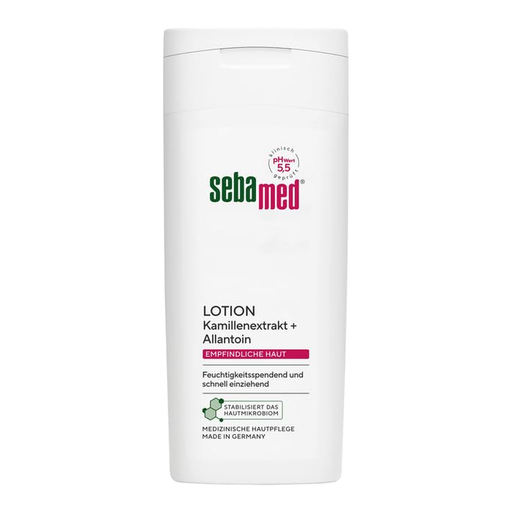
Why this product is a good fit: This lotion is a solid choice for daily body care for sensitive and dry skin. It provides reliable, foundational care without unnecessary, high-priced additives and is known for its excellent tolerability.
The product doesn't rely on a single trendy ingredient but on a proven formula with glycerin, chamomile extract, and allantoin. The price is accessible and reflects its utility, not just marketing.
The pH of 5.5 supports the skin's natural acid mantle. The formula is designed for daily use and absorbs quickly without leaving a sticky film.
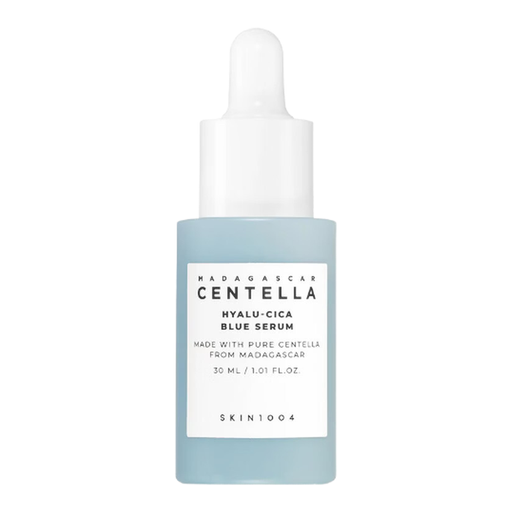
Why this product is a good fit: This serum is ideal for users specifically looking for a combination of modern active ingredients. It addresses dehydration, skin irritation, and a weakened barrier with a well-thought-out formulation.
It's more than just a simple hyaluronic serum. The "Hyalu-Cica" formula combines 5 types of hyaluronic acid with soothing Centella Asiatica extract and Ceramide NP. This demonstrates a multi-faceted approach that goes beyond a single ingredient promise.
The lightweight, gel-like texture provides intense hydration without being sticky. The formula also contains Niacinamide and Adenosine, which can help improve skin texture and reduce the appearance of fine lines.
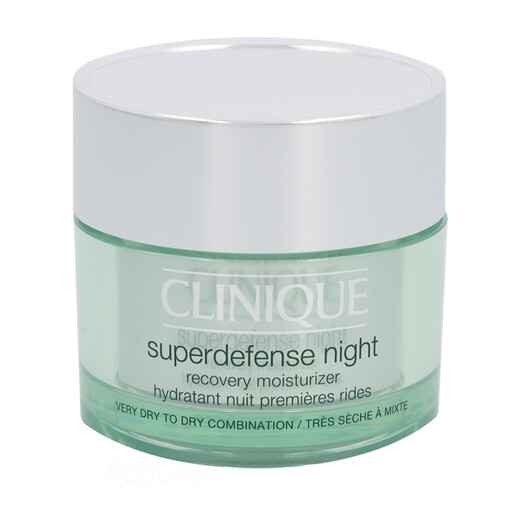
Why this product is a good fit: This cream is designed for users with very dry to dry skin who are looking for intensive, restorative care for the night. Its rich texture provides deep hydration and supports the skin's regeneration process during sleep.
The higher price point is justified here by its specific application (night care) and a formulation featuring antioxidants like Vitamins C and E. It is a targeted product for a specific purpose, not just a simple day cream.
The cream is 100% fragrance-free and dermatologist-developed, making it a great option for sensitive skin. It optimises the skin's nightly recovery process and strengthens the moisture barrier.
We have compiled a complete, up-to-date list of products that fully meet these strict selection criteria and all applicable safety regulations.
1. How often should I apply a moisturiser for dry skin? For optimal results, it is recommended to apply your moisturiser twice daily—in the morning and evening after cleansing. Consistent use helps to continuously hydrate and stabilise the skin barrier. Apply the cream to slightly damp skin to better lock in moisture.
2. Can a moisturiser alone repair a damaged skin barrier? A good moisturiser is the foundation for strengthening the skin barrier. It supplies the lipids (like ceramides) and moisture necessary for repair. However, for a severely damaged barrier, it can be beneficial to supplement your routine with a gentle cleanser and a targeted moisturising serum, while avoiding irritating factors (e.g., hot water, harsh exfoliants).
3. What is the difference between a moisturiser and a moisturising serum? A moisturising serum typically has a lighter, more fluid consistency and contains a high concentration of water-soluble active ingredients like hyaluronic acid. It penetrates the skin quickly. A moisturiser is richer and contains lipids (fats/oils) in addition to humectants to form a protective layer and seal moisture into the skin. For dry skin, the combination of both is often ideal: serum first, then cream.