
Lieferung heute & morgen

Qualitätsgarantie

Willkommens-Angebote freischalten: KOSTENLOSE Lieferung | Bis zu 80 % RABATT | Kostenlose 30-Tage-JoyPlus-Testphase
App herunterladen
A good moisturizer is the foundation of any solid skincare routine. But the market is overwhelming and filled with marketing promises that often create more confusion than clarity. Many products fail to deliver on their claims, leading to unnecessary spending. As your Joybuy Product Recommendation Officer, I'll help you understand the crucial criteria to make an informed choice for your skin.
Before we turn to the solutions, it's important to know the most common mistakes that often lead to disappointment.
To find a suitable cream, you should focus on objective criteria rather than advertising messages. Pay attention to the following three points.
An effective moisturizer combines three types of ingredients to optimally care for the skin:
A good face cream for dry skin needs a balanced mix of all three components, while a lighter formulation with more humectants and fewer heavy occlusives is often better suited for oilier skin types.
Depending on your skin goals, you should look for specific ingredients that offer proven benefits:
Instead of making a one-size-fits-all recommendation, we have identified products tailored to specific needs and lifestyles.
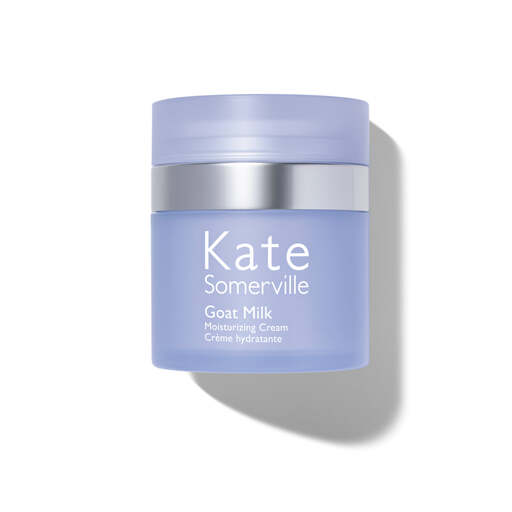
Why This Fits Their Persona: Ideal for users seeking a reliable, low-irritant day cream that's clinically tested for sensitive skin. The formula is designed to soothe and strengthen the skin barrier, without unnecessary frills.
Instead of relying on a single trendy ingredient, this cream uses a proven combination of goat milk, milk proteins, and aloe vera to support the skin barrier and reduce redness.
The combination of soothing ingredients (aloe) and nourishing oils (jojoba, avocado) provides moisture and strengthens the skin's protective barrier. Its lightweight texture absorbs quickly.
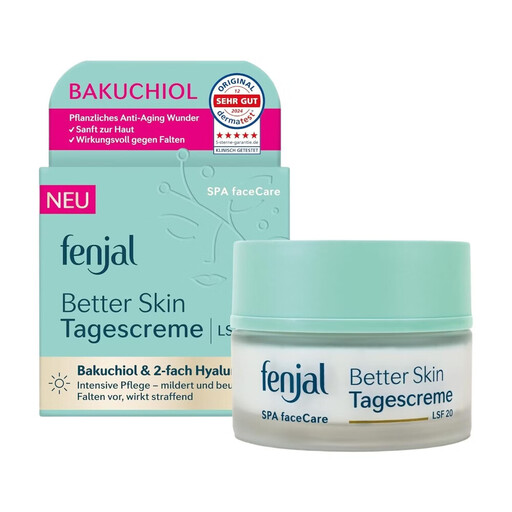
Why This Fits Their Persona: Perfect for anyone looking for a multifunctional day cream that not only moisturizes but also actively combats signs of aging while protecting against UV radiation.
This cream combines several effective approaches: bakuchiol for skin firming, hyaluron for hydration, and SPF 20 for protection against photoaging. It doesn't rely on a single active ingredient.
The formula offers a triple benefit: firming, hydration, and daily UV protection in one step. The texture is nourishing yet absorbs quickly, making it a suitable base for makeup.
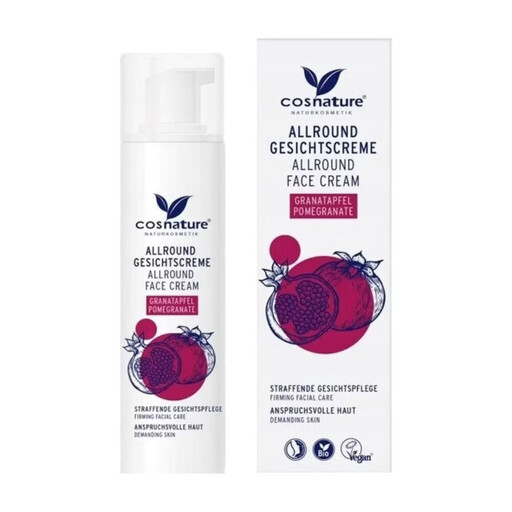
Why This Fits Their Persona: For users who value certified, vegan, and nature-derived formulations. This cream is designed for dry and mature skin, harnessing the power of organic pomegranate and hyaluron.
Instead of relying on a single extract, the cream combines antioxidant-rich organic pomegranate seed oil with a triple hyaluronic acid complex, shea butter, and squalane for comprehensive care.
The cream is NATRUE and Vegan certified, and free from parabens, silicones, and synthetic fragrances. Its lightweight texture absorbs quickly without leaving a greasy film.
We've compiled a complete, up-to-date list of products that fully meet these strict selection criteria and comply with current safety regulations.
In general, it is recommended to apply moisturizer twice daily to cleansed skin—morning and evening. The morning application protects the skin throughout the day, while the evening application supports the skin's regeneration overnight.
Yes, that is generally possible. The main difference is that a day cream often contains an SPF and has a lighter texture, whereas night creams are typically richer and focus on regenerative ingredients. Using a cream with SPF at night is not harmful, but it is unnecessary.
The term "non-comedogenic" means that the product is formulated to be less likely to clog pores and therefore does not promote the formation of blackheads (comedones). This is a particularly important selection criterion for individuals with oily, blemish-prone skin.