
Lieferung heute & morgen

Qualitätsgarantie

Willkommens-Angebote freischalten: KOSTENLOSE Lieferung | Bis zu 80 % RABATT | Kostenlose 30-Tage-JoyPlus-Testphase
App herunterladen
The idea is appealing: a single device that vacuums and mops on its own, while you use your time for more important things. A robot vacuum with a mopping function promises just that. But the market is overwhelming, and many devices don't live up to their marketing claims. Misguided expectations and overlooked details often lead to disappointment and unnecessary expense.
As your Joybuy Product Recommendation Officer, I'll help you identify the crucial features and separate marketing hype from genuine performance. This guide will show you the most common pitfalls and what you really need to look for when making your choice.
Before you decide on a model, you should be aware of the typical problems that often only become apparent after the purchase.
To avoid the pitfalls mentioned above, focus on three core technical features that determine performance and everyday convenience.
The way a robot navigates through your home is fundamental to its efficiency.
The effectiveness of the mopping function depends on the technology used.
A modern docking station can do much more than just empty the robot's dustbin. Look for the following features that significantly increase convenience:
Instead of naming a single "best" model, it's more useful to find the right device for the specific use case. Here are some recommendations tailored to different needs.
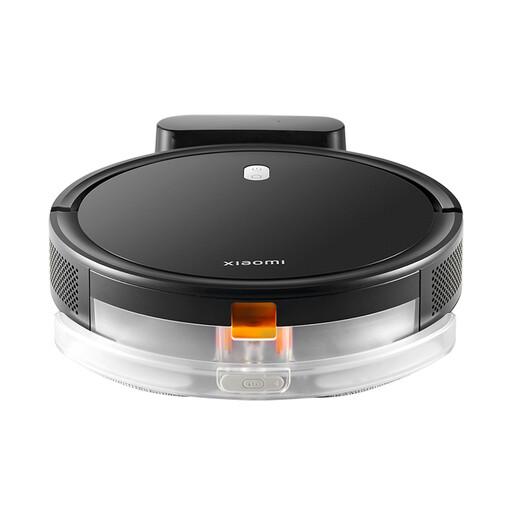
Why it's a good fit: Ideal for small to medium-sized apartments with mostly hard floors. It offers solid suction power and a basic mopping function, controlled via a well-developed app. A reliable entry into the world of automated floor cleaning without breaking the bank.
This model avoids the "gimmick" mopping pitfall by offering transparent, passive mopping performance at a fair price. It doesn't promise miracles but delivers a solid basic clean that is sufficient for daily light dirt.
The intelligent Z-shaped path planning ensures systematic coverage of rooms, which is not a given in this price range. Control via app and voice assistants (Alexa, Google Assistant) offers high convenience.
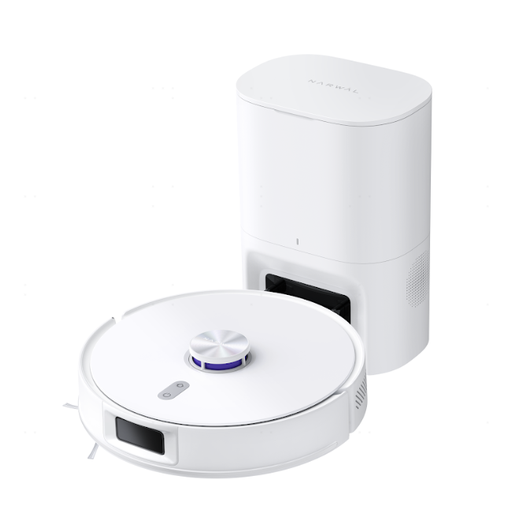
Why it's a good fit: Designed for the challenges of homes with pets. The high suction power of 8000 Pa reliably picks up pet hair and cat litter. The auto-empty station with a 3.5-litre dust bag minimises contact with allergens, as it only needs to be emptied every few months.
This model combines high suction power with a well-thought-out overall system. The precise LDS laser navigation ensures that power is effectively applied. The mopping system with 8N of downward pressure also removes dried-on paw prints, thus avoiding the pitfall of weak mopping performance.
The combination of strong suction, effective mopping with downward pressure, and a low-maintenance auto-empty station makes it a well-rounded solution specifically for the needs of pet owners.
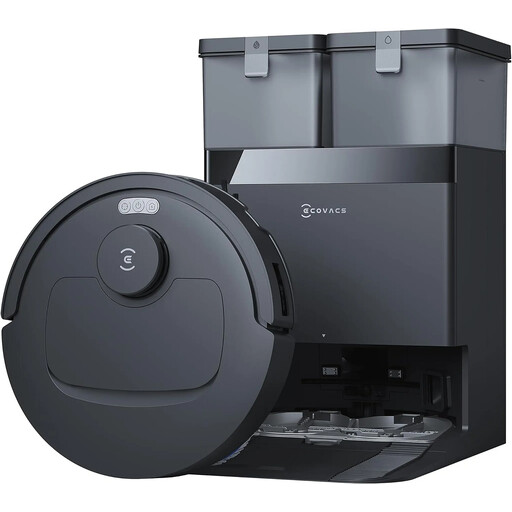
Why it's a good fit: For anyone seeking maximum automation and cleaning performance. The OMNI station handles emptying, washing, and drying the mops, as well as refilling the water. The ZeroTangle technology prevents hair from tangling in the brush—ideal for large households with complex layouts and mixed flooring.
This device addresses all three pitfalls: it offers extremely high suction power (up to 25,000 Pa according to the manufacturer), an active mopping system, and a fully automatic station that reduces maintenance to a minimum. The higher initial cost is justified by the immense gain in convenience.
The TruEdge edge-cleaning technology enables precise cleaning along walls and in corners. Combined with the fully automatic OMNI station, this model offers a nearly hands-free cleaning experience.
We've compiled a complete, up-to-date list of products that fully meet these strict selection criteria and safety regulations.
1. How often do you need to change the dust bag in an auto-empty station? The frequency depends heavily on the size of your home, the number of occupants, and the presence of pets. On average, the bag in most models needs to be changed every 30 to 90 days. Some manufacturers claim a usage duration of up to 180 days for their largest dust bags.
2. Can a robot vacuum with a mopping function clean carpets? Yes, modern, high-quality devices feature automatic carpet detection. When the robot approaches a carpet, it lifts its mopping pads to avoid getting the carpet wet. At the same time, it increases suction power to remove deep-seated dirt and dust from the fibres.
3. Is laser navigation really necessary? While not strictly necessary for everyone, a Robot Vacuum with Laser Navigation (LiDAR) offers significant advantages. It creates precise room maps, cleans systematically and efficiently, and allows you to set up virtual walls and no-go zones. This is particularly useful for protecting delicate furniture, children's play areas, or pet food bowls—a feature that is often missing or unreliable in simpler navigation systems.