
Lieferung heute & morgen

Qualitätsgarantie

Willkommens-Angebote freischalten: KOSTENLOSE Lieferung | Bis zu 80 % RABATT | Kostenlose 30-Tage-JoyPlus-Testphase
App herunterladen
Selecting a suitable helmet is a fundamental component of your mountain biking gear. Its primary function is to protect the head during an impact. A helmet's design and features are engineered for specific riding scenarios and disciplines. This article analyses the technical parameters relevant to choosing a mountain bike helmet for 2026.
The choice of a helmet model should be based on an objective evaluation of its material, construction, and fit. The following criteria are crucial for making an informed decision.
The helmet's structure directly correlates with its intended use and the corresponding level of protection required.
A helmet's protective performance is largely determined by the materials used and the manufacturing process.
A helmet can only provide its full protective function when it fits correctly. It must not shift during movement.
Adequate airflow is crucial to prevent overheating during exertion. The number, size, and arrangement of vents, as well as internal air channels, determine the effectiveness of the cooling system. Removable and washable inner pads contribute to hygiene and wearing comfort.
Based on an analysis of technical specifications and practical benefits, we present two models that cater to different user profiles.

View Product: DKONI HS-061 Adult Mountain Cycling Helmet
Why We Recommend This Product The DKONI HS-061 is a half-shell helmet that uses in-mould construction to create a solid bond between the PC outer shell and the EPS inner foam. This results in a lightweight yet stable structure. With a weight of 380 grams and 17 vents, it is designed for comfort on longer rides. The extended coverage at the back of the head meets the demands of a modern MTB helmet.
Pros
Who It's For This model is suitable for both men's MTB helmet and women's MTB helmet users who ride in trail and all-mountain terrain and are looking for a lightweight, well-ventilated helmet with a solid level of protection.
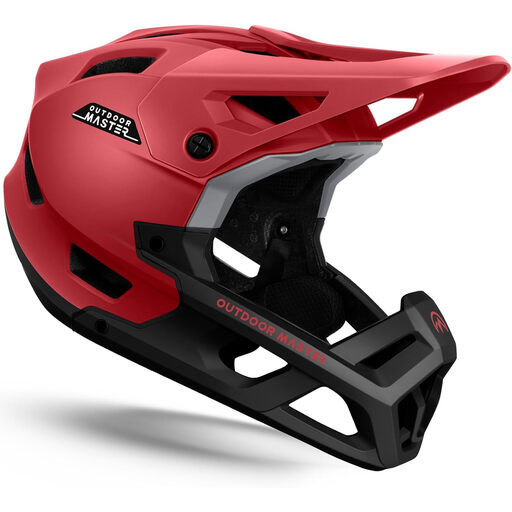
View Product: OutdoorMaster Full Face Mountain Bike Helmet
Why We Recommend This Product The OutdoorMaster helmet is a full-face helmet designed for maximum protection in demanding disciplines. The acrylonitrile butadiene styrene (ABS) outer shell offers high impact resistance, while the inner foam is made of expanded polypropylene (EPP). Special features include the EPP clavicle impact system and shock-absorbing pads in the chin bar. With 27 ventilation channels and a weight under 750 grams, it achieves a high degree of ventilation and comfort for this category.
Pros
Who It's For This model is aimed at riders in downhill, BMX, and aggressive enduro who require uncompromising protection for their face and head without sacrificing good ventilation.
If the models presented here do not exactly meet your requirements, or if you are looking for other gear such as protectors or apparel, you can find a wider selection in our Mountain Biking Gear category.
1. When should a mountain bike helmet be replaced? A helmet should be replaced after any significant impact, even if no external damage is visible. The shock-absorbing structure of the EPS foam is compressed during a crash and loses its protective properties. Regardless of crashes, most manufacturers recommend replacement every 3 to 5 years, as materials like plastics and foams can degrade over time due to UV radiation and environmental factors, reducing their protective performance.
2. What is the difference between an MTB helmet and a regular bicycle helmet? A bicycle helmet for mountain biking differs from a road bike helmet in several ways. It typically offers extended coverage at the nape and temple areas, as crashes in off-road terrain can occur from various angles. Additionally, most MTB helmets feature a visor that protects against sun, rain, and low-hanging branches. The ventilation is often designed for lower speeds and higher levels of exertion.