
Lieferung heute & morgen

Qualitätsgarantie

Willkommens-Angebote freischalten: KOSTENLOSE Lieferung | Bis zu 80 % RABATT | Kostenlose 30-Tage-JoyPlus-Testphase
App herunterladen
In the hustle and bustle of family life or with a packed schedule, ensuring a balanced intake of nutrients can be a challenge. A multivitamin juice can be a convenient supplement to support your daily diet in a simple and tasty way. But the market is vast, and the differences are often in the details.
This guide is here to help. We'll introduce objective criteria to assist your selection and present a range of products with different features. This way, you can make an informed decision that suits your family's needs.
To find the right vitamin-fortified fruit juice, it's worth taking a closer look at the label. Three key aspects will help you quickly evaluate a product's characteristics.
The term "multivitamin juice" is used for various types of drinks. A crucial feature is the fruit content. Products with 100% fruit content consist exclusively of fruit juice, often made from fruit juice concentrate. Fruit juice drinks, on the other hand, have a lower fruit percentage and also contain water and often added sugar.
Also, pay attention to the information about sugar. A multivitamin juice with no added sugar contains only the sugar naturally present in the fruit. The ingredients list provides clarity here: terms like "sugar," "glucose syrup," or "fructose" indicate added sugar.
Every vitamin juice is fortified with a mix of different vitamins, but the composition can vary. While many products offer a base supply of vitamins like C, E, and various B vitamins, others are specifically enriched with additional nutrients. For example, a juice with vitamin D can be a useful supplement, especially during the months with less sun. Check the nutrition facts table to see which vitamins are included, in what concentration, and what percentage of the daily requirement they cover.
For families and regular consumption, a bulk pack of juice is often the most practical and economical solution. Pay attention to the type of packaging—cartons protect the contents well from light, thus preserving the vitamins. After opening, juices should be stored in the refrigerator and consumed within a few days to maintain their quality. Unopened, they can often be stored for several months in a cool, dark place.
Based on the criteria mentioned, we have compiled a selection of products that cater to different needs and taste preferences.
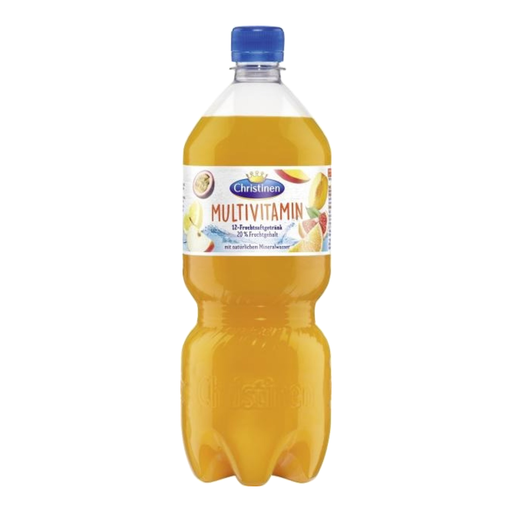
Why It Stands Out The Christinen Multivitamin Drink is a multi-fruit nectar with a fruit content of at least 20%. It combines local and exotic fruits for a refreshing, mildly sweet taste experience. Its base of natural mineral water makes it a lighter alternative to pure juices.
Advantages
Who Is It For? This drink is ideal for individuals and families looking for a lighter, vitamin-fortified refreshment who don't necessarily prefer a 100% juice. It works well as a thirst-quencher between meals.
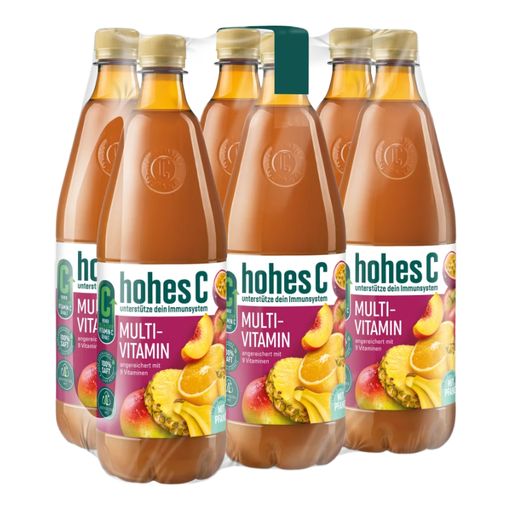
Why It Stands Out A classic among multivitamin juices, Hohes C Multivitamin stands for 100% fruit content with no added sugar. The juice is made from fruit juice concentrates as well as banana and nectarine purée, offering a full-bodied, rich fruit flavor.
Advantages
Who Is It For? This juice is an excellent choice for anyone looking for a pure vitamin-fortified fruit juice with no added sugar for daily enjoyment. It is a trusted companion for the family breakfast.
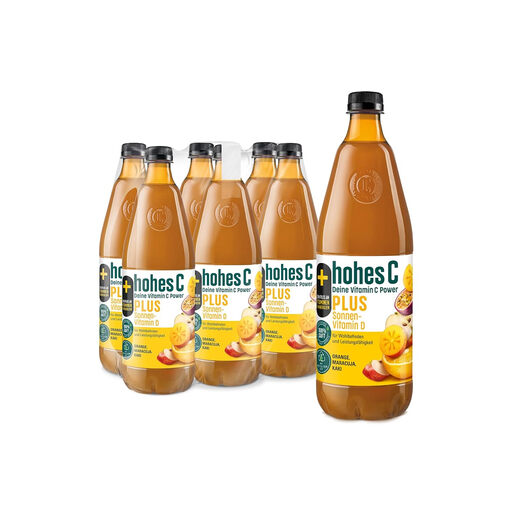
Why It Stands Out This juice from Hohes C takes it a step further, combining 100% fruit enjoyment with targeted fortification. The focus here is on supplementing with Vitamin D, which contributes to the normal function of the immune system.
Advantages
Who Is It For? Ideal for health-conscious individuals who want to specifically support their vitamin D intake, especially during the autumn and winter months. A great choice for anyone seeking a functional benefit in their daily vitamin juice.
Our selection already covers a range of needs, but the market offers many more varieties. If you're curious about other fruit combinations, vitamin profiles, or brands, we invite you to explore our full assortment.
Discover our full range of multivitamin drinks
To make not-from-concentrate juice, the fruit is pressed and the juice is bottled directly. For juice from concentrate, water is removed from the freshly pressed juice in its country of origin. This makes it easier to transport. Before bottling, the same amount of drinking water is added back to the concentrate. In terms of quality, both versions must meet the same strict standards.
Multivitamin juice is a food product, not a medicine. There is no universal recommended daily amount. Many manufacturers state on the packaging what percentage of the Nutrient Reference Value (NRV) for vitamins is covered by one serving (e.g., a 200 ml glass). It is advisable to consider the juice as part of a balanced and varied diet.
The surest way is to check the ingredients list. If you see terms like sugar, glucose syrup, fructose, or other sweeteners, sugar has been added. The "no added sugar" label on the front is also a reliable indicator. The note "contains naturally occurring sugars" confirms that the sweetness comes exclusively from the processed fruits.