
Lieferung heute & morgen

Qualitätsgarantie

Willkommens-Angebote freischalten: KOSTENLOSE Lieferung | Bis zu 80 % RABATT | Kostenlose 30-Tage-JoyPlus-Testphase
App herunterladen
By Joybuy Product Recommendation Officer, July 28, 2026
The juice aisle can be overwhelming. Colourful labels promise vitamins and health, but not every multivitamin juice delivers on its initial promise. Many consumers choose products that don't meet their needs, often swayed by clever marketing. Before you buy healthy juices again, you should know the most common pitfalls to make an informed decision.
Two common traps are particularly relevant:
To avoid these pitfalls, it's crucial to carefully examine the product information and understand which criteria truly matter for your personal needs.
To find the right fruit juice with vitamins, you should focus on a few key parameters instead of being guided by advertising slogans.
The foundation of any fruit juice is its fruit content. A 100% orange juice is made entirely from fruit. Pay attention to the distinction between not-from-concentrate juice (pressed directly from fruit) and juice from concentrate (water is added back after transport). Today, both methods are of high quality, but the decisive factor remains the sugar content. Always compare the "of which sugars" value per 100 ml to get a realistic assessment of the sweetness and calorie content.
Not everyone needs the same nutrients. Look specifically for products that meet your unique requirements:
For families or regular consumption, a bulk pack of juice is often the more economical and practical choice. Pay attention to the shelf life after opening. Most juices should be refrigerated and consumed within 3–4 days to preserve freshness and vitamin content.
Based on the criteria above, we have selected some products from our range that are suitable for different needs.
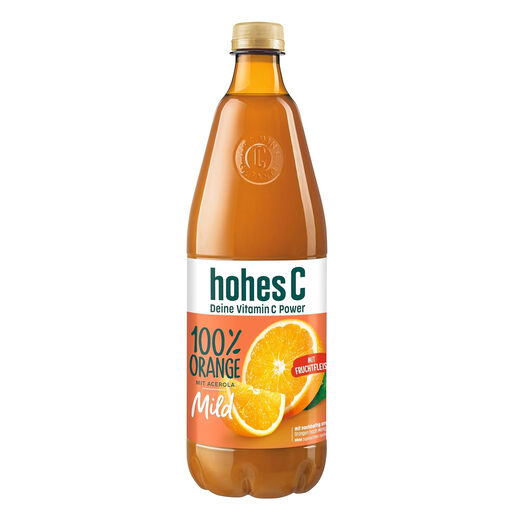
Why it's a good fit: This juice is specially designed for those who want the full flavour of orange juice without the high acidity. It's a great choice for a daily breakfast without irritating the stomach.
It directly addresses the issue of acidity, which can cause discomfort with many standard orange juices, by offering an explicitly mild alternative.
Made from 100% juice and is naturally low in acid without compromising on fruit flavour. Contains added vitamin C from the acerola cherry.
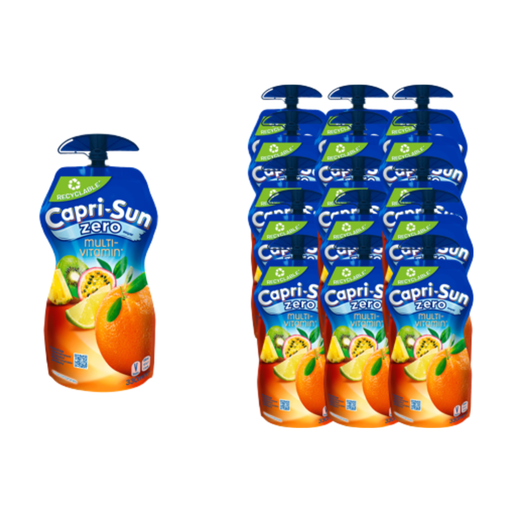
Why it's a good fit: For anyone who wants the fruity taste of a multivitamin drink without the sugar and calories. Ideal for on-the-go or as a light refreshment between meals.
This drink completely bypasses the "hidden sugar" trap, as it's made with sweeteners instead of sugar, resulting in only 3 kcal per 100 ml.
Offers vitamin fortification (C, E, B vitamins) with minimal calorie and sugar content. The convenient Capri-Sun Multivitamin pouches are perfect for on-the-go.
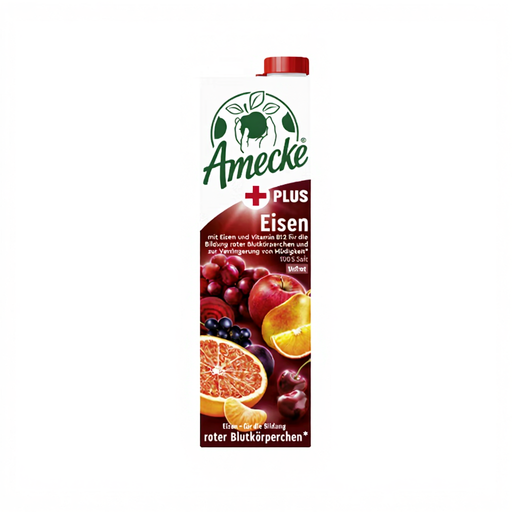
Why it's a good fit: This juice is designed for individuals who want to specifically supplement their diet with iron. The combination with vitamin C and B12 is formulated for good iron absorption.
Instead of a vague vitamin mix, this juice with iron offers a clear, targeted nutrient combination with a clearly stated purpose.
According to the manufacturer, one glass (200 ml) covers 30% of the reference value for iron and 100% for vitamin C and B12. The multi-fruit juice base ensures a pleasant taste.
We've compiled a complete, up-to-date list of products that fully meet these strict selection criteria and German regulations.
1. How long does an opened multivitamin juice last? Once opened, a multivitamin juice should always be stored in the refrigerator. Most manufacturers, such as Hohes C Saft, recommend consuming it within 3 to 4 days. Always check the specific instructions on the packaging, as shelf life can vary by product.
2. Is juice from concentrate lower in quality than not-from-concentrate juice? Not necessarily. In the production of juice from concentrate, water is removed from the fruit after harvesting and added back at the bottling location. This process is gentle and standardised. Vitamins that may be lost can often be added back, so the nutritional value can be comparable to that of a not-from-concentrate juice. The overall quality of the ingredients and the nutrition facts are the decisive factors.
3. What does "no added sugar" actually mean on fruit juices? The "no added sugar" label is regulated by law for fruit juices and some other products. It means that no additional types of sugar (like sucrose, glucose syrup) or sweetening foods have been added to the product beyond the sugar naturally present in the fruit. However, it is not a statement about the total sugar content, which can be high in juices made from sweet fruits.