
Lieferung heute & morgen

Qualitätsgarantie
App herunterladen
Kategorien
Muslin cloths, also known as burp cloths or muslin squares, are a fundamental part of any newborn essentials kit. Their functionality extends far beyond simply wiping up spills. They serve as a lightweight baby blanket, swaddle, nursing cover, or even a makeshift changing mat. Choosing the right cloth depends on its material properties, size, and intended use. This guide breaks down the technical criteria essential for making an informed purchasing decision.
Your choice of muslin cloth should be based on objective parameters. The following criteria are crucial for practical use.
The material is the most important factor for skin-friendliness, absorbency, and durability.
A cloth's dimensions define its potential uses:
Absorbency is directly related to the material's density and the number of fabric layers. Multi-layered cloths (e.g., four or six layers) can absorb significantly more liquid than single-layer versions. This is particularly relevant if the cloth is primarily used as a burp cloth. At the same time, more layers increase the weight and drying time.
Hygiene is a key consideration for baby textiles. Look for products that can be washed at high temperatures. A wash temperature of 60°C is effective at eliminating germs and bacteria. Products with the "Oeko-Tex Standard 100" label are tested for harmful substances and offer additional safety for direct skin contact.
The following products have been selected for their specific technical features and practical benefits across different use cases.
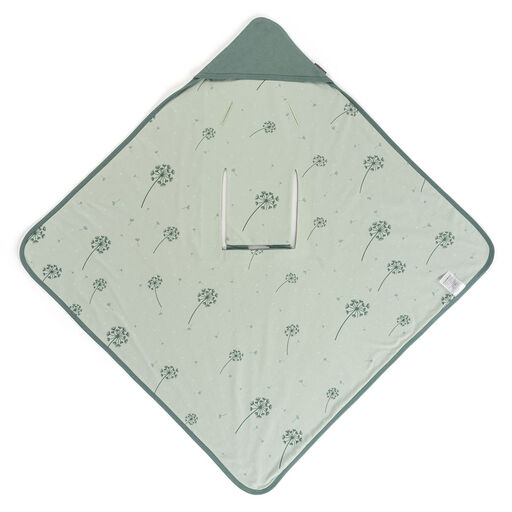
Why we recommend this product: The Zamboo blanket is designed as a multifunctional swaddle blanket. Its key features are the integrated harness slots for 3- and 5-point harness systems. This allows it to be securely fastened in infant car seats and strollers without compromising the harness's safety features. The hood protects the baby's sensitive head area from draughts.
Pros:
Best for: Parents looking for a safe and practical solution for transporting their baby in an infant car seat or stroller, especially during the transitional seasons.
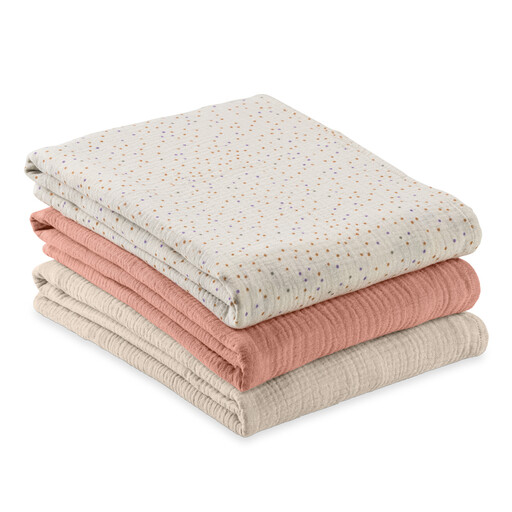
Why we recommend this product: This set from hauck stands out for its high versatility and hygienic care properties. The cloths are made from muslin cotton and, according to the manufacturer, can be washed at 60°C, ensuring the thorough removal of milk and food residue. The 3-pack offers excellent value for money for your newborn essentials.
Pros:
Best for: Parents who want a versatile, all-rounder set for their basic essentials and prioritise maximum hygiene.
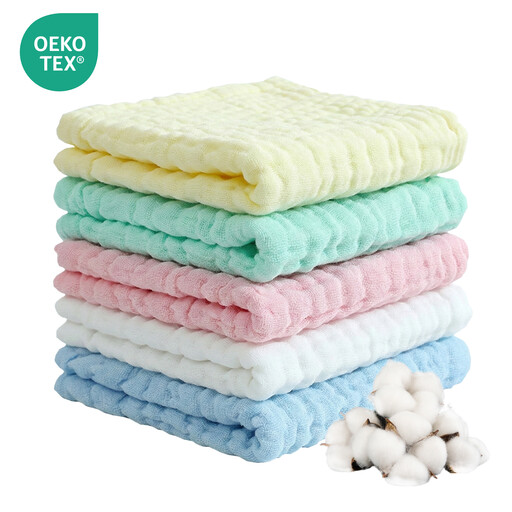
Why we recommend this product: The LeBonsoir cloths are specifically optimised to function as burp cloths. Their six-layer construction of 100% cotton ensures very high absorbency. The compact 30 x 50 cm format is ideal for draping over the shoulder and fits neatly into any diaper bag.
Pros:
Best for: Parents specifically looking for highly absorbent and convenient burp cloths for frequent use.
Individual requirements for baby textiles can vary. Depending on your preferences for design, size, or material properties, other models may be more suitable. You can find a wider selection of designs, sizes, and sets in our Burp Cloths category.
1. How many muslin cloths do you need for a newborn? The number you need is individual and depends on frequency of use. A common recommendation is between 8 and 15 cloths. It's a good idea to have a mix of large cloths (e.g., 80 x 80 cm) for swaddling and as a blanket, as well as smaller, absorbent burp cloths.
2. What is the difference between muslin cloths and burp cloths? The term "muslin cloth" describes the fabric—a lightweight, loosely woven cotton cloth (often simply called muslin). The term "burp cloth" describes its primary function: wiping up liquids after feeding. In practice, muslin cloths are very often used as burp cloths, so the terms are frequently used interchangeably.
3. Can you use muslin cloths as a swaddle? Yes, provided the cloth is large enough. A format of at least 80 x 80 cm is required to swaddle a newborn safely and correctly. It is important to use a hip-healthy swaddling technique that allows the baby's legs enough freedom of movement.