
Lieferung heute & morgen

Qualitätsgarantie
App herunterladen
Kategorien
For both tenants and homeowners, fitting windows with privacy and sun protection can be a challenge. Drilling into window frames or walls is often undesirable or even prohibited by rental agreements. Drill-free mounting systems offer a practical solution. These systems typically rely on clamp-on or adhesive mechanisms, allowing for a damage-free installation. This article analyses the technical features of various blind types and presents a curated selection of products for 2026.
When choosing a no-drill roller blind, several technical parameters must be considered. The right choice depends on your specific requirements for light control, privacy, and the characteristics of your window.
The most common method for drill-free installation is the clamp-on roller blind. This involves attaching adjustable clamp brackets directly onto the window sash.
Adhesive systems are an alternative, where the blind is attached directly to the window sash or pane using special adhesive strips. However, these are often less durable and may leave residue upon removal.
The blind's fabric determines its function as a privacy screen for windows or a sun protection blind.
The following selection is based on an analysis of the products' technical specifications and practical benefits.
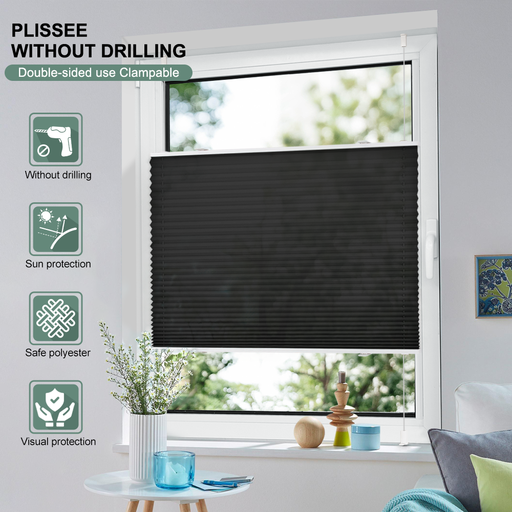
Why we recommend this product: The EcoHue Pleated Blind combines a tool-free clamp-on installation with the functional advantages of an opaque fabric. Its construction, featuring aluminium top and bottom rails, ensures stability and long-lasting performance. The pleated design offers a modern aesthetic compared to standard roller blinds.
Advantages (Pros):
Who it's for: Users seeking a quick, damage-free solution for bedrooms, children's rooms, or media rooms where maximum blackout and privacy are essential.
View Product: EcoHue No-Drill Pleated Blind, Clamp-On Folding Blind
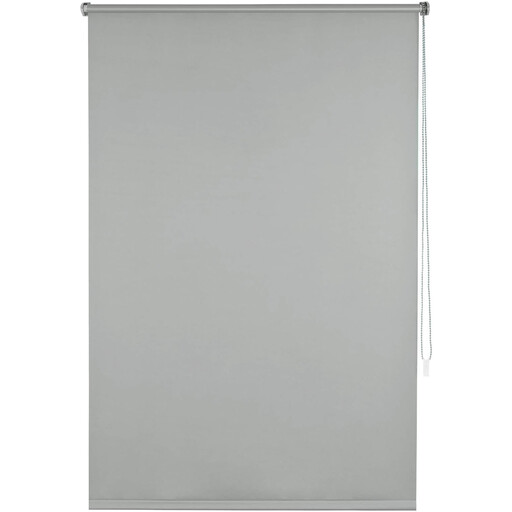
Why we recommend this product: This blackout blind from EUGAD stands out due to its thermal coating on the reverse side. This feature not only provides a complete light blockade but also helps regulate room temperature. The mounting options are flexible: in addition to the clamp-on installation for window frames 1–2 cm thick, a screw set is included for alternative wall or ceiling mounting.
Advantages (Pros):
Who it's for: Users who want effective privacy and light control while also improving energy efficiency by blocking heat in the summer and cold in the winter.
View Product: EUGAD No-Drill Blackout Blind, Thermal Roller Blind
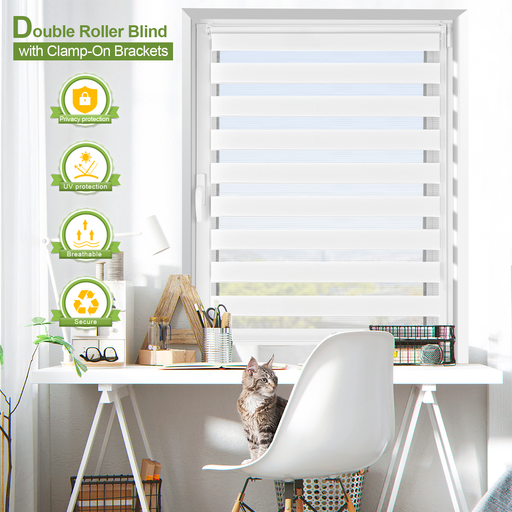
Why we recommend this product: The EcoHue dual roller blind offers maximum control over light and privacy with its two fabric layers of alternating sheer and opaque segments. The tool-free clip-on mounting system makes installation straightforward. This design allows for precise light management, from gently filtered light to complete privacy.
Advantages (Pros):
Who it's for: Users who need a flexible solution for rooms where light and privacy needs change throughout the day, such as living rooms or workspaces.
View Product: EcoHue DuoRollo Clamp-On Dual Roller Blind, No-Drill
If the featured models do not perfectly match your window dimensions or design preferences, a wider range of solutions is available. You can find a larger selection of roller blinds, pleated blinds, and other window treatments in our main category.
Discover More Products in the Window Treatments & Curtains Category
1. How exactly does a no-drill roller blind work? A no-drill roller blind is typically attached using clamp brackets. These brackets are placed over the top edge of the window sash and tightened with a screw mechanism. The blind itself is then hooked into these holders. The system uses the window sash as its mounting point, leaving walls and window frames undamaged.
2. Is a clamp-on roller blind really secure? When installed correctly on a compatible window sash (usually uPVC windows with a standard thickness), clamp-on systems provide a secure and stable hold for daily use. It is crucial to adhere to the manufacturer's specified maximum sash thickness and to tighten the brackets firmly without damaging the frame. For very large or heavy blinds, an additional screw-in installation may be a more stable alternative.