
Lieferung heute & morgen

Qualitätsgarantie

Willkommens-Angebote freischalten: KOSTENLOSE Lieferung | Bis zu 80 % RABATT | Kostenlose 30-Tage-JoyPlus-Testphase
App herunterladen
A cluttered shower, with shampoo bottles and shower gels lining the floor or a narrow tub edge, is a daily frustration. Especially in rental properties, drilling into tiles is often not an option to avoid permanent damage and disputes with the landlord. A no-drill shower caddy offers a practical and flexible solution to create order without damaging your walls.
This guide introduces various mounting methods and models to help you choose the right shower shelf for your bathroom. We focus on objective criteria such as material, installation type, and load capacity.
Before you decide on a model, a few practical considerations are helpful. The right choice depends on the conditions in your bathroom and your personal needs.
The type of installation is the key criterion for a drill-free solution. Each method has its own specific features:
The material affects not only the look but also the durability and maintenance of the shower shelf.
The shape should suit the available space in your shower.
Here is a selection of models that meet different requirements for installation, material, and design.
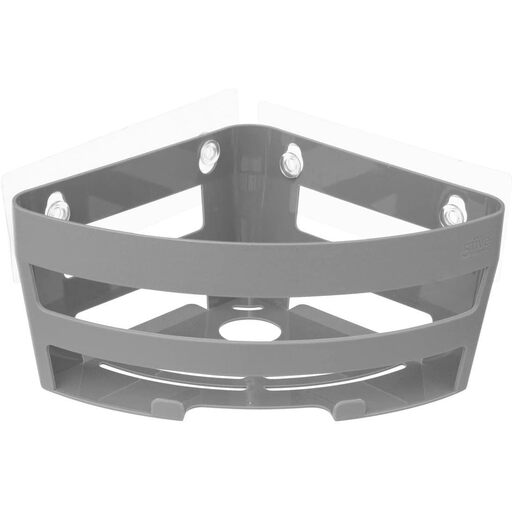
Why it stands out: This model combines a space-saving corner design with reliable adhesive mounting. It's a discreet and stable solution for organising shower essentials in the corner of your shower stall.
Advantages:
Who it's for? For those who want a permanent but drill-free solution for a smaller shower and wish to make optimal use of corner space.
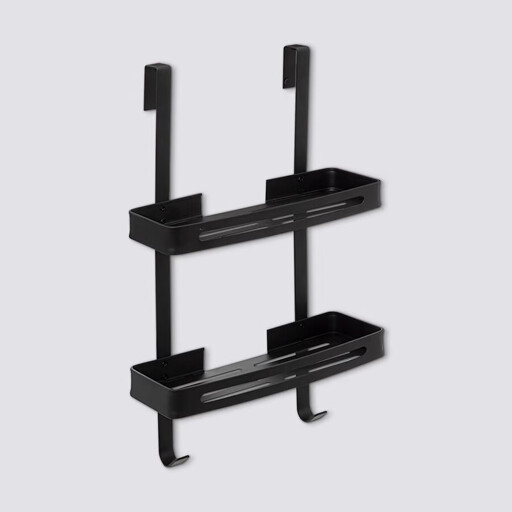
Why it stands out: This hanging shower caddy offers maximum flexibility with zero installation. Crafted from durable aluminium, it can be easily hung over a shower wall or fixture and repositioned as needed.
Advantages:
Who it's for? For users who prefer a hassle-free, flexible storage solution without permanent installation and need enough space for several large bottles.
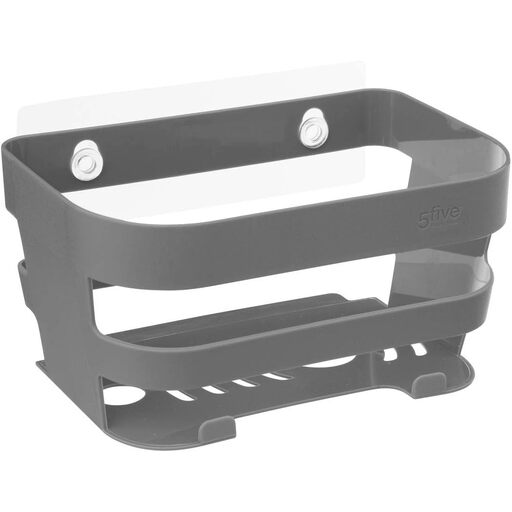
Why it stands out: This compact, rectangular shelf attaches with a suction cup, allowing it to be repositioned at any time without leaving residue. It is an ideal solution for smooth tiles and glass walls.
Advantages:
Who it's for? For renters, students, or anyone looking for a highly flexible and non-permanent storage solution for smooth surfaces.
Haven't found the right solution yet? A well-organised shower area is just one part of a tidy bathroom. If you're looking for more models or other organisational aids, you'll find a wider selection in our category.
Discover more products in the Toiletry Storage Baskets category here.
The load capacity varies depending on the model and mounting type. Adhesive and hanging models often support more weight, typically between 3 kg and 6 kg. Suction cup systems generally have a slightly lower load capacity. It's important to always follow the manufacturer's specifications for maximum load to prevent it from falling.
Modern adhesive systems are specially designed for damp environments like the bathroom. When applied correctly to a clean, dry, and smooth surface, they provide a very strong and long-lasting bond. Most adhesives can later be removed with special tools or solvents, but this requires some effort.