
Lieferung heute & morgen

Qualitätsgarantie
App herunterladen
Kategorien
The selection of noise-cancelling in-ear headphones is based on an analysis of technical specifications relevant to the user's daily life. The ability to reduce ambient noise is just one of many parameters. Equally crucial are audio quality, battery life, connectivity, and wearing comfort. This article highlights the essential criteria for an informed purchasing decision and presents two models with different technological focuses.
The evaluation of True Wireless Earbuds should be based on objective technical data. The following aspects are central to performance and practical utility.
Active Noise Cancellation neutralises ambient noise by generating anti-noise waves. Its effectiveness is often specified in decibels (dB). Modern systems use adaptive ANC, which automatically adjusts to the environment—whether on a plane, in the underground, or at a café. Hybrid ANC combines outward- and inward-facing microphones to capture and suppress a broader frequency spectrum of noise.
Audio transmission via Bluetooth requires compression. The codec used determines the quality.
A Hi-Res Audio certification signals that the headphones are capable of reproducing frequencies beyond the standard 20 kHz range, which can result in a more detailed soundscape.
A long battery life is a crucial factor for mobile users. It's important to distinguish between the earbuds' runtime on a single charge and the total runtime, including the energy stored in the charging case. A fast-charging function, which provides several hours of playback after just a few minutes of charging, significantly increases flexibility in daily life.
The Bluetooth version (e.g., 5.3, 5.4, or higher) affects connection stability, range, and energy efficiency. Multipoint connectivity allows for a simultaneous connection to two devices, such as a laptop and a smartphone.
The IP certification indicates the level of protection against water and dust. For example, IPX5 waterproof headphones are protected against water jets from any angle, making them suitable as sports headphones for workouts in the rain or during heavy sweating.
For clear phone calls, high-quality microphone systems are essential. Models with multiple microphones per side and AI-powered noise filtering (often referred to as cVc or ENC) can effectively isolate the speaker's voice from ambient noise. Therefore, headphones with a microphone are an important criterion for professionals and commuters.
Some modern earbuds with a charging case display offer additional control options directly on the case, without needing to pick up the smartphone.
Based on the criteria mentioned above, we present two models that stand out due to their specific technical features and use cases.
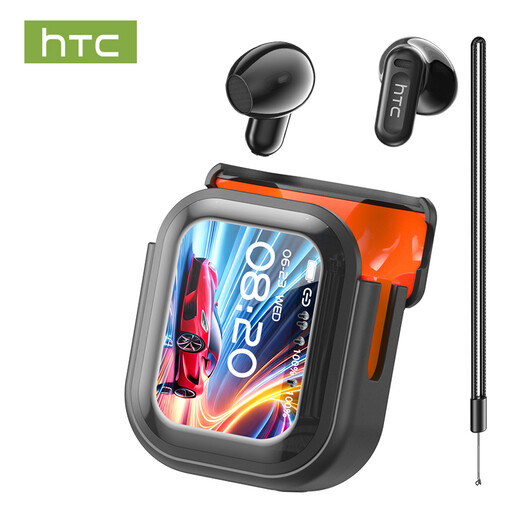
Why We Recommend This Product: The HTC NE20 model is distinguished by a combination of advanced technology features. Particularly noteworthy is the full-colour LED touch display on the charging case, which enables direct control of functions. The adaptive hybrid noise cancellation, with a specified depth of up to -50 dB, and the extremely long total battery life of up to 55 hours position this model for tech-savvy users with high mobility needs.
Pros:
Who It's For: This model is aimed at users who value innovative features like a smart charging case display, maximum battery life for long journeys, and strong noise cancellation. The ability to personalise the case display also appeals to a target audience that views technology as an expression of their style.
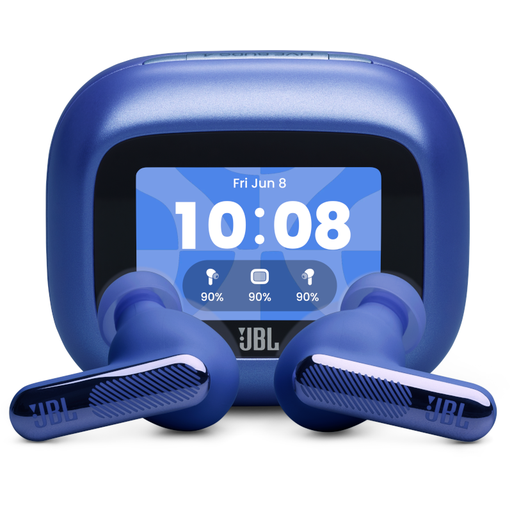
Why We Recommend This Product: The JBL LIVE BEAM 4 focus on a sophisticated audio performance combined with proven smart features. With JBL Signature Sound, Hi-Res Audio, and immersive Spatial Sound, they offer a comprehensive sound experience. The redesigned Smart Charging Case and IP55 certification make them a robust and versatile companion for daily life and sports activities.
Pros:
Who It's For: The JBL LIVE BEAM 4 are ideal for users who prioritise high audio quality and a proven brand ecosystem. Commuters, athletes, and audiophiles looking for a reliable all-rounder for music, podcasts, and phone calls will find a technically solid solution here.
The models presented here cover specific requirement profiles. However, the market for audio technology is diverse and offers solutions for different preferences and budgets. If you are looking for alternative designs, features, or price points, you can find an expanded selection in our good headphones category.
1. What does IPX5 mean for headphones? The IP rating classifies the protection of electronic devices against the ingress of foreign objects (first digit) and water (second digit). The "X" in IPX5 means that no specific test for dust protection was conducted. The digit "5" certifies that the device is protected against water jets (e.g., from a nozzle) from any angle. In practical terms, this means the headphones can withstand heavy rain and sweat, making them suitable for sports activities.
2. How exactly does Active Noise Cancelling (ANC) work? Active Noise Cancelling (ANC) uses microphones to capture external sound waves (ambient noise). An internal processor analyses this noise and generates an exact anti-noise wave in real time (a wave that is 180 degrees out of phase). When the original sound wave and the artificially generated anti-noise wave overlap, they cancel each other out (destructive interference). The result is a significant reduction in perceived noise, especially for constant, low-frequency sounds like aircraft engines or the rumble of a train.
3. Can you make good phone calls with in-ear headphones? The call quality of in-ear headphones has improved significantly with the use of multiple microphones and advanced software algorithms. Models with beamforming technology focus the microphones on the speaker's voice, while Environmental Noise Cancellation (ENC) algorithms filter out disruptive background noise like wind or traffic. A headphone with a microphone that features at least two to three microphones per side typically provides clear and intelligible voice transmission for phone calls and video conferences.