
Lieferung heute & morgen

Qualitätsgarantie

Willkommens-Angebote freischalten: KOSTENLOSE Lieferung | Bis zu 80 % RABATT | Kostenlose 30-Tage-JoyPlus-Testphase
App herunterladen
Choosing to skip alcohol doesn't mean you have to miss out on enjoyment or social rituals. Whether it's a festive dinner, a celebration, or a relaxing evening, a good glass of wine is part of the experience for many. In recent years, non-alcoholic wine has evolved from a niche product into a high-quality alternative that wins over even the most discerning palates.
This guide is here to help. We'll introduce a selection of products and provide you with objective criteria to help you find the perfect non-alcoholic wine for your taste and occasion.
The market for non-alcoholic wines is growing, and the selection is more diverse than ever. To make an informed decision, it's helpful to understand a few key basics.
Most high-quality non-alcoholic wines are made using a process called dealcoholization. This involves removing the alcohol from a traditionally fermented wine, often through vacuum distillation at low temperatures. This process is crucial as it helps to largely preserve the original aromas and character of the wine. The result is a beverage that closely mimics the taste of the original but without the effects of alcohol.
In Germany, there is an important legal distinction in labelling:
Just as with traditional wine, there's a non-alcoholic variety for every occasion:
Based on objective product characteristics such as origin, grape variety, and flavour profile, we have curated a selection that caters to a range of preferences.
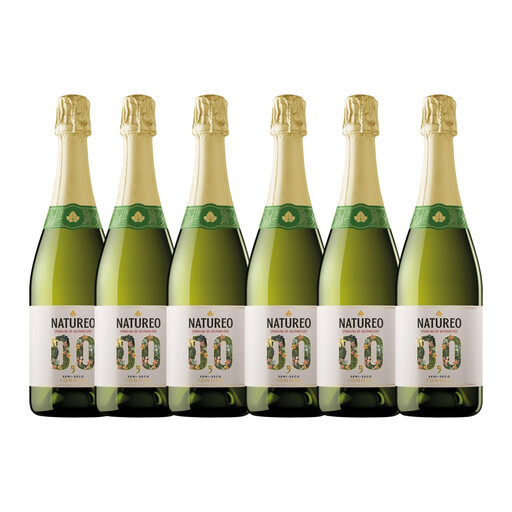
Why it stands out: This non-alcoholic sparkling wine comes from the renowned Spanish winery Familia Torres. It is made from 100% aromatic Muscat grapes and offers a festive experience with a guaranteed 0.0% alcohol.
Benefits:
Who it's for: Ideal for anyone who wants to raise a toast at celebrations without consuming alcohol. It serves as an excellent aperitif and pairs well with poultry and vegetarian dishes.
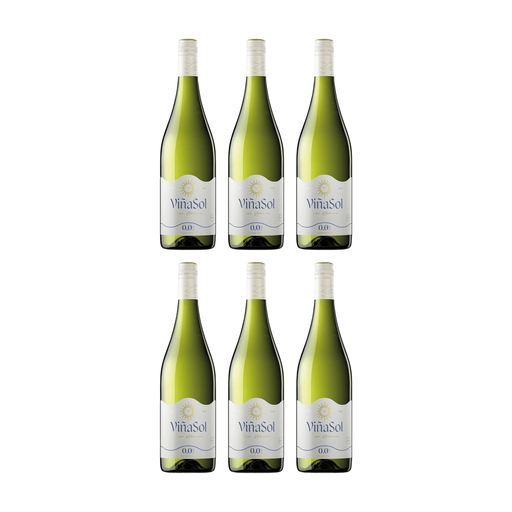
Why it stands out: Vi?a Sol is one of Spain's most famous white wines. With this 0.0% version, the Torres non-alcoholic brand captures the beloved character of the original in an alcohol-free format. A dry and refreshing delight.
Benefits:
Who it's for: An excellent choice for lovers of dry white wines. It pairs perfectly with light meals like cheese, grilled chicken, and sushi, or can be enjoyed on its own as a refreshing drink on warm days.
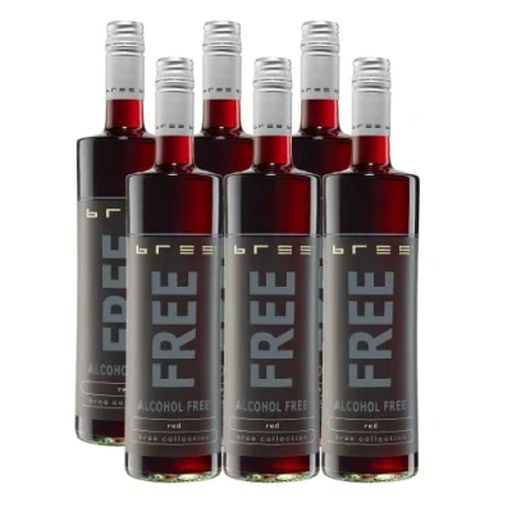
Why it stands out: This non-alcoholic red wine from Germany offers a rich and fruity taste experience. A gentle dealcoholization process allows it to retain its varietally-true bouquet.
Benefits:
Who it's for: For anyone looking for an approachable, fruit-forward red wine without the alcohol. It pairs well with a variety of dishes or can be enjoyed on its own.
Didn't find the right option for you, or want to explore the variety further? Discover a wider selection of beverages for special moments in our Non-Alcoholic Aperitif category.
1. Is there residual alcohol in non-alcoholic wine? That depends on the label. In Germany, products declared as "alkoholfrei" (alcohol-free) can legally contain up to 0.5% ABV. If you want or need to avoid alcohol completely, you should specifically look for products with the "0.0% alcohol" label, such as the Natureo Sparkling or Vi?a Sol 0.0%.
2. Is non-alcoholic wine lower in calories? Yes, as a rule. Since alcohol itself is a significant source of energy (approx. 7 kcal per gram), non-alcoholic wine has significantly fewer calories than its alcoholic counterpart. While a dry wine often has over 80 kcal per 100 ml, many non-alcoholic versions range between 20 and 30 kcal, as shown by the products featured. This makes it a great choice for a calorie-conscious diet.
3. Can you drink non-alcoholic wine during pregnancy? This is an important question that requires careful consideration. Products explicitly labelled "0.0% alcohol" contain no measurable alcohol and are therefore often considered safe. For wines labelled "alcohol-free" (up to 0.5% ABV), it is often recommended to consult with a doctor or midwife for safety. Some manufacturers, as with the BREE Free, also include an explicit note on the label stating that the product is not recommended for pregnant women despite its low alcohol content. Therefore, the safest choice is always a product with the 0.0% declaration.