
Lieferung heute & morgen

Qualitätsgarantie

Willkommens-Angebote freischalten: KOSTENLOSE Lieferung | Bis zu 80 % RABATT | Kostenlose 30-Tage-JoyPlus-Testphase
App herunterladen
The market for non-alcoholic beverages is booming, and the selection of alternatives to wine, sparkling wine, and aperitifs is larger than ever. But with more variety comes more uncertainty. Many products fail to deliver on their promises, leading to disappointment. The most common issues are an unexpectedly sweet, juice-like taste or unclear information about the actual alcohol content. This guide will help you identify the crucial quality markers and make an informed choice that suits your occasion and palate.
To avoid falling into the common traps, you should check three key aspects. These will give you a reliable orientation, regardless of marketing promises.
The quality of a non-alcoholic wine depends heavily on how the alcohol was removed. Modern techniques like vacuum distillation are particularly gentle. This process involves evaporating the alcohol at low temperatures, which helps preserve a significant portion of the original wine's aromas. In contrast, simpler methods can lead to a noticeable loss of flavour, which producers sometimes try to compensate for by adding sugar or flavourings. A mention of a gentle process in the product description can be an indicator of a higher-quality product.
One of the most frequent complaints about non-alcoholic wine is an overly sweet taste. This is often due to a high residual sugar content or added sugar, intended to compensate for the lack of body and mouthfeel from alcohol. A look at the nutritional information is essential. Compare the "of which sugars" value per 100 ml. Products with a low sugar content (typically under 5 g per 100 ml) are more akin to dry wines, while higher values indicate a sweeter profile. This allows you to specifically select a 0.0 wine that matches your preference.
In many regions, there is an important legal distinction that is often overlooked:
For individuals who must or wish to avoid alcohol completely—such as pregnant or breastfeeding women, or people with certain health conditions—choosing a product with the "0.0% Alcohol" label is the safest option.
Based on objective criteria, we have curated a selection of products for various needs and preferences.
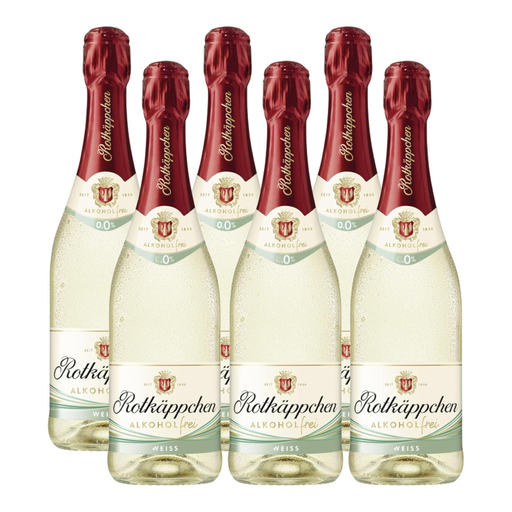
Why it's a great fit: Ideal for hosts who want to offer all guests a stylish way to toast together. As a well-known German sparkling wine producer, Rotk?ppchen provides a familiar and accessible option for celebrations.
The product is positioned as a sparkling wine alternative, which clearly sets expectations. The focus is on effervescent lightness for toasting, not the complexity of a still wine.
Offers the typical, lively character of the Rotk?ppchen brand and is produced using a gentle de-alcoholisation process. Contains less than 0.5% alcohol according to the manufacturer.
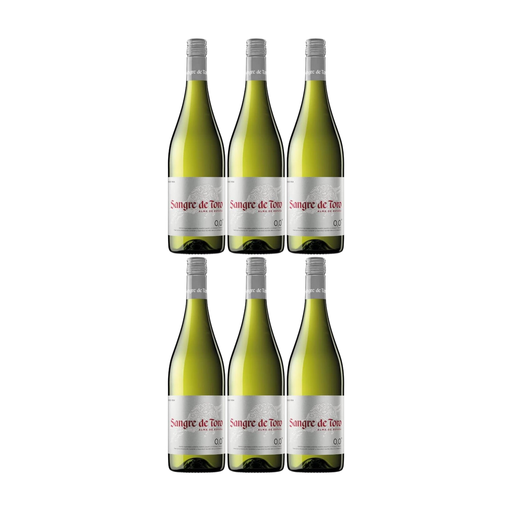
Why it's a great fit: For those seeking the character of a dry white wine without the sweetness. Ideal as a food pairing for light dishes or as a refreshing aperitif.
With only 3.8 g of sugar per 100 ml and a fine acidic structure, this product actively counteracts the "sweetness trap." The "0.0% Alcohol" label also provides clarity.
Made from 100% Muscat grapes, it offers a clean, fruity flavour profile with notes of citrus and green apple. Guaranteed 0.0% alcohol.
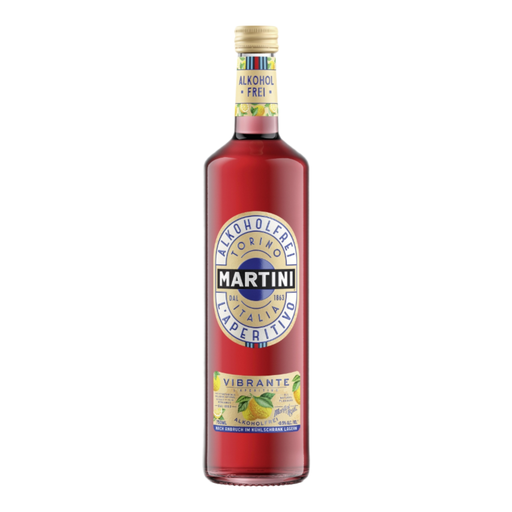
Why it's a great fit: An excellent choice for anyone who appreciates a complex, bittersweet pre-dinner drink. This non-alcoholic aperitif offers a sophisticated flavour world beyond wine.
Since this is an aperitif and not a wine, the expectation of a wine-like aroma is bypassed from the start. The focus is on botanical notes and a citrusy bitterness.
Based on de-alcoholised wine that is enhanced with natural botanicals to create a complex flavour profile. Contains less than 0.5% alcohol according to the manufacturer.
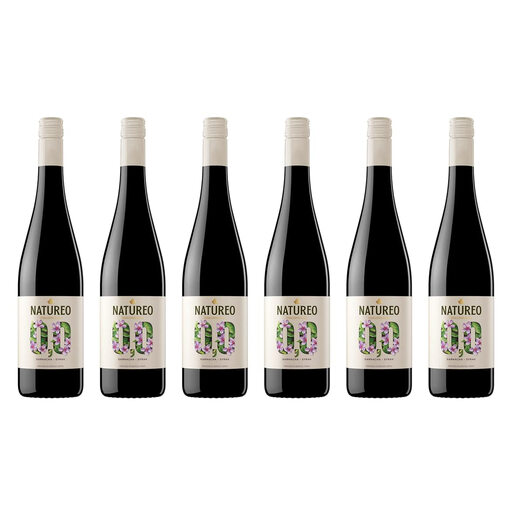
Why it's a great fit: A solid option for those seeking a structured non-alcoholic red wine that also works well as a pairing for Mediterranean dishes or cheese.
Many non-alcoholic red wines can seem thin. This product, made from Garnacha and Syrah grapes, is described as soft, with gentle tannins and a pleasant structure, suggesting more body.
Aromas of ripe red fruits and a light spice. With 3.8 g of sugar per 100 ml, it falls into the off-dry category and is guaranteed to be 0.0% alcohol.
We've compiled a complete, up-to-date list of products that fully meet these strict selection criteria and regulatory standards.
The process is called de-alcoholisation. It involves removing the alcohol from a finished wine. The most common and gentle method is vacuum distillation, where the alcohol evaporates at low temperatures. This helps to better preserve the delicate aromas of the wine compared to other methods.
Non-alcoholic wine approximates the flavour profile of its alcoholic counterpart, but it is not an exact copy. Alcohol is a crucial flavour carrier and gives wine its body and texture. Good non-alcoholic wines compensate for this with balanced acidity, fruit concentration, and sometimes a fine tannin structure, rather than just relying on sugar.
Products declared "alcohol-free" can contain up to 0.5% ABV. Although this level is very low—comparable to that in some fruit juices or ripe bananas—it is generally recommended that pregnant and breastfeeding women err on the side of caution. The safest choice is products with the explicit "0.0% alcohol" label. When in doubt, medical advice should always be sought.