
Lieferung heute & morgen

Qualitätsgarantie

Willkommens-Angebote freischalten: KOSTENLOSE Lieferung | Bis zu 80 % RABATT | Kostenlose 30-Tage-JoyPlus-Testphase
App herunterladen
Choosing the right yoga mat depends on an analysis of technical parameters that directly impact stability and comfort during your practice. A non-slip yoga mat is not a preference, but a functional necessity for proper asana execution and injury prevention. The mat's adhesion to the floor and its grip for your hands and feet are critical performance indicators. This guide analyses key features like material, thickness, and surface texture to help you make an informed purchasing decision.
The performance of an exercise mat is defined by the interplay of material, dimensions, and texture. An objective evaluation of these factors is essential for selecting the right model.
The material is the core factor determining grip, cushioning, durability, and weight.
TPE (Thermoplastic Elastomers): This material is a synthetic blend that combines the properties of rubber and plastic. TPE mats are known for their closed-cell structure, which makes them moisture-resistant and easy to clean. They offer a good balance of lightness and cushioning. Their non-slip quality is achieved through the material's density and an embossed surface texture. TPE is also recyclable, making it an option for eco-conscious users.
Cork: As a natural material, cork is harvested from the bark of the cork oak tree. The surface of cork mats has a unique property: its grip increases with contact with moisture (e.g., sweat). This makes them particularly suitable for dynamic yoga styles or Hot Yoga. Cork is naturally antimicrobial and sustainable. The underside is often made of TPE or natural rubber to ensure it doesn't slip on the floor.
The thickness of a fitness mat, measured in millimetres, affects both comfort and stability.
The surface texture is crucial for mechanical grip. Wave, dot, or line patterns increase friction and prevent slipping. A double-sided texture ensures that both the user on the mat and the mat on the floor remain secure.
For transport, the weight and the inclusion of a carrying strap are relevant. A yoga mat with a carrying strap is easy to roll up, secure, and transport, facilitating its use at the studio, outdoors, or while travelling.
Based on the technical criteria above, here is a selection of mats that stand out for their specific features.
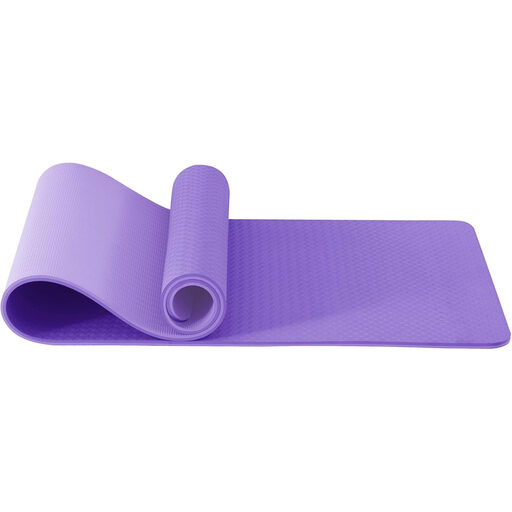
Product Feature Analysis: With a thickness of 10 mm, this model clearly focuses on maximum cushioning. The TPE material provides a soft yet supportive surface. The double-sided anti-slip structure—a ribbed texture on the front and a wavy texture on the back—is designed to secure the mat on various floor types and provide grip for the user.
Advantages:
Who It's For: Individuals looking for a Pilates mat or an exercise mat with maximum padding. Ideal for beginners, users with sensitive joints, or for gentler yoga styles and floor exercises.
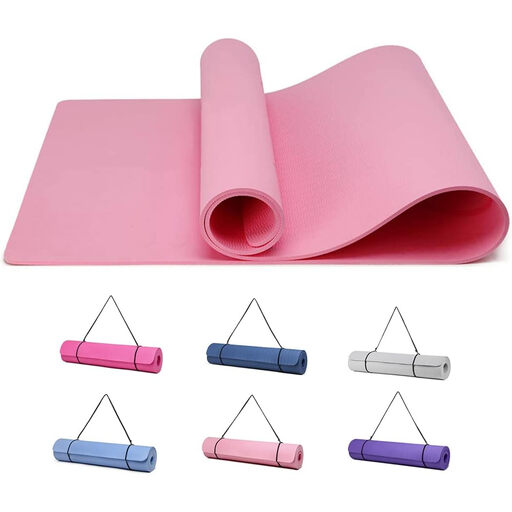
Product Feature Analysis: At 6 mm thick, this TPE mat offers a balanced combination of cushioning and stability. It is thinner than the 10 mm model, allowing for better floor contact and more stability in balance poses, while still providing sufficient padding for comfort. The dual-layer, anti-slip structure, with a line pattern on the front and a wave pattern on the back, is designed for a secure grip.
Advantages:
Who It's For: All-rounders and yoga practitioners from beginner to advanced levels who need a versatile, non-slip exercise mat for various types of training at home or in the studio.
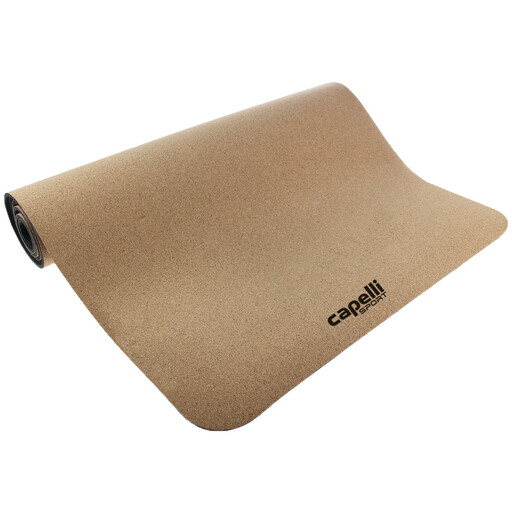
Product Feature Analysis: This mat combines a 5 mm thick cork surface with a TPE base. The primary function of the cork layer is to increase grip when exposed to moisture. This is a physical advantage for sweaty workouts. The TPE underside provides the necessary adhesion to the floor.
Advantages:
Who It's For: Users who practice Hot Yoga, Vinyasa, or other dynamic styles where heavy sweating is common. Also a great choice for eco-conscious individuals.
If these models do not meet your specific requirements, or if you wish to expand your equipment, you can find a broader selection of sports and training accessories in our Women's Sports & Training category.
1. How do you properly clean a non-slip yoga mat? Cleaning depends on the material. TPE mats can be wiped down with a damp cloth and a mild soap solution. Cork mats should also only be cleaned with a damp cloth, avoiding harsh detergents to prevent damage to the natural material. In all cases, the mat must be allowed to air-dry completely before being rolled up again. Machine washing is not recommended for most mats.
2. What is the difference between a yoga mat and a general fitness mat? A yoga mat is primarily designed for grip and stability for barefoot exercises. A general fitness mat or exercise mat often focuses more on cushioning and durability to withstand abrasion from shoes and the weight of dumbbells. Yoga mats tend to be thinner to allow for better floor contact, while fitness mats are often thicker to provide padding for exercises like sit-ups or planks.
3. Which material offers the best non-slip performance? Non-slip performance depends on several factors. TPE offers very good dry grip due to its density and embossed textures. Cork is distinguished by its grip increasing with moisture, making it advantageous for sweaty workouts. The choice, therefore, depends on the intended use: for most types of yoga, high-quality TPE is sufficient, while for Hot Yoga, cork often delivers better performance.