
Lieferung heute & morgen

Qualitätsgarantie
App herunterladen
Kategorien
Modern vehicles are equipped with numerous electronic control units that continuously record operational data. If an irregularity occurs, a fault code is stored in the system. An OBD2 diagnostic scanner serves as the interface to access this data. It allows you to read and, in many cases, clear these fault codes, enabling targeted troubleshooting without an immediate trip to the workshop. For private users and small workshops, such an automotive diagnostic tool is a valuable asset for reducing diagnostic and maintenance costs.
Choosing the right device depends on your specific technical needs. The following criteria provide a guide for making an informed decision.
The feature set is the key differentiator. There are generally three levels of functionality:
Compatibility is a critical factor. Check whether the device supports the vehicle makes you work with. Many manufacturers advertise coverage for over 100 brands, ensuring high flexibility. For newer vehicles, especially those from General Motors (post-2020), support for the CAN FD protocol is important.
For models controlled via an app, ensure compatibility with your mobile device's operating system (iOS or Android). A Bluetooth diagnostic adapter offers the advantage of a wireless connection and allows you to scan your car with a mobile app.
The connection to the vehicle is made via the 16-pin OBD2 port, usually located in the driver's footwell. The connection to the display device (handheld unit or smartphone) can be wired or wireless via Bluetooth. Bluetooth adapters are compact and offer more freedom of movement during diagnostics. For these models, the quality and usability of the companion app are crucial factors.
The cost structure varies significantly. Some devices require a one-time investment and offer lifetime free updates for all functions. Other models use a subscription model, where you pay either annually for all functions or per vehicle make or reset function. A model with lifetime free updates is often the more cost-effective solution for private users and small workshops.
Based on the technical criteria above, we have compiled a selection of devices that stand out for their different functional focuses.
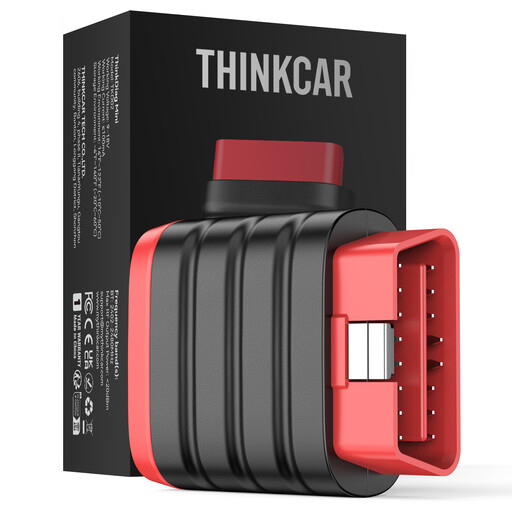
Core Function Analysis The ThinkDiag Mini is an extremely compact Bluetooth diagnostic adapter that focuses on the core function of All-System Diagnostics. It is operated via the ThinkDiag+ app (iOS & Android) and offers lifetime free updates for its system diagnostic features.
Pros
Who It's For This device is ideal for beginners and DIY mechanics looking for an affordable and simple solution to perform comprehensive system diagnostics on various vehicles and to read and clear fault codes. It does not include advanced service reset functions.
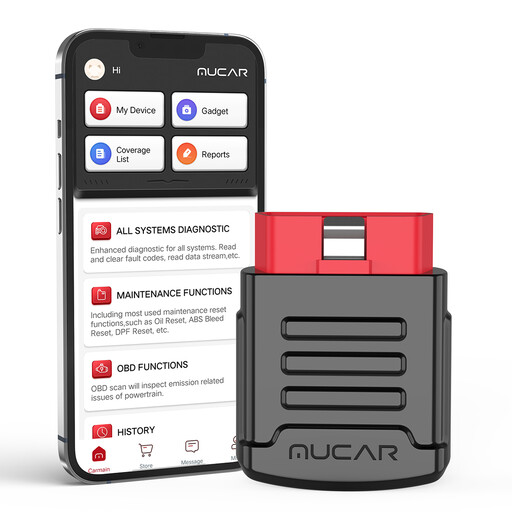
Core Function Analysis The MUCAR BT200 Pro combines lifetime free full-system diagnostics with an extensive package of reset functions. According to the manufacturer, it supports over 128 vehicle brands and offers a balanced mix of diagnostic and maintenance capabilities.
Pros
Who It's For The BT200 Pro is aimed at advanced DIY enthusiasts and small workshops who not only want to analyse faults but also wish to perform common maintenance tasks themselves. The cost model provides a great entry point into the world of service functions.
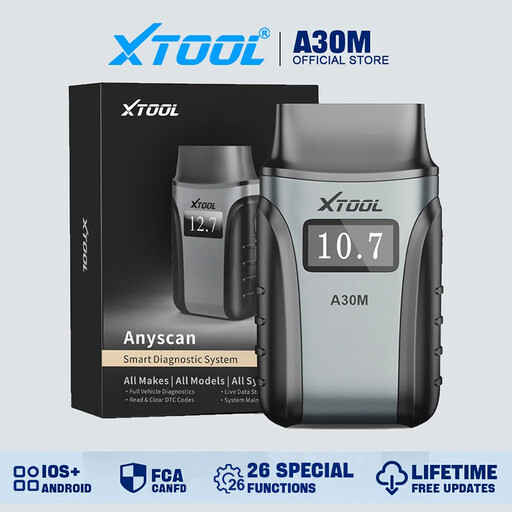
Core Function Analysis The XTOOL A30M is a powerful OBD2 scanner that stands out for its bidirectional control (active tests) and a large number of reset functions with lifetime updates. It also supports the CAN FD protocol and offers features for accessing secured gateways (e.g., on FCA vehicles).
Pros
Who It's For This device is designed for ambitious DIY mechanics and semi-professional users who need to perform in-depth diagnostics and active tests. The bidirectional control and lifetime updates for all functions make it a sound long-term investment.
The models presented cover a wide range of use cases. If your requirements are more specific or you want to compare other alternatives, you can find a wider selection of devices in our main category.
Discover our entire range of auto obd lesegerät here.
1. What is the difference between an OBD2 diagnosis and a full-system diagnosis? A standard OBD2 diagnosis is limited to the engine control unit and emission-related faults. In contrast, an All-System Diagnosis provides access to all control units installed in the vehicle, such as ABS, Airbag (SRS), transmission, air conditioning, and on-board electronics, thus offering a complete picture of the vehicle's health.
2. Can I reset the service with an OBD2 diagnostic scanner? Yes, many devices offer a Service Reset function. This allows you to reset the oil service indicator or the general maintenance interval display in the instrument cluster after maintenance has been performed. However, the scope of this function varies depending on the device model and vehicle manufacturer.
3. Does a Bluetooth diagnostic adapter work with any phone? A Bluetooth diagnostic adapter requires a compatible app. Most manufacturers offer apps for the common operating systems, iOS and Android. It is important to check the app's system requirements before purchasing to ensure it is compatible with your smartphone or tablet.