
Lieferung heute & morgen

Qualitätsgarantie

Willkommens-Angebote freischalten: KOSTENLOSE Lieferung | Bis zu 80 % RABATT | Kostenlose 30-Tage-JoyPlus-Testphase
App herunterladen
An illuminated warning light on your dashboard can be unsettling and often brings with it the fear of high repair shop bills. An OBD2 diagnostic tool promises a solution: read fault codes yourself, reset service intervals, and keep an eye on your vehicle's health. But the market is crowded and full of offers that seem attractive at first glance but can quickly turn out to be a bad investment. As your Joybuy Product Recommendation Officer, I'll help you recognise the common pitfalls and make an informed decision.
Before you invest, you should be aware of the most common marketing traps that often lead to frustration and unexpected costs.
To avoid a bad purchase, you should check three core aspects. These determine whether a device is suitable for your needs and offers long-term value.
The range of functions is the most important criterion. Think carefully about which tasks you want to perform.
Vehicle technology is constantly evolving. Regular software updates are therefore essential to be able to diagnose future models. Pay close attention to the licensing model. Devices with lifetime updates are often the more economical choice, as there are no recurring costs for software maintenance.
Check the compatibility with your vehicles before purchasing. Broad brand coverage is important, but support for modern communication protocols is crucial for future-proofing. Look for the explicit mention of CAN FD and DoIP if you work on newer vehicles. For models from Fiat, Chrysler, Jeep, or Alfa Romeo from around 2018 onwards, a device with FCA AutoAuth support is necessary to gain full diagnostic access.
Here are some recommendations tailored to the needs of different user profiles that avoid the pitfalls mentioned above.
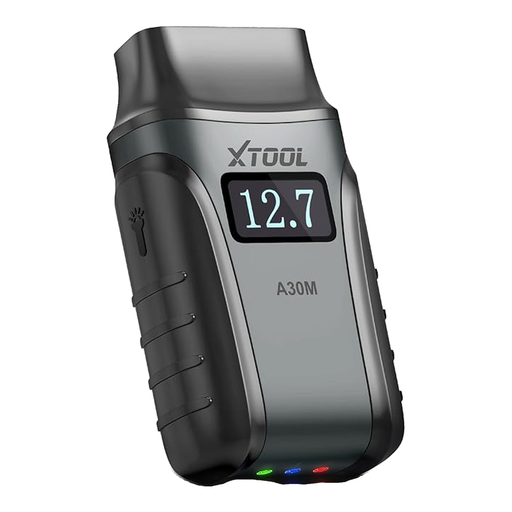
Why This Fits Their Persona: Ideal for mechanics who want to do more than just read fault codes. This compact OBD2 Bluetooth scanner adapter turns a smartphone into a powerful tool. It offers all-system access, numerous service resets, and even bi-directional control for active tests.
Thanks to lifetime free updates, there are no hidden subscription costs. Its functionality goes far beyond simple code readers, and support for CAN FD and FCA AutoAuth ensures broad compatibility.
Comprehensive all-system diagnostics and over 26 service functions. Bi-directional control at this price point is a clear advantage. Wireless connection for maximum flexibility.
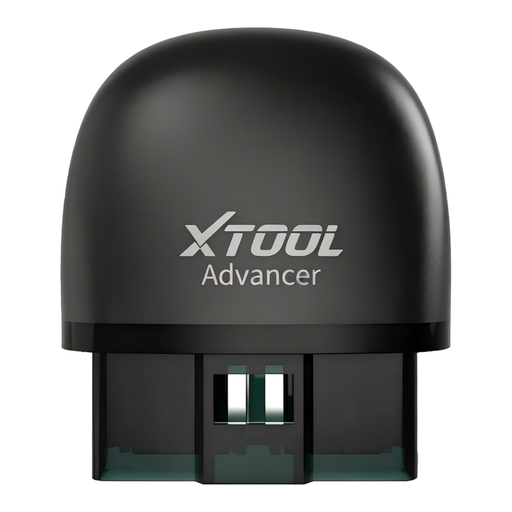
Why This Fits Their Persona: Perfect for drivers looking for a simple and affordable solution to understand fault codes, clear the check engine light, and perform basic maintenance like an oil reset themselves, without getting locked into expensive subscriptions.
This device offers lifetime free updates for all functions. It's not limited to the engine; it provides all-system diagnostics and includes an oil reset—all without any subscription trap.
Extremely good value for money. It offers full system diagnostics and a battery test function, which is uncommon in this price range. Easy to use via a smartphone app.
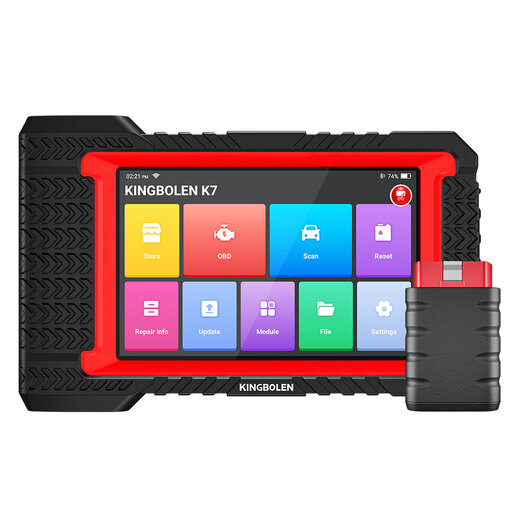
Why This Fits Their Persona: For small workshops or highly ambitious home mechanics who need an all-in-one device with a tablet. It not only covers in-depth diagnostics and active tests but also offers advanced functions like ECU coding for adaptations and retrofits.
The K7 comes with lifetime free updates, a rarity for devices with this level of functionality, making operating costs predictable. Its broad vehicle coverage, including FCA AutoAuth, prevents compatibility issues.
Offers online and offline ECU coding, over 28 service functions, and bi-directional control. The rugged tablet with Android 10 and a Bluetooth VCI enables professional, cable-free work.
We've compiled a complete, up-to-date list of products that fully meet these strict selection criteria and UK/EU regulations.
1. What is the difference between a simple OBD2 fault code reader and an all-system diagnostic tool? A simple fault code reader typically only accesses the engine control unit (ECU) to read emission-related faults and clear the check engine light. An all-system car diagnostic tool can communicate with all control units installed in the vehicle, including ABS, airbag (SRS), transmission, climate control, body modules, and more. This allows for comprehensive fault diagnosis and is a prerequisite for most service functions.
2. Do I need a diagnostic tool with CAN FD or DoIP for my vehicle? That depends on the age and manufacturer of your vehicle. CAN FD (Flexible Data-Rate) is a faster protocol used mainly in newer vehicles from General Motors (from 2020) and Ford. DoIP (Diagnostics over Internet Protocol) is used for high-speed diagnostics in brands like BMW (F/G models), Volvo (from 2018), as well as Jaguar and Land Rover (from 2017). If you work on such modern vehicles, support for these protocols is essential for reliable diagnostics.
3. How do lifetime free updates work and what should I look out for? Devices with lifetime free updates allow you to keep the diagnostic tool's software up-to-date at no extra cost. The updates are usually downloaded directly to the device via a Wi-Fi connection. This ensures that you can use the tool on future vehicle models and access new functions without an expensive annual subscription. Make sure the manufacturer explicitly guarantees this service without any time limit.