
Lieferung heute & morgen

Qualitätsgarantie

Willkommens-Angebote freischalten: KOSTENLOSE Lieferung | Bis zu 80 % RABATT | Kostenlose 30-Tage-JoyPlus-Testphase
App herunterladen
As a Joybuy Product Recommendation Officer, I see my role as providing you with clear, practical guidance through the product jungle. An odor-proof diaper pail is high on the shopping list for many expecting parents. However, the market is filled with models whose true costs and weaknesses often only become apparent in daily use. This guide will help you identify the crucial features and avoid making the wrong purchase.
Before we turn to the solutions, it's important to understand the typical problems that can lead to frustration and unnecessary expenses.
To avoid these pitfalls, you should base your choice on objective criteria. Pay attention to the following three points to make an informed decision.
The effectiveness of a diaper pail depends heavily on its closure and sealing system. An odor-proof diaper pail needs more than just a lid. Look for models with:
A crucial factor for long-term operating costs is the choice of trash bag. A diaper pail for standard trash bags offers maximum flexibility and cost control.
The size and material of the pail should suit your household.
Here are some options tailored to the different requirements of families.
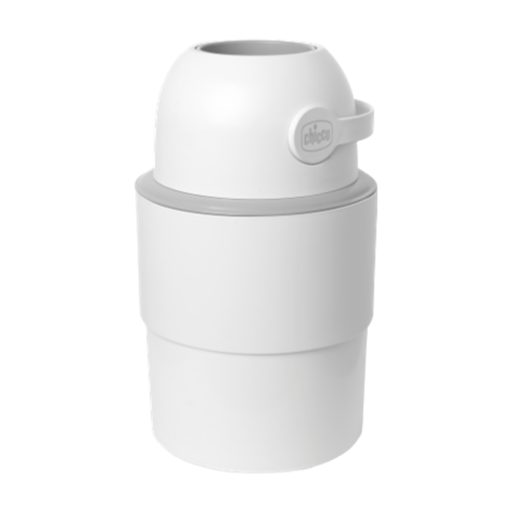
Why it's a match: Ideal for parents seeking effective odor control without ongoing costs. Its compatibility with standard trash bags and construction from recycled material meet the needs of price- and eco-conscious families.
This model works with standard trash bags, making expensive refill cassettes obsolete. This significantly lowers operating costs.
The patented Odour Off System with special seals reliably locks in odors. Made from 50% recycled plastic.
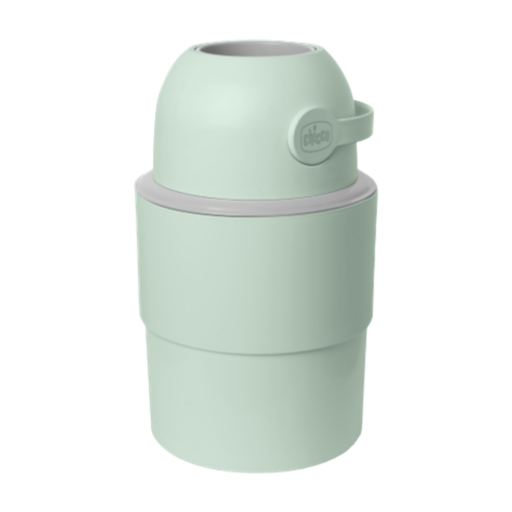
Why it's a match: Perfect for families who prefer products with a long lifespan. The conversion feature makes this pail an investment that remains useful long after the diapering years are over.
With the separately available "Second Life" lid, the diaper pail can be converted into a regular household trash can. This prevents waste and extends its useful life.
The telescopic function makes the pail space-saving for transport and storage. It offers all the benefits of the Odour-Off system and promotes sustainable use.
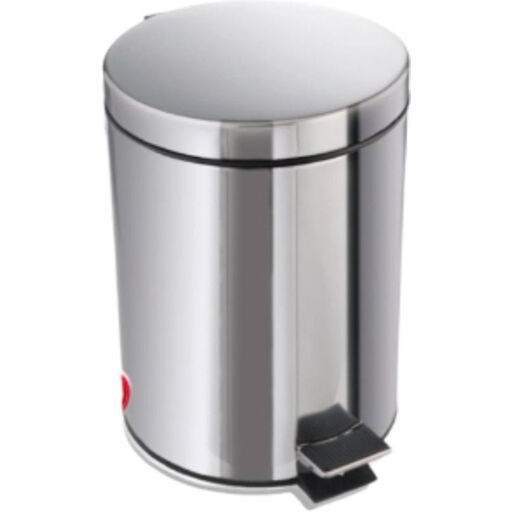
Why it's a match: A simple, low-cost solution for small apartments, the guest bathroom, or as a secondary pail. Ideal for when only a few diapers are used per day and they are disposed of frequently.
This model forgoes complex mechanisms. It's a simple yet functional pedal bin that requires no special handling and avoids over-investment.
Extremely compact size (3 liters) and very low initial cost. The removable inner bucket makes cleaning and changing the bag easy.
We have compiled a complete, up-to-date list of products that fully meet these strict selection criteria and German safety regulations.
This depends on the capacity of the pail and the number of diapers. As a rule of thumb, empty a diaper pail every 2-4 days, even if it's not completely full. This prevents the growth of bacteria and strong odor buildup, even with the best sealing systems.
Yes, models explicitly designed as a diaper pail for standard trash bags work very well. Their odor protection is based on the mechanical closure and seals of the pail itself, not on scented or multi-layered special films. Using standard bags does not compromise their function and is the most cost-effective method.
Regular cleaning is essential. Empty the pail and wash it with warm water and a mild, neutral detergent. Pay special attention to seals and moving parts. Let the pail air dry completely before inserting a new bag. Occasionally wiping it down with a vinegar-water solution can also help neutralize stubborn odors.