
Lieferung heute & morgen

Qualitätsgarantie

Willkommens-Angebote freischalten: KOSTENLOSE Lieferung | Bis zu 80 % RABATT | Kostenlose 30-Tage-JoyPlus-Testphase
App herunterladen
Daily facial cleansing is the foundation of any skincare routine. However, removing stubborn makeup, sunscreen, and daily buildup can be harsh on the skin, especially if it's sensitive or dry. Traditional cleansers can compromise the skin barrier, leading to tightness. A cleansing oil offers a gentle yet thorough alternative. It works on the principle of "like dissolves like," effectively removing oil-based impurities without stripping the skin of its natural moisture. This guide will help you understand how oil cleansers work and choose a product tailored to your skin's specific needs.
Choosing the right cleansing oil can be a challenge given the vast number of options. The following criteria will help you make an informed decision.
The foundation of any cleansing oil is its blend of oils and active ingredients. The composition determines whether a product is suitable for your skin type.
A crucial quality marker of a good cleansing oil is its ability to emulsify. This means that when it comes into contact with water, the oil transforms into a milky emulsion that rinses off easily and without a trace. Products that emulsify poorly can leave an oily film on the skin, which can clog pores and reduce the effectiveness of subsequent skincare products. A good emulsification ensures a clean feeling without any rubbing.
Many oil cleansers, especially Korean cleansing oils, are designed as the first step in the K-Beauty Double Cleansing method. This two-step process is particularly effective:
This method ensures an exceptionally thorough cleanse that optimally prepares the skin for the following skincare steps.
Based on their formulations and specific use cases, we have compiled a selection of cleansing oils that address different skin needs.
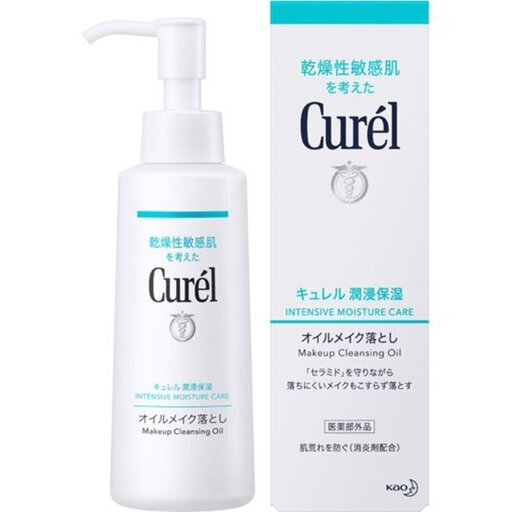
What Makes It Special: This cleansing oil was specifically developed for the needs of dry and sensitive skin. The formulation aims to protect the skin's own ceramides, which are essential for an intact skin barrier. According to the manufacturer, it removes even stubborn makeup without requiring harsh rubbing. The formula contains the anti-inflammatory active ingredient Dipotassium Glycyrrhizate, which is intended to prevent skin roughness.
Benefits:
Who It's For: Ideal for individuals with dry skin and sensitive skin who are looking for an oil-based makeup remover that respects and protects the skin barrier.
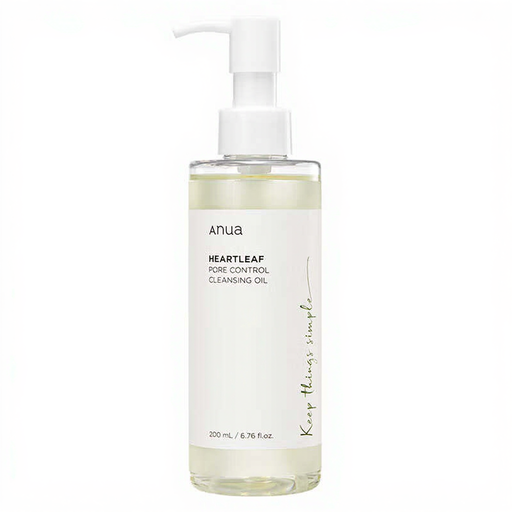
What Makes It Special: This Korean cleansing oil harnesses the properties of heartleaf extract to clarify and soothe the skin. The lightweight oil blend is classified as non-comedogenic, meaning it won't clog pores. It was developed to effectively remove makeup, sebum, and blackheads without leaving a greasy film. The emulsification process is activated upon contact with water, thoroughly dissolving impurities.
Benefits:
Who It's For: A great choice for those with blemish-prone, oily, or combination skin who are looking for a deep pore cleanse without drying out the skin.

What Makes It Special: This cleansing oil from Beauty of Joseon combines a base of 50% soybean oil with 0.1% ginseng seed oil. It uses a micellar cleansing technology where oil and water particles act like a magnet to attract and remove makeup and impurities while hydrating the skin. The soap-free formula is known for its gentle yet thorough cleansing action.
Benefits:
Who It's For: Suitable for all skin types, especially for users who prefer a nourishing cleanse as part of their K-Beauty Double Cleansing routine and value traditional Korean ingredients.
Our selection covers specific needs, but the market offers an even greater variety. If you are looking for other formulations or products for different skin types, you can find additional options in our comprehensive beauty cleansing oil category.
1. Is cleansing oil suitable for oily skin? Yes, cleansing oil is also very suitable for oily and acne-prone skin. The "like dissolves like" principle means that the oil in the cleanser can effectively dissolve excess sebum and impurities trapped in the pores. A lightweight, non-comedogenic cleansing oil cleanses thoroughly without drying out the skin, which in turn can counteract excessive sebum production.
2. Do I need to use a second cleanser after a cleansing oil? This is the core of the double cleansing method. The oil cleanser removes oil-based impurities. A subsequent water-based cleanser (e.g., foam or gel) removes water-soluble residues and ensures the skin is completely clean and prepared for the following skincare steps. For those who wear little to no makeup, a well-emulsifying oil cleanser may be sufficient on its own.
3. What is the difference between a facial cleansing oil and a pure makeup remover oil? A facial cleansing oil is specifically formulated to emulsify with water and rinse off completely. It is designed as a standalone cleansing step. A pure oil (like coconut or olive oil), which is sometimes used as a makeup remover, does not emulsify and leaves a heavy film that must be removed with a second cleanser. However, modern makeup remover oils are now mostly emulsifying formulations as well.