
Lieferung heute & morgen

Qualitätsgarantie

Willkommens-Angebote freischalten: KOSTENLOSE Lieferung | Bis zu 80 % RABATT | Kostenlose 30-Tage-JoyPlus-Testphase
App herunterladen
The search for the right on-ear headphones can quickly become overwhelming. Manufacturers advertise long battery life, crystal-clear sound, and all-day comfort. However, these promises often turn out to be marketing traps, leading to an unsatisfactory listening experience and unnecessary expense. As your Joybuy Product Recommendation Officer, I'll help you identify the crucial features and make an informed choice that's perfectly tailored to your needs.
Before we dive into the technical details, it's important to know the most common pitfalls that often only become apparent after the purchase.
To avoid these traps, you should focus on a few critical technical features. These are the primary determinants of your headphones' quality and everyday usability.
The choice of connection technology is fundamental and depends on your usage habits.
The ability to block out ambient noise is a key purchasing criterion for many.
If you plan to use the headphones for professional or personal calls, the microphone quality is crucial. Models advertised as a headset for a home office should have dedicated noise cancellation for the microphone. Technologies like beamforming microphones or an adjustable boom mic ensure your voice is transmitted clearly and distinctly while background noise is effectively reduced.
Based on these objective criteria, we have identified a few models that are particularly well-suited for specific user groups.
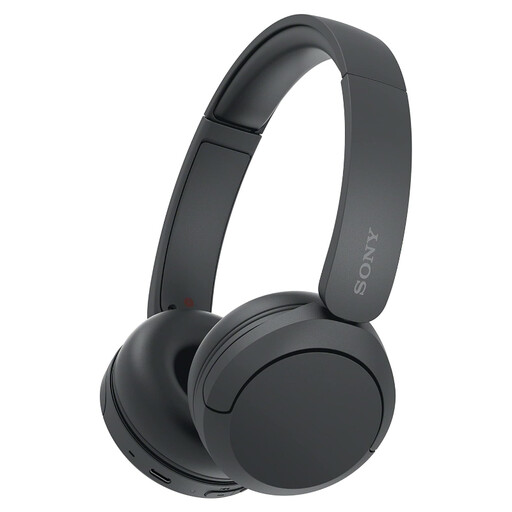
Why This Fits Their Persona: Ideal for long days on the move. The lightweight design and soft ear pads provide high comfort even during hours of use, while the long battery life eliminates worries about running out of power.
Avoids the battery and comfort trap with a proven long battery life of up to 50 hours (manufacturer's claim) and a lightweight construction of only 147g.
Multipoint connection for seamless switching between two devices; sound customisation via the Sony | Sound Connect app.
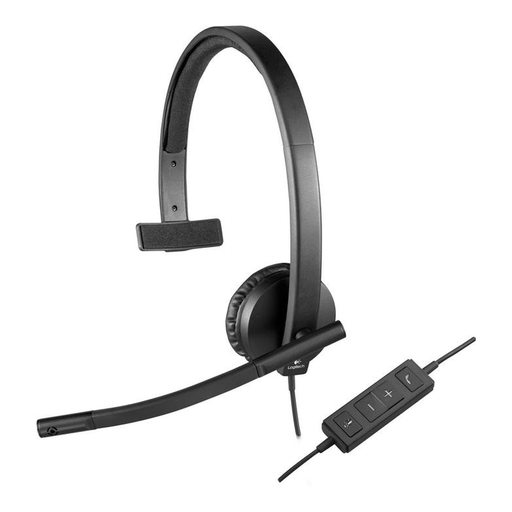
Why This Fits Their Persona: Designed for professional communication. The mono design leaves one ear open to ambient surroundings, while certified compatibility ensures smooth operation with common office software.
Solves the microphone trap with a noise-cancelling boom mic and a practical in-line LED indicator that clearly signals mute status.
Certified for popular communication platforms; replaceable ear pads and a metal-reinforced headband for durability.
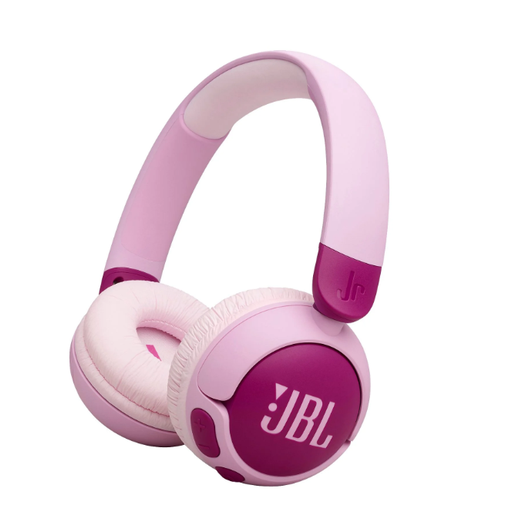
Why This Fits Their Persona: Specifically designed for the needs of children. The robust construction and simple controls are child-friendly, while wireless freedom prevents tangled cables.
Addresses the biggest concern for parents: hearing protection. The volume is limited by the manufacturer to a maximum of 85 dB (JBL Safe Sound) to protect children's sensitive hearing.
Built-in volume limit; long battery life of up to 50 hours (manufacturer's claim); additional parental controls via the JBL Headphones App.
We have compiled a complete, up-to-date list of products that fully meet these strict selection criteria and safety standards.
How long do on-ear headphones last on average? The lifespan of on-ear headphones depends heavily on build quality, frequency of use, and care. A common weak point is the ear pads, which can show signs of wear after 1-2 years of daily use. Models with replaceable pads, like the Logitech H570e, offer an advantage here. For wireless headphones, battery degradation is also a factor that affects usability over the years. With proper care, however, a high-quality model can easily last 3 to 5 years or longer.
Is Active Noise Cancelling (ANC) always necessary? No, ANC is not necessary for every user or situation. The technology is most effective at reducing low-frequency, constant noises, such as those found on airplanes, trains, or in open-plan offices. In an already quiet environment, ANC offers little benefit and consumes extra battery power. For use at home or in quiet offices, headphones with good passive noise isolation can often be perfectly sufficient.
Can I connect any Bluetooth headphones to my TV? That depends on your television. Most modern smart TVs have a built-in Bluetooth function that allows for a direct connection. For older TVs without Bluetooth, you may need an external Bluetooth transmitter that connects to the TV's audio output. Check your TV's specifications before buying. Another point to consider is latency (delay), which can occur during audio signal transmission and lead to asynchronicity between the picture and sound. For an optimal movie experience, headphones with special low-latency codecs are advantageous.