
Lieferung heute & morgen

Qualitätsgarantie
App herunterladen
Kategorien
An outdoor light with a motion sensor serves three primary purposes: enhancing security, increasing comfort, and improving orientation in the dark. The automatic activation of the light upon detecting movement deters intruders, illuminates pathways to the front door or garage, and prevents tripping hazards. The choice of the right model depends on specific technical requirements and the intended location.
The decision to purchase an outdoor light with a motion sensor should be based on an analysis of objective criteria. The following parameters are crucial for functionality and durability.
The type of power supply significantly determines the installation effort and the flexibility of the light.
Two values are central to assessing light quality:
The motion sensor is the core component of the light. Its performance is defined by two parameters:
A long range is advantageous for long driveways, while a wide detection angle may be more important for entrance areas.
Since the lights are exposed to the elements, adequate weather resistance is essential. The IP rating provides information about the degree of protection. It consists of two digits:
The following ratings are common for outdoor use:
Based on an analysis of technical specifications and functional features, we present three models with different strengths.
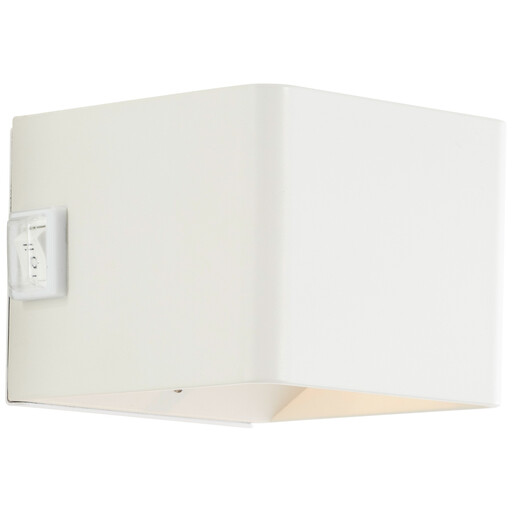
Why we recommend this product: The Brilliant Iseo LED wall light stands out for its exceptional flexibility. Thanks to its integrated, USB-rechargeable battery, it is completely independent of mains power. A special feature is the built-in magnet, which allows for quick and effortless mounting on metallic surfaces. With 300 lumens and a warm white light colour of 3000 K, it creates a pleasant atmosphere.
Pros:
Best suited for: Users looking for a hassle-free, portable lighting solution for balconies, patios, or camping where a fixed power installation is unavailable or not desired.
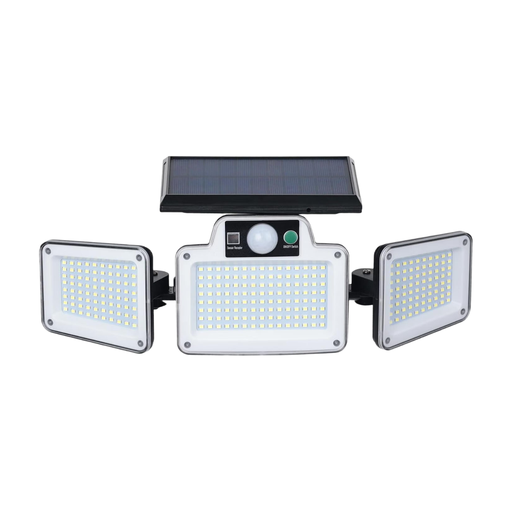
Why we recommend this product: This solar outdoor light from Grifema combines energy self-sufficiency with a high degree of versatility. The three light heads are individually adjustable, enabling wide and targeted illumination. The solar panel is connected to the light via a 4.7-metre cable, allowing it to be optimally positioned for sun exposure while the light remains in the shade. With 280 LEDs, three operating modes, and a remote control, it is packed with functionality.
Pros:
Best suited for: Homeowners who need an energy-efficient and low-maintenance garden lamp with a motion sensor for driveways, gardens, or garages without direct access to a power source.
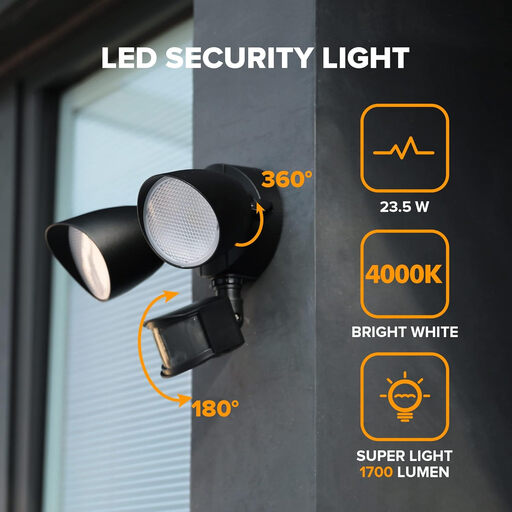
Why we recommend this product: The LUTEC LED outdoor floodlight with motion sensor is designed for maximum brightness and reliability. With a light output of 1700 lumens at a neutral white colour temperature of 4000 K, it effectively illuminates even large areas like yards or long driveways. The mains connection guarantees constant operational readiness. The two light heads can be swivelled 360°, allowing for precise light alignment. The robust housing made of aluminium and polycarbonate ensures a long service life.
Pros:
Best suited for: Users with high-security needs who require powerful and permanently operational lighting for dark outdoor areas, driveways, or commercially used properties.
If the featured models do not exactly meet your requirements or if you are looking for specific designs, a broader selection often provides the right solution. Different materials, shapes, and technical configurations may be relevant for your project.
Discover more models in our Outdoor Light Sensor category.
1. At what height should an outdoor light with a motion sensor be installed? A mounting height of about 2 to 2.5 metres above the ground is generally optimal. At this height, the light is protected from easy tampering, and the sensor can effectively cover a wide area without being constantly triggered by small movements on the ground (e.g., from small animals).
2. What does the IP rating mean for outdoor lights? The IP rating (Ingress Protection) classifies the degree of protection of an enclosure against the ingress of foreign objects (first digit) and water (second digit). For outdoor lights, IP44 (protection against splashing water) is a common minimum standard for sheltered areas. IP65 (protection against water jets) or higher is recommended for lights that are exposed to unprotected rain and weather.
3. Can a motion sensor be triggered by animals? Yes, conventional PIR (Passive Infrared) sensors react to moving heat sources and can therefore be triggered by larger animals such as cats or dogs. Some models offer adjustable sensitivity or a "pet immunity" feature to reduce false triggers. The mounting height and alignment of the sensor also play an important role.